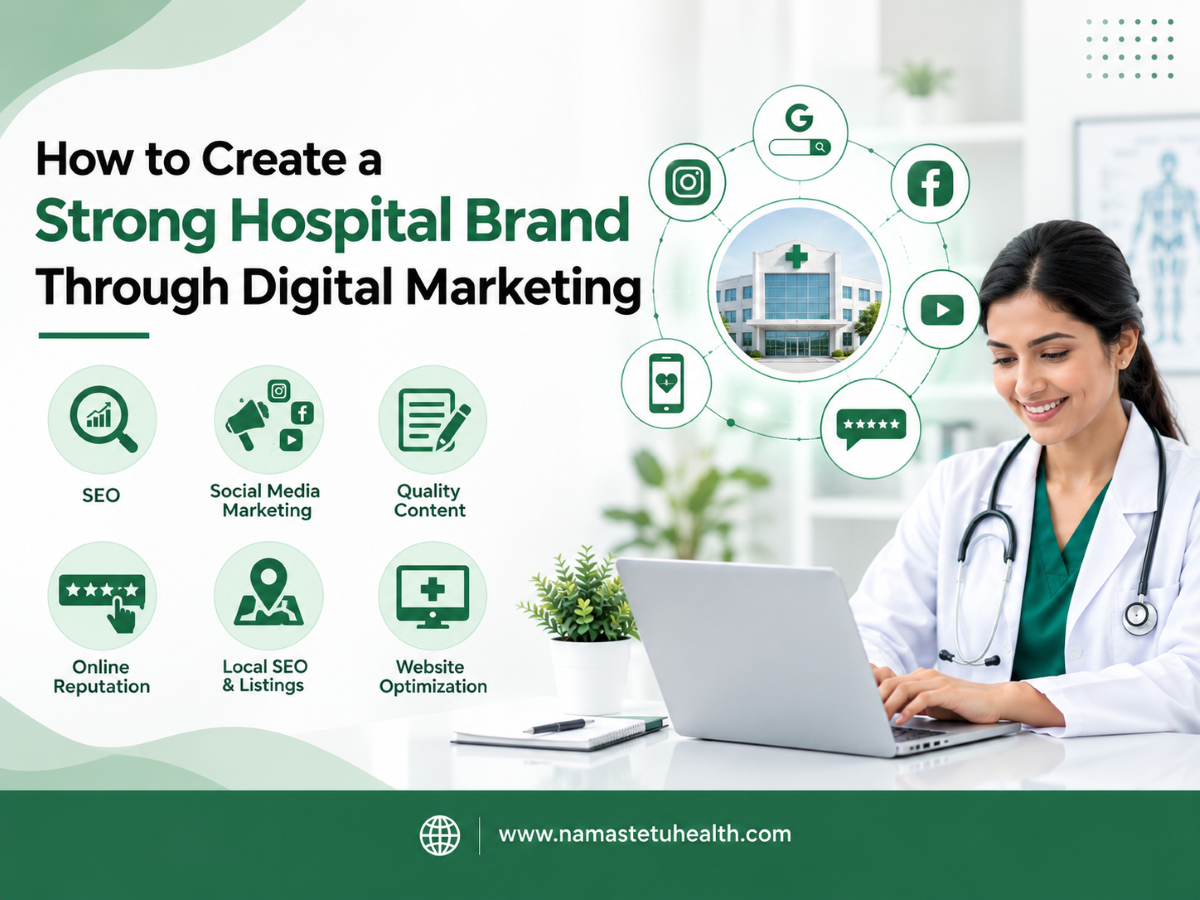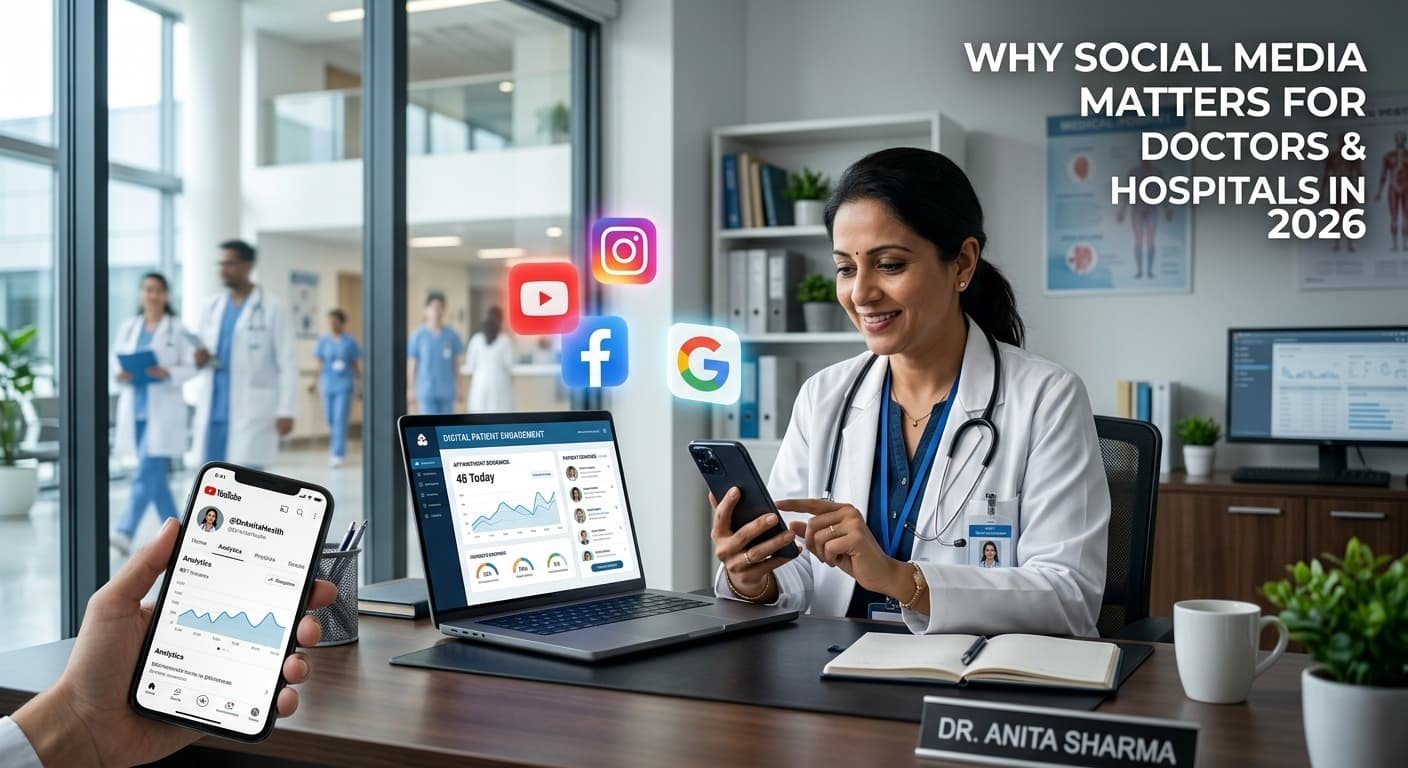
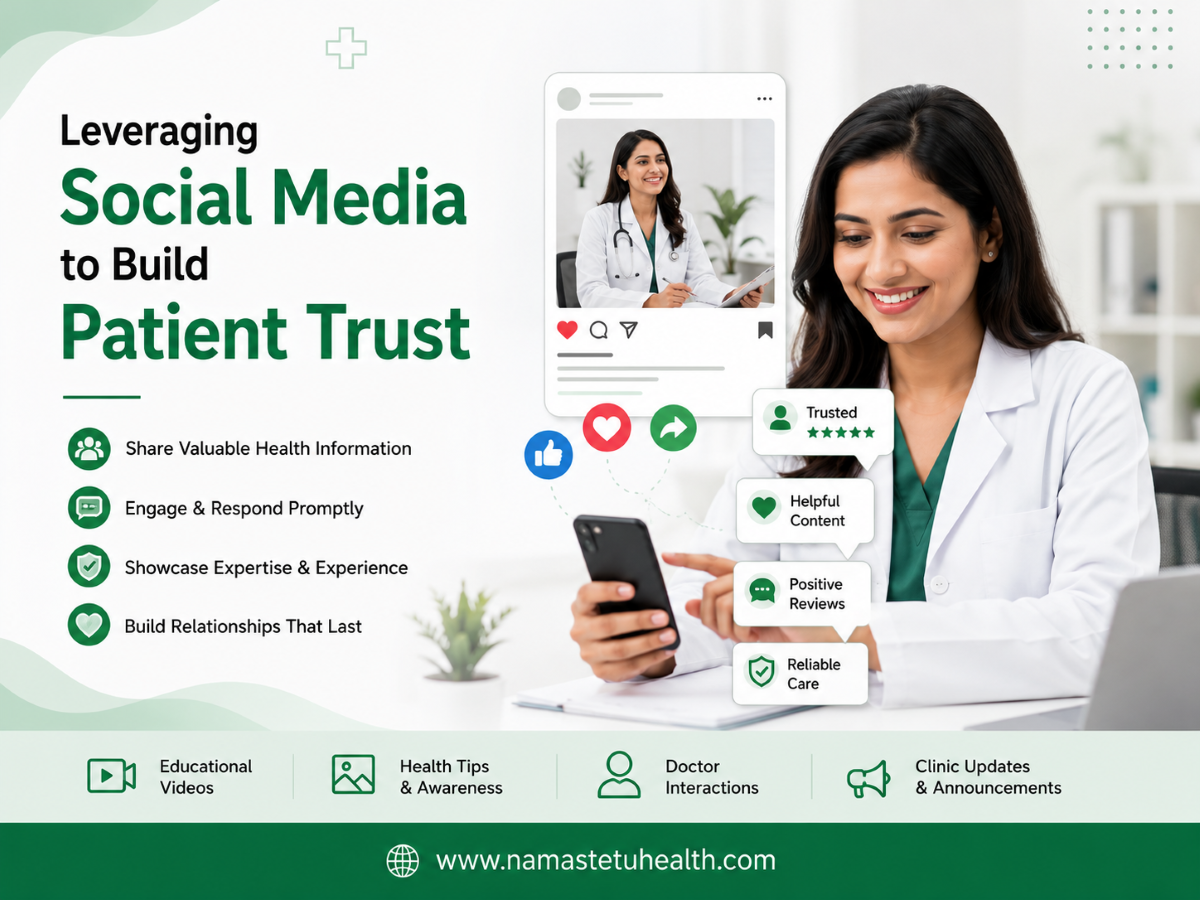
A patient scrolling through Instagram late at night is far more likely to remember a doctor’s face than a doctor’s website. That single habit is why so many healthcare providers are now leveraging social media to build patient trust long before a patient ever books an appointment or walks through the clinic door.
Namastetu Health helps hospitals, clinics, and individual doctors turn social platforms into something more useful than a marketing checkbox. This guide walks through what actually works, what patients respond to, and how to measure whether any of it is paying off.
Why Patients Trust a Face Before a Facility
People do not fully trust institutions the way they used to. They trust people, and increasingly, they meet those people first through a short video or a photo on a feed, not a printed brochure or a hospital sign.
A doctor who posts a simple explanation of a common condition, or shares a quick behind-the-scenes moment from the clinic, starts to feel familiar. That familiarity does most of the emotional work a patient needs before booking a first visit.
This is exactly why leveraging social media to build patient trust works so differently from traditional advertising. It does not shout for attention. It quietly builds recognition, visit after visit, scroll after scroll, until the provider feels less like a stranger.
Traditional healthcare marketing often relied on one-way messages, a billboard, a pamphlet, or a radio spot that patients simply absorbed without any real interaction. Social media flips that entirely, since patients can comment, ask questions, and watch a doctor respond in real time.
That back-and-forth builds a kind of trust that a printed ad simply cannot create. A patient who sees a doctor patiently answering a stranger’s question in the comments often feels more confident booking with that same doctor themselves.
What Patients Actually Want to See
Many clinics assume patients want polished, corporate-style posts. In practice, patients respond far more to content that feels honest, useful, and a little human.
A few formats tend to perform consistently well:
- Short videos answering one common patient question at a time.
- Quick clinic tours, showing the space patients will actually visit.
- Simple graphics explaining a symptom, condition, or treatment step.
- Real patient stories, shared with full permission and care.
- A doctor’s personal note on why they chose their specialty.
Clinics offering strong Social Media Marketing For Doctors usually build a steady mix of these formats, rather than posting only promotional offers, which tend to get ignored far more often.
Choosing the Right Platform for the Right Audience
Not every platform suits every kind of practice. A pediatric clinic and a cardiology hospital often need very different approaches, since their patients search, scroll, and trust differently.
| Platform | Best Fit For | Why It Works |
| Clinics, dermatology, dental | Visual trust building through photos and reels | |
| Family practices, hospitals | Reaches older patients and local community groups | |
| YouTube | Complex procedures, surgeries | Longer videos build deeper understanding and trust |
| Hospitals, specialists | Reaches referring doctors and professional networks |
A hospital investing in solid Social Media Marketing For Hospitals usually spreads its content across two or three platforms at most, rather than trying to be everywhere at once with thin, inconsistent posting.
Turning Followers Into Actual Patients
Likes and followers feel good, but they do not pay the bills. The real value shows up when social media content quietly nudges a follower toward booking an actual appointment.
A few practical steps help make that connection:
- Adding a clear, simple booking link in every profile bio.
- Replying to comments and messages within a reasonable time.
- Linking relevant posts back to detailed pages on the clinic website.
- Running occasional, honest promotions without sounding pushy.
Providers working with a capable Healthcare Social Media Agency usually track this exact path, from first view to booked visit, since that connection is what actually justifies the time spent posting.
Building Trust the Right Way, Not the Loud Way
Because health information carries real weight, Google and patients alike hold healthcare content to a higher standard. This idea often falls under Experience, Expertise, Authoritativeness, and Trustworthiness, or E-E-A-T, and it applies to social content just as much as website content.
Ways to keep social media content trustworthy include:
- Crediting posts to a real, named doctor whenever possible.
- Avoiding exaggerated claims about treatments or results.
- Correcting mistakes openly rather than quietly deleting posts.
- Keeping medical information accurate and up to date.
This careful approach is at the center of good Social Media Marketing For Healthcare, where short-term attention matters far less than long-term credibility.
A Simple, Repeatable Posting Rhythm
Clinics often start social media with excitement, post daily for two weeks, then quietly stop. A steady, realistic rhythm works better than an ambitious one that burns out fast.
A simple starting rhythm might look like:
- Two educational posts per week, answering real patient questions.
- One behind-the-scenes or team post per week, building familiarity.
- One patient story or testimonial every two weeks, with permission.
- Quick replies to comments and messages, checked daily.
This kind of steady Healthcare Social Media Marketing in Indore approach tends to outperform bursts of activity, since patients notice consistency far more than volume.
How to Tell If It Is Actually Working
A clinic does not need complicated tools to check progress. A few simple numbers, reviewed monthly, tell most of the story.
- Engagement rate, comparing likes and comments against total followers.
- Profile visits leading to website clicks, showing real interest beyond a scroll.
- Direct messages or booking link clicks, showing intent to actually visit.
- Follower growth from local, relevant accounts, not random or unrelated ones.
When these numbers rise steadily, it is a strong sign that leveraging social media to build patient trust is doing more than just filling a feed, it is quietly filling the appointment book too.
Quick Checklist for Getting Started
- Pick two or three platforms that fit your patients, not every platform.
- Add a clear booking link to every social media bio.
- Post a steady mix of education, behind-the-scenes, and real stories.
- Reply to comments and messages within a day or two.
- Keep every piece of medical content accurate and current.
- Review engagement and booking numbers once a month.
Frequently Asked Questions
1. Which social media platform works best for healthcare providers?
It depends on the specialty and audience. Instagram and Facebook tend to suit clinics and family practices, while YouTube and LinkedIn often work better for hospitals and specialists.
2. How often should a clinic post on social media?
Two to four posts a week, kept consistent over months, usually works better than daily posting that fades out after a few weeks.
3. Can social media really bring in new patients, not just followers?
Yes, when the content includes a clear next step, like a booking link or a simple call to action, followers do convert into actual appointments over time.
4. Is it safe to share real patient stories on social media?
Yes, as long as full written permission is obtained first and patient privacy is respected throughout, since trust here matters more than any single post.
5. Do doctors need to appear on camera themselves?
Not always, but content featuring a real doctor’s face tends to build trust noticeably faster than posts using only graphics or stock photography.
Conclusion
Patients decide who to trust long before they ever sit in a waiting room, and increasingly, that decision starts with a short video, a helpful post, or a familiar face on a screen. Clinics and hospitals genuinely leveraging social media to build patient trust are not chasing likes, they are quietly building the kind of familiarity that turns a scroll into a booked visit. Start small, stay consistent, and let that trust grow one honest post at a time.
Get in touch with Namastetu Health to build patient trust on social media or contact us for a free social media audit.