
Most patients no longer ask a neighbor for a doctor’s name. They open Google, search a symptom or a specialty, and pick from whatever shows up first. This shift is exactly why SEO strategies every healthcare provider relies on today look different from generic marketing advice written years ago. This guide walks through five practical strategies, explains why each one matters, and shows how any clinic or hospital can apply them without a technical background.
Namastetu Health builds these systems for practices that want steady, measurable patient growth instead of guesswork. Read on for a clear breakdown of what actually moves the needle in 2026.
How Patients Actually Choose a Doctor Today
Search behavior has changed the entire patient journey, and the numbers confirm it. Recent healthcare marketing research shows that around 77% of patients search online before booking any appointment, and roughly three in four check Google Maps or local listings first.
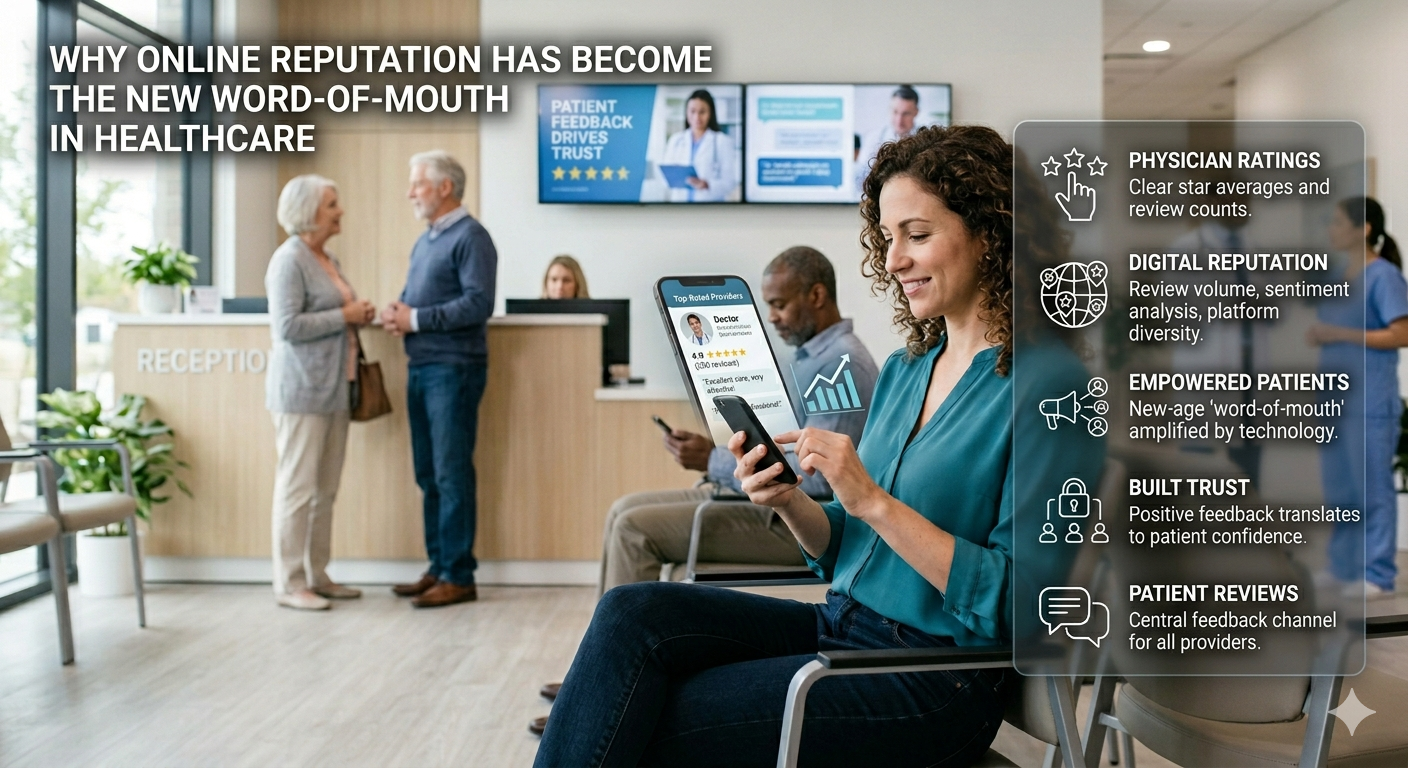
Reviews carry just as much weight in that decision. Multiple industry surveys report that over 80% of patients read online reviews before choosing a provider, and many say they trust those reviews as much as advice from a close friend or family member.
Put together, these two habits explain why a strong online presence has stopped being optional. A practice that ranks poorly or looks outdated online is often skipped before a single phone call is made.
Strategy 1: Get Your Google Business Profile Right
A Google Business Profile is usually the very first thing a patient sees, appearing in the map results before your website even loads. Getting this listing right is one of the fastest ways to improve local visibility, and it costs nothing to set up correctly.
A few essentials make the biggest difference here:
- Choose the exact specialty category, not a broad or generic one.
- Keep your clinic name, address, and phone number identical everywhere online.
- Upload real photos of the clinic, doctors, and waiting area.
- List every service offered, down to specific treatments and consultations.
- Post short updates about new services, camps, or seasonal health tips.
Agencies offering SEO services for healthcare providers typically start every project here, since this single listing often drives the largest share of new patient calls.
Why Local Visibility Anchors SEO Strategies Every Healthcare Provider Needs
Beyond the map listing, your actual website needs to send Google clear signals about where you practice and who you serve. This matters even more for providers with multiple branches or clinics across different neighborhoods.
The core building blocks of local SEO include:
- Consistent contact details: the same name, address, and phone number across your website, directories, and social pages.
- Dedicated location pages: a separate page for each area served, instead of one generic contact page.
- Directory listings: profiles on Practo, Justdial, and other relevant healthcare directories.
- Structured data: schema markup that tells Google exactly what type of medical business you run.
A practice working with a reputed healthcare seo agency in indore usually sees this layer built early, because it produces measurable ranking improvements faster than almost any other tactic.
Strategy 3: Write Content That Answers Real Patient Questions
Whether a patient is searching on Google or looking for answers online, good content should follow one simple rule: answer the patient’s question clearly and quickly.
For example, someone searching “Why does my child get frequent ear infections?” wants a simple answer to their question, not a long introduction or sales message.
Good patient-focused content should:
- Give the main answer in the first few lines.
- Use simple and easy-to-understand language.
- Avoid unnecessary medical or technical terms.
- Focus on the questions and concerns patients commonly have.
- End with one clear and useful takeaway.
- Include a simple call-to-action, such as encouraging the patient to schedule a visit when needed.
| Page Type | What It Does | Sample Topic |
| Symptom Guide | Helps people understand common symptoms and concerns | “5 Signs You Should See a Doctor” |
| Service Page | Helps patients understand available services and encourages them to book a visit | “Treatment Options for Common Health Concerns” |
| FAQ Page | Gives quick and clear answers to common patient questions | “When Should You See a Doctor for a Symptom?” |
| Treatment Guide | Explains common treatment options in simple language | “What Are the Common Treatment Options?” |
| First Visit Guide | Helps patients know what to expect before their visit | “What to Expect During Your First Visit” |
Strategy 4: Strengthen Trust Signals on Every Page
Health-related content faces tighter scrutiny from Google than most other industries, since inaccurate medical information can genuinely harm someone. This is where Experience, Expertise, Authoritativeness, and Trustworthiness, often shortened to E-E-A-T, becomes something practices cannot skip.
A few practical steps go a long way here:
- Publish complete doctor bios, including qualifications and years in practice.
- Request reviews consistently and respond to every one, good or bad.
- Reference credible medical sources whenever discussing symptoms or treatment.
- Keep hours, addresses, and emergency contact details fully up to date.
Independent studies have linked even a single-star increase in average rating to a noticeable rise in patient volume, which shows just how directly reputation connects to revenue. Any solid healthcare digital agency in indore will treat these trust signals as core ranking factors, not an afterthought.
Strategy 5: Fix the Technical Basics Behind the Scenes
None of the content or reviews matter much if the website itself is slow or clunky on a phone. Close to 60% of healthcare-related searches now happen on mobile, and a large share of visitors abandon a page that takes more than a few seconds to load.
A short list of technical priorities covers most of what matters:
- Mobile page load time kept under three seconds.
- A visible “Book Appointment” or “Call Now” button on every page.
- Secure HTTPS and a clean, uncluttered design.
- Simple navigation between services, doctors, and contact details.
Removing friction here is often the difference between a patient booking instantly and a patient closing the tab.
A Simple Way to Check Your Own Website
Instead of a rigid framework, try running your own site through three honest questions before making changes:
- Can a stranger find you? Search your specialty plus your city and see where you land.
- Would a stranger trust you? Look at your reviews, doctor bios, and photos as a first-time visitor would.
- Can a stranger book easily? Time how long it takes to go from your homepage to an actual appointment.
Weak answers to any of these three point directly to where your next SEO effort should go.
Quick Checklist Before You Start
- Verify and complete your Google Business Profile.
- Match your business name, address, and phone number everywhere.
- Publish content that answers real, specific patient questions.
- Add schema markup for your clinic, doctors, and services.
- Collect reviews consistently and reply to each one.
- Test your mobile site speed and fix slow pages.
- Keep doctor credentials and clinic details current.
- Review rankings and traffic monthly instead of once a year.
Frequently Asked Questions
1. How long does healthcare SEO usually take to show results?
Most practices see measurable movement within 3 to 6 months, depending on local competition and how consistently the work is done.
2. Should a clinic choose SEO or paid ads first?
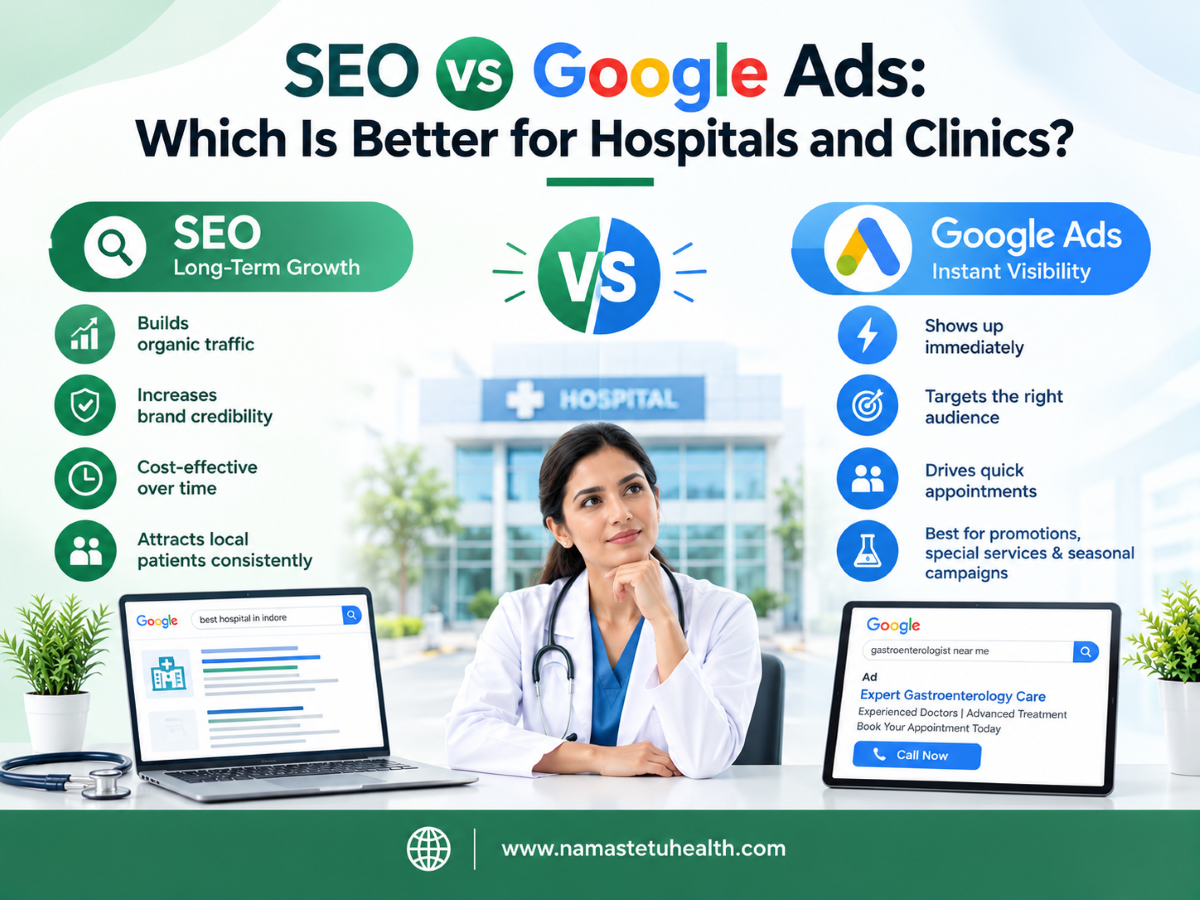
They work best together. Ads bring quick visibility while the SEO groundwork builds cheaper, longer-lasting traffic over time.
3. Why does E-E-A-T matter so much for medical websites?
Because health content can influence real decisions about a person’s wellbeing, Google holds it to stricter accuracy and credibility standards than most other topics.
4. Is there an ideal number of Google reviews for a clinic?
There is no fixed number, but practices with 50 or more recent, genuine reviews tend to see stronger visibility and more patient trust.
5. Can a small practice really outrank a large hospital online?
Yes, quite often. Focused local pages and an optimized Google Business Profile let smaller practices win neighborhood searches that large hospital sites tend to overlook.
Conclusion
A strong healthcare SEO strategy is not about chasing rankings or publishing content just for search engines. It is about making it easier for the right patients to find your practice, understand your expertise, trust your services, and take the next step.
From optimizing your Google Business Profile and creating useful patient-focused content to building trust and improving website performance, each part of your online presence plays a role in turning searches into real patient enquiries.
The key is consistency. Keep your business information accurate, publish content that genuinely helps patients, maintain your online reputation, and regularly improve the experience your website provides.
If you want to build a stronger online presence and attract more qualified patients, Namastetu Health can help you create a healthcare SEO strategy tailored to your practice and goals.
Ready to attract more patients? Contact Namastetu Health today.