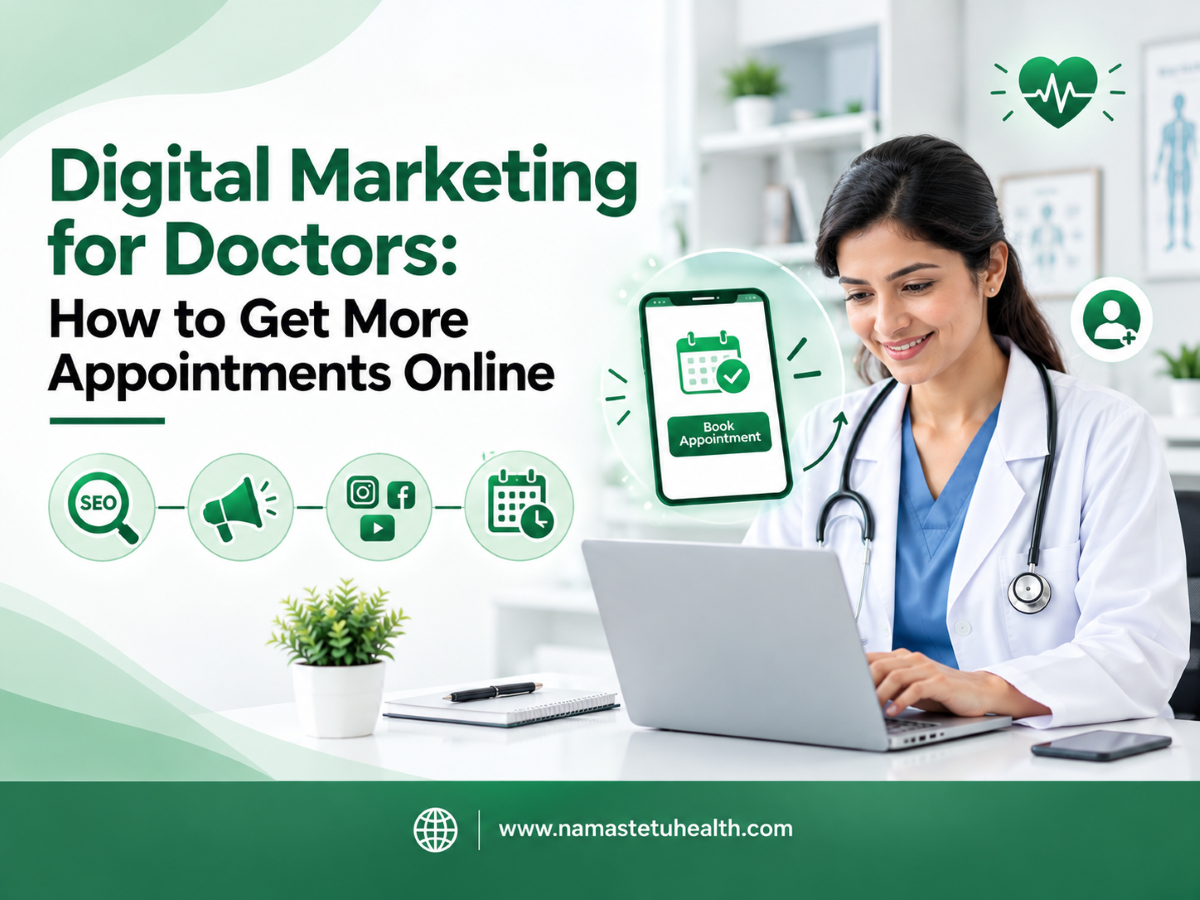

For a clinic, content marketing means answering the questions patients have at every stage of care in the doctor’s own simple, reassuring words. These answers can be shared through website pages, videos, and messages patients already use. When patients know what to expect before their first visit, they feel more confident and better prepared to follow medical advice. At Namastetu Health, we believe a healthcare digital marketing agency should start with the questions patients actually ask, helping clinics create useful content that builds trust rather than simply filling a publishing calendar.
What Is Content Marketing in Healthcare?
In healthcare, content marketing is the practice of publishing accurate, useful information, such as articles, short videos, and messages, that answers patient questions and builds trust before a visit. Its goal is an informed patient, not a sales pitch. Done well, the same pages also bring new patients when they search.
Start With the Questions Patients Already Ask
The best topics come from questions patients already ask, not from ideas brainstormed in a meeting. Keep one running list and rank each question by how often it repeats.
Good sources for that list include:
- Questions the front desk and nurses answer every day.
- Calls and WhatsApp messages from new patients.
- Google suggestions when you type a condition and your city.
- Comments in your reviews that mention confusion or worry.
- Questions patients ask at the end of a consultation.
Group similar questions into one topic, such as all knee pain questions, so one page answers them fully instead of five thin pages.
Match Content to the Stage of the Patient’s Decision
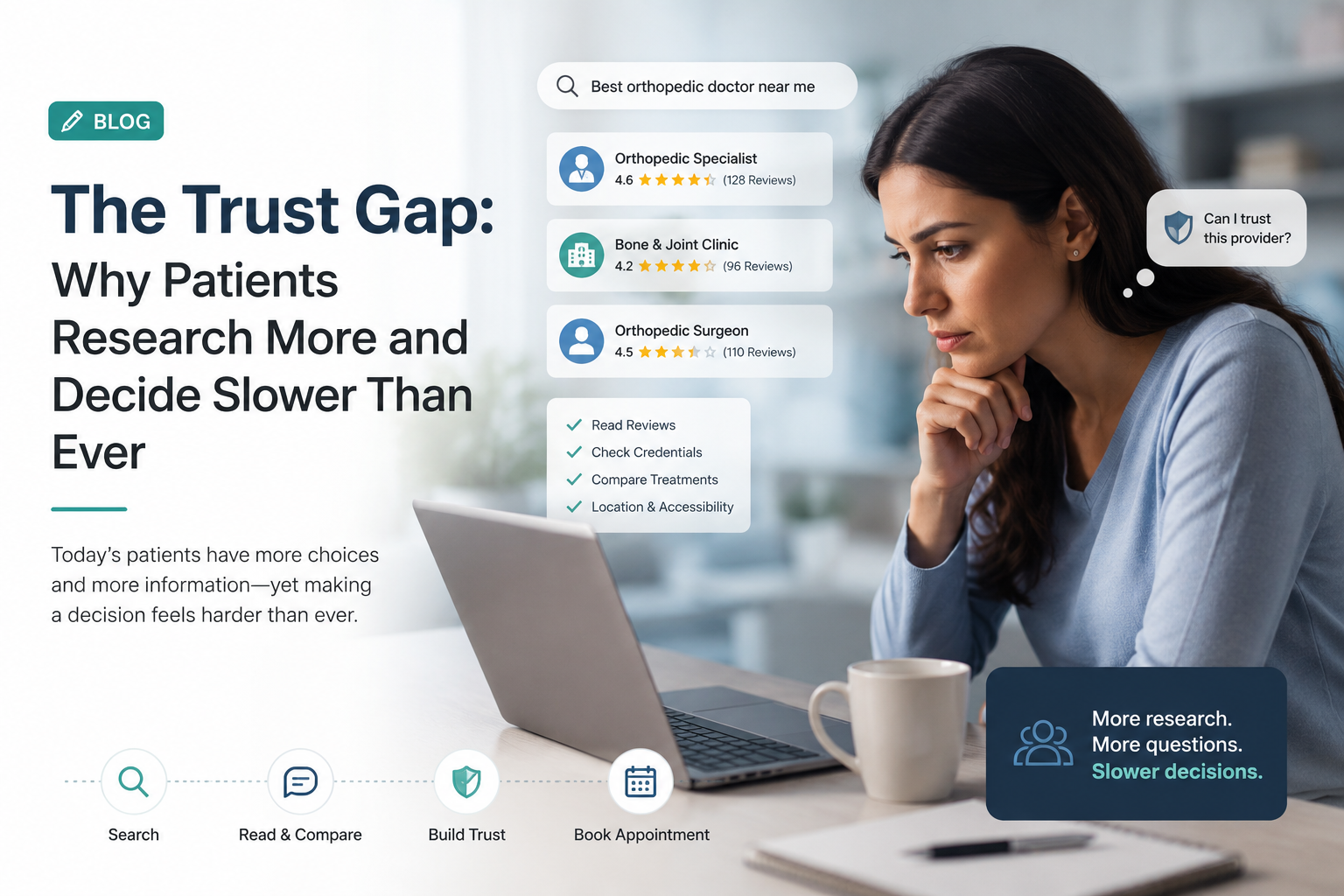
Patients ask different questions before, during, and after a decision, so each stage needs a different type of content. The table below shows what to publish at each stage.
| Stage | What the Patient Asks | Content That Helps | Next Step to Offer |
| Awareness | What is causing this? | Symptom explainer written by a doctor | Link to the treatment guide |
| Consideration | What are my options? | Treatment comparison and doctor profile | Link to the booking page |
| Decision | What happens at the visit? | First-visit walkthrough and preparation checklist | Call or book |
| After the visit | What do I do now? | Care instructions and follow-up reminders | Follow-up booking |
Link each stage to the next one, so a patient reading a symptom explainer can move to treatment options without searching again.
Content Marketing That Educates: Make Every Page Answer First
Educational pages should put the answer in the first two sentences and explain afterwards, because visitors decide within seconds whether a page helps. A direct answer is also easier for search tools to pick up.
- Use the patient’s own words in the heading, such as “Why does my knee hurt on stairs?”
- Explain each medical term once, in plain language.
- Keep paragraphs short, and end with when to see a doctor.
- Show the author’s name, qualification, and the date of the last update.
Content That Connects: Use the Doctor’s Voice
Content connects when patients can hear the doctor in it. A page that sounds like the person they will meet feels safer than a page that sounds like a brochure.
Write in the language patients speak at home where possible, since clear words matter more than formal ones. Simple ways to build the doctor’s voice into content include a short video where the doctor answers one patient question, a profile page that explains why the doctor chose the specialty, and an “ask the doctor” form that feeds the next set of topics. Follow-up messages with care tips, sent only to patients who agreed to receive them, keep the connection going after the visit.
Keep Medical Accuracy and Patient Trust Visible
Show who wrote or reviewed each page, when it was last updated, and where the facts come from. Patients and search engines both treat health information more seriously when the source is clear.
- Have a qualified doctor review every medical statement before publishing.
- Link to trusted medical bodies for facts, and update pages when guidance changes.
- Never diagnose through content, and always say when to seek care.
- Share patient stories only with written consent, and check your medical council’s advertising rules first.
Helping Patients Find the Content Through Search
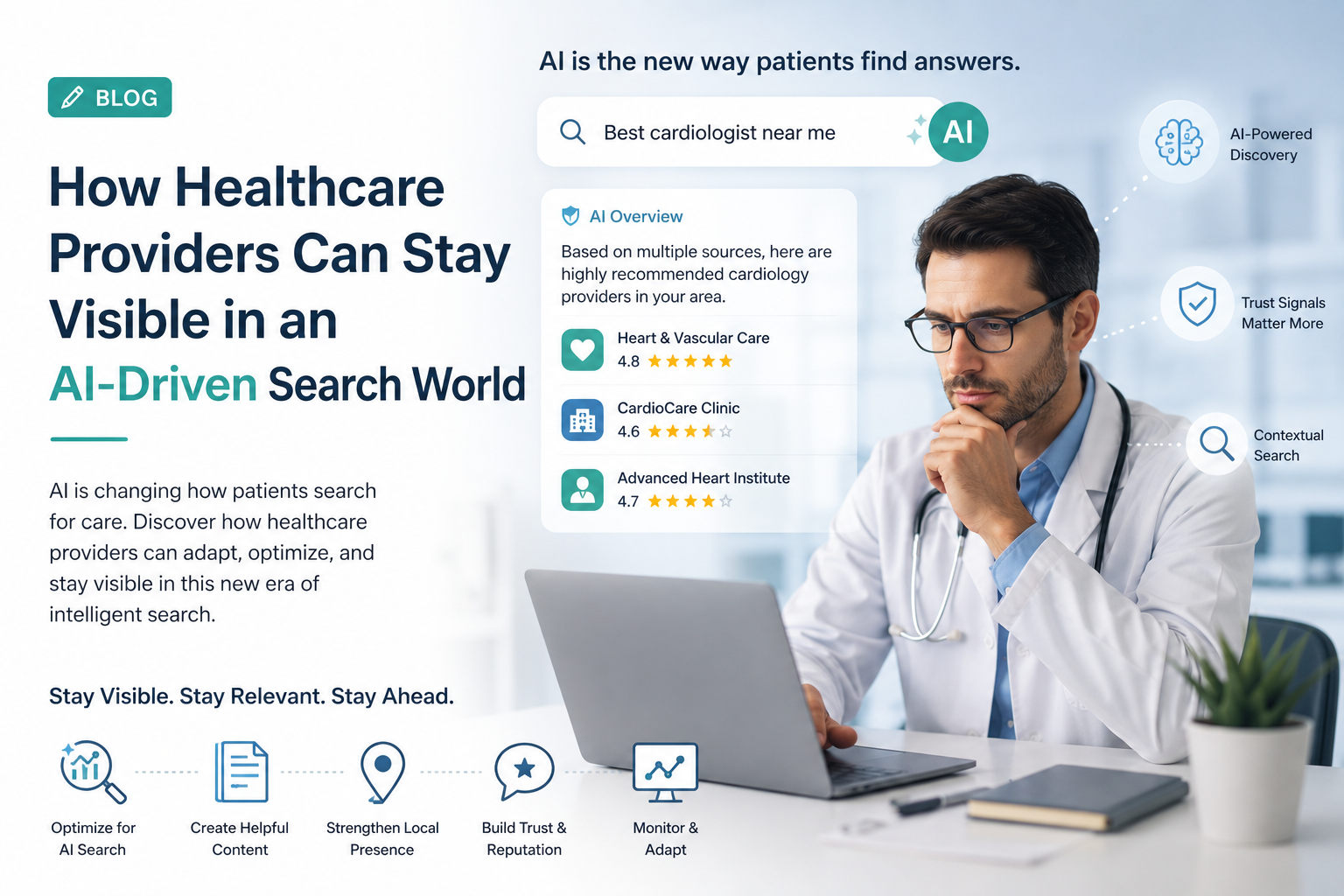
Content reaches patients when each page answers one question and related pages link to each other. A symptom page should link to the treatment page, and the treatment page should link to the doctor’s profile.
Practical healthcare SEO services also update older pages when facts change, add your city or area where it is relevant, and remove pages that repeat the same answer. This keeps the site clear for patients and for search engines.
Sharing Content Where Patients Spend Time
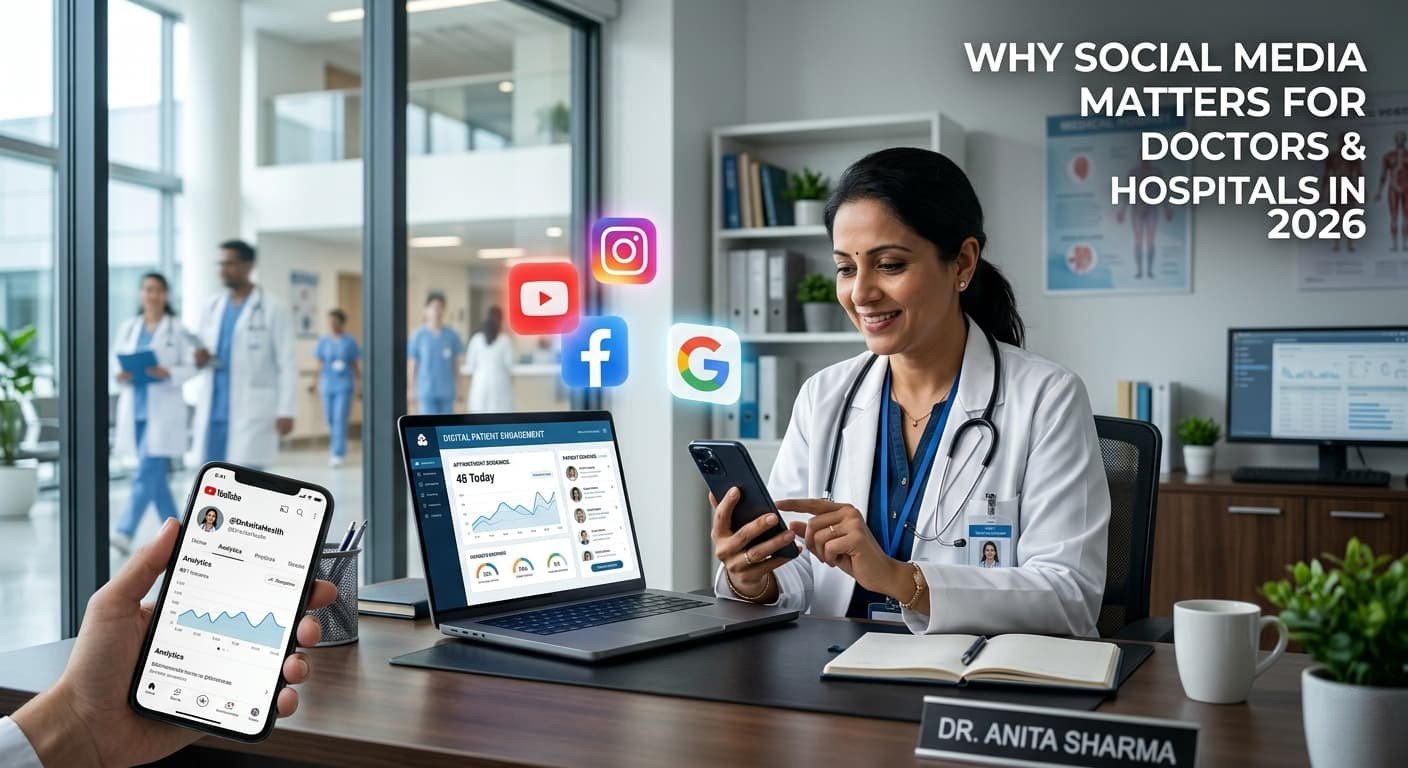
One page can become several pieces: three or four short posts, a video answer, and a message patients can forward to family. This gets more value from every question your doctor answers. Keep the most useful posts pinned or saved in a highlights section so new visitors find them first.
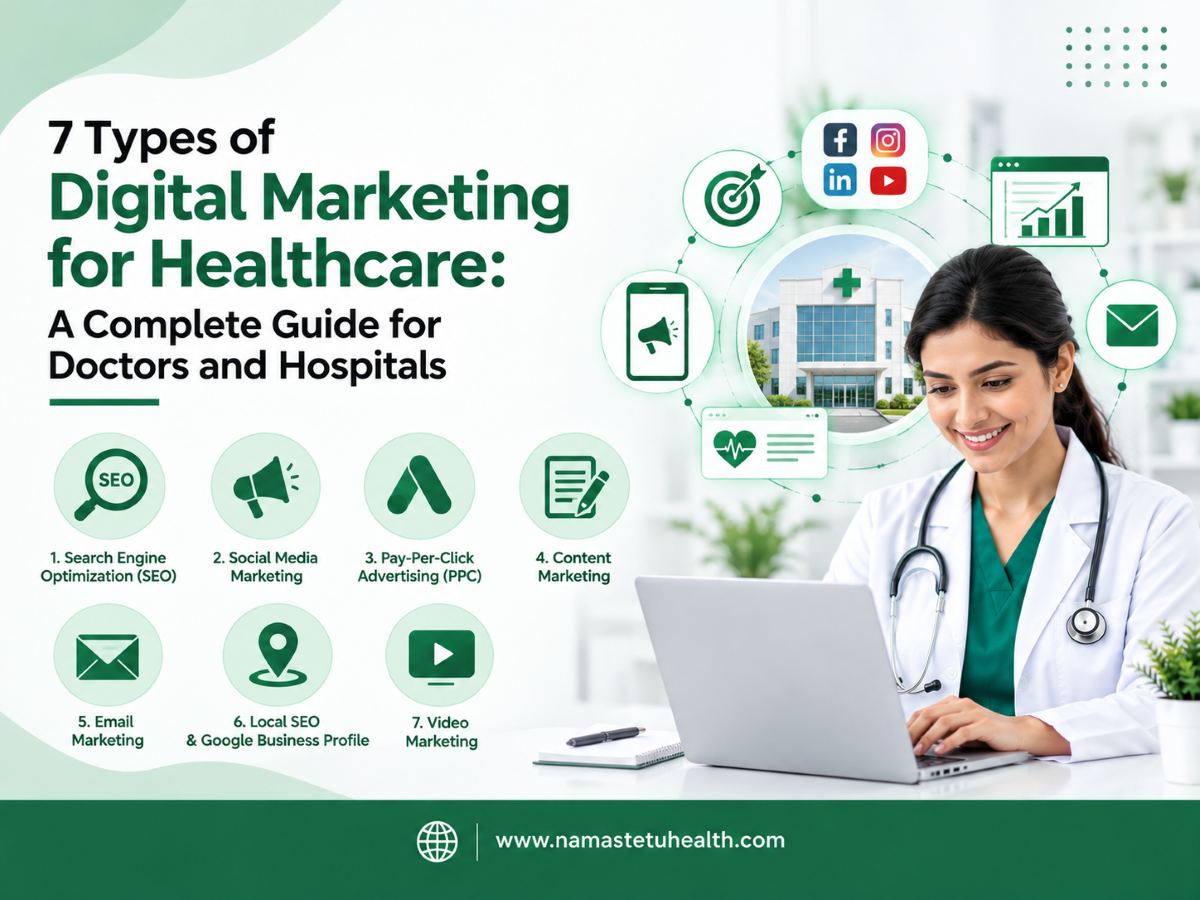
Steady social media marketing for healthcare works from that same question list. Each post answers a single question and ends with one clear next step, such as reading the full guide or booking a visit.
Using Paid Promotion for Content That Matters
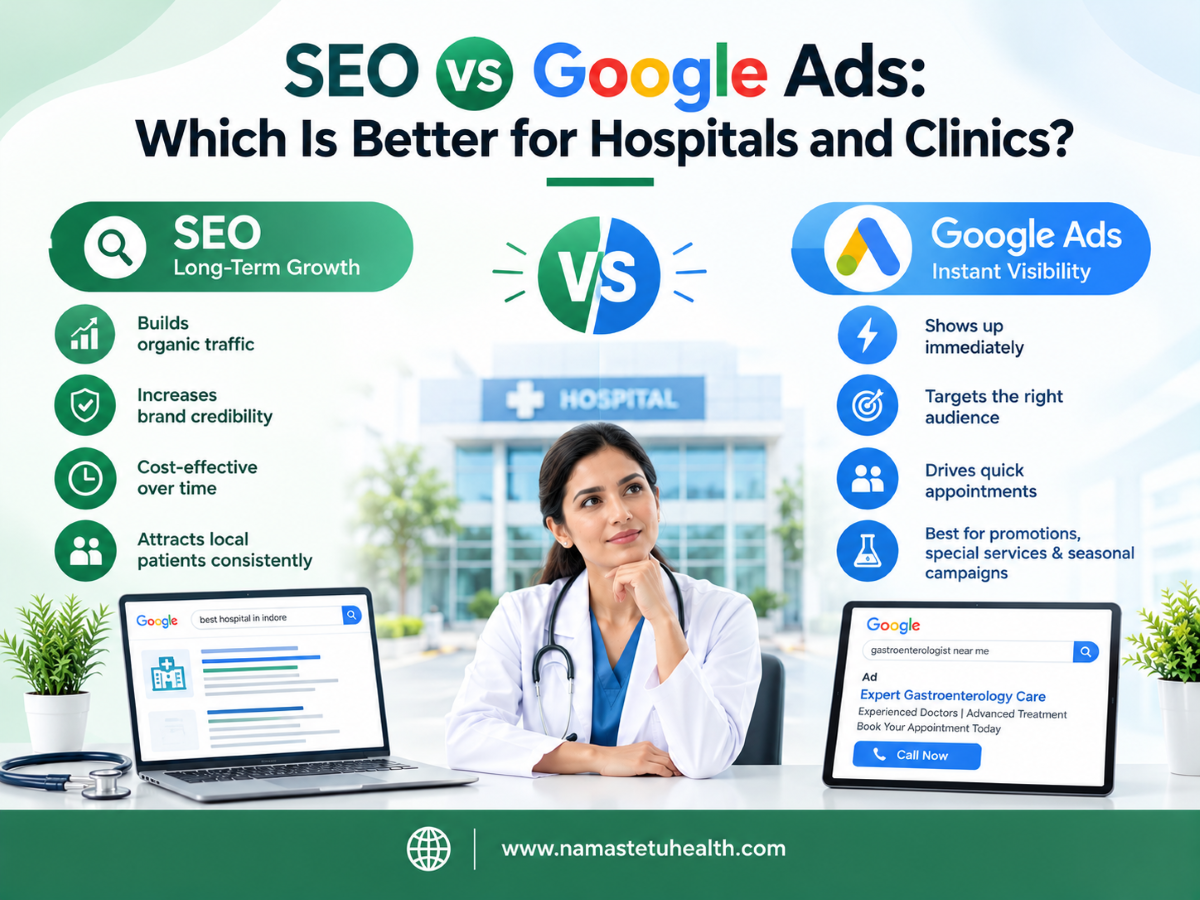
Promote a page only when patients need it soon, such as a vaccination drive, a screening camp, or a seasonal illness. For everything else, organic reach is usually enough.
Careful healthcare PPC services send people to the educational page first and place a booking button on it, instead of pushing straight to a sales page. They also follow Google’s stricter healthcare ad rules.
Measuring Whether Content Is Educating and Connecting
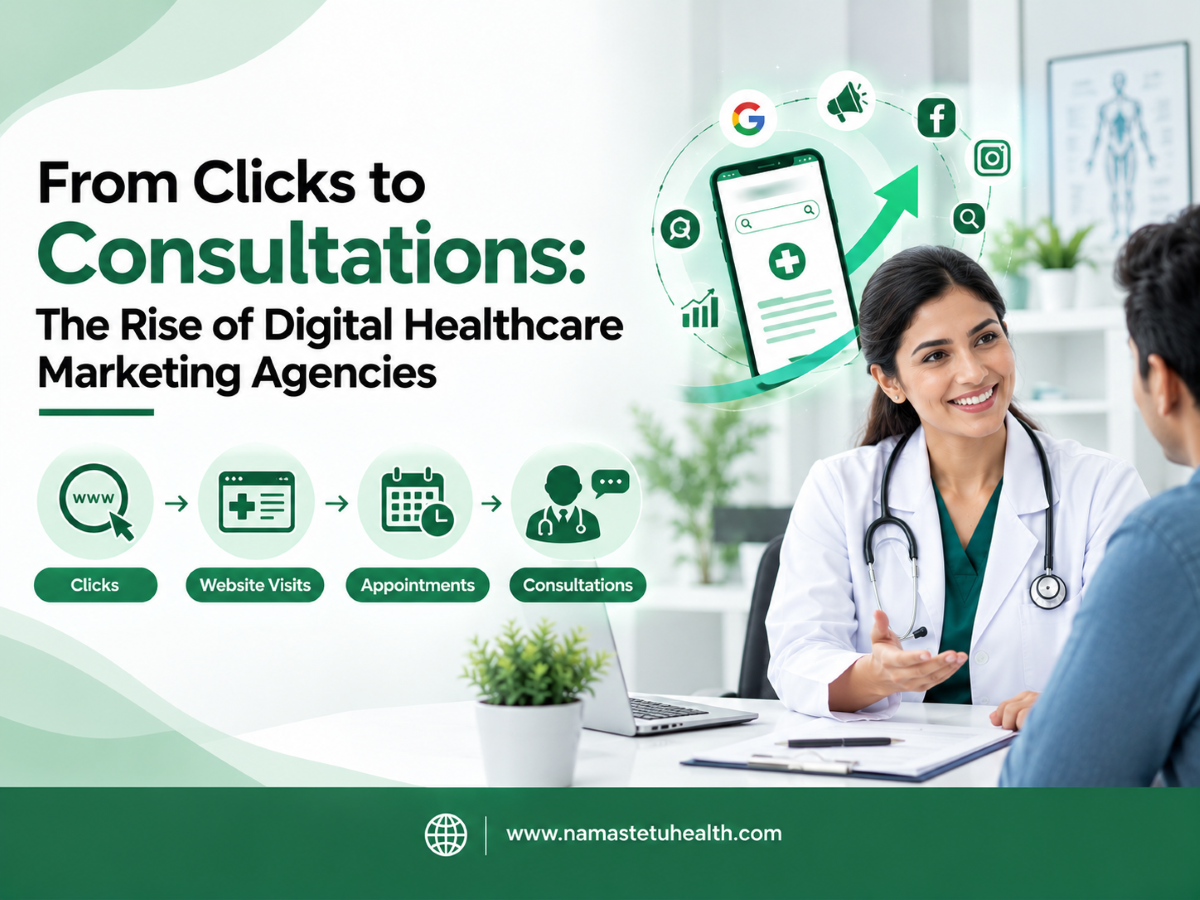
Measure whether readers take a next step, not only whether they visit. Page views alone cannot show whether a patient understood the answer or felt more ready to book.
- Visitors who read a guide and then call or book.
- Pages read most often compared with questions the front desk still repeats.
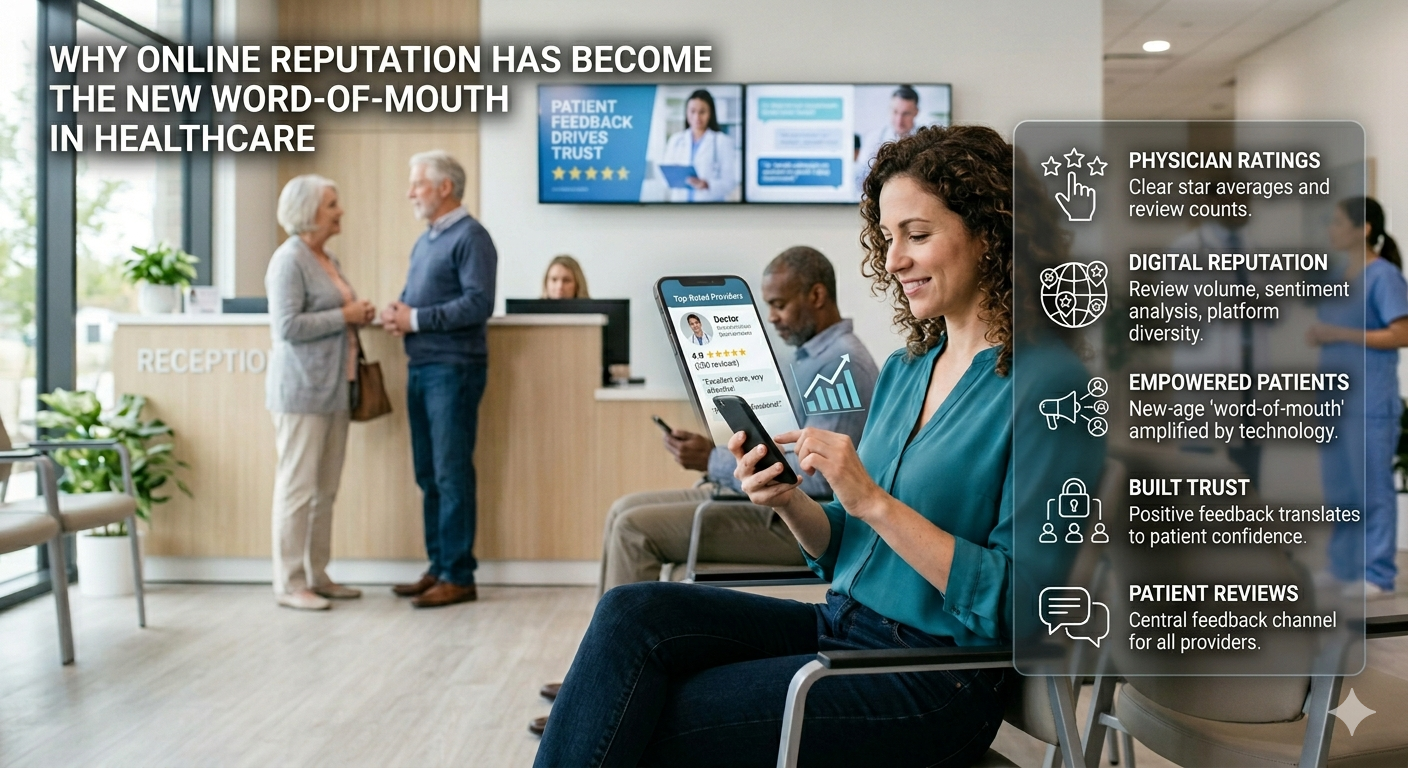
- Reviews and messages that say the patient felt well informed.
- Patients who arrive prepared for the visit and attend as booked.
Review these numbers regularly, and rewrite pages that bring readers but no next step. Content marketing improves when weak pages are fixed, not only when new ones are added.
Choosing a Partner for Healthcare Content
Choose a partner who involves your doctors in review, understands medical content rules, and reports patient actions instead of page views. Ask how they check facts and who signs off before publishing.
A healthcare digital marketing agency in Indore also understands local patient questions and language preferences, which matters when content must work in English, Hindi, or both.
Common Questions About Educating Patients Online
1. How often should a clinic publish new content?
Publish only as often as a doctor can review for accuracy. Consistency matters more than volume.
2. Does the doctor have to write everything personally?
No. A writer can draft from the doctor’s answers, but the doctor should review and approve every medical statement.
3. Can online content replace a consultation?
No. Content should educate and say when to seek care, but it must never diagnose or replace an examination.
4. What topics should a clinic start with?
Start with the five questions the front desk hears most, and give each one its own page.
5. How do I know content is working?
Look for readers who call or book after reading, fewer repeated questions at the front desk, and reviews that mention clear explanations.
Conclusion
Patients trust clinics that explain things clearly before they ask for anything. Content marketing works when every page answers a real question, carries a doctor’s name, and shows the next step. Namastetu Health helps clinics turn everyday patient questions into pages, videos, and messages that educate first and connect after.
Contact Namastetu Health with your five most common patient questions, and we will show how each one can become a page, a video, and a message.