Consider the most recent occasion when a friend suggested a physician to you. You likely searched for that doctor on Google before scheduling an appointment, right?
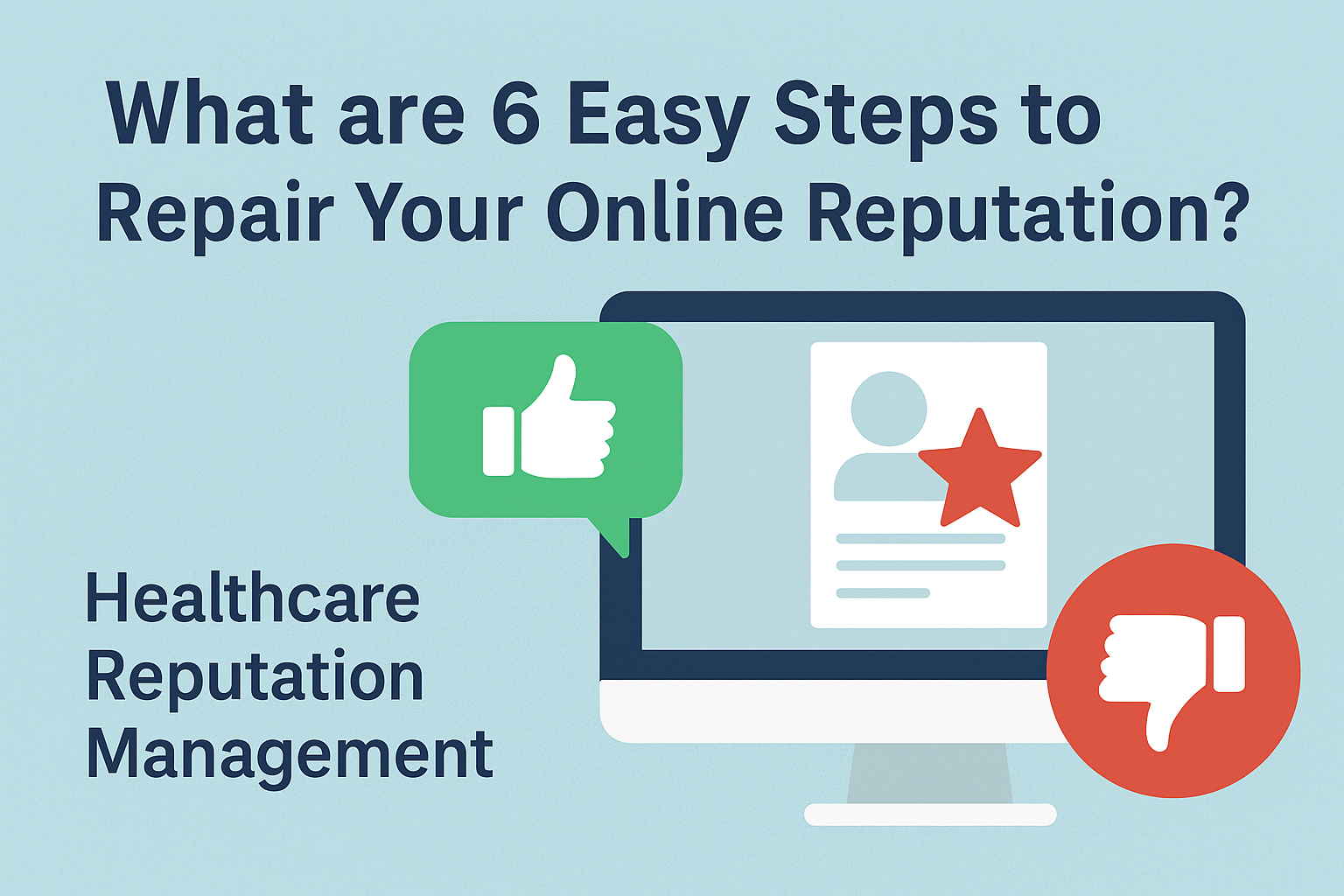
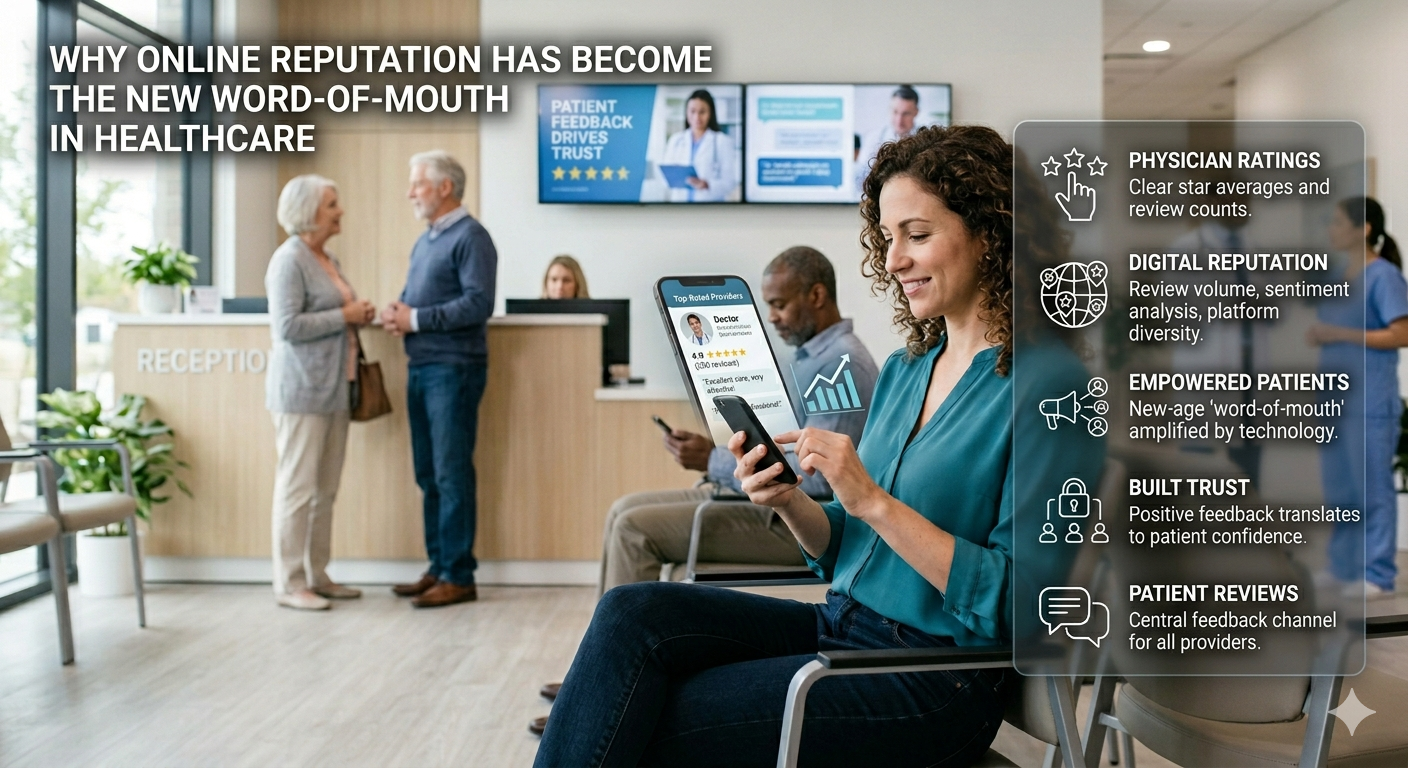
Word-of-mouth once spread through discussions among relatives and acquaintances. Currently, it navigates through star ratings, review excerpts, Google Business Profiles, and replies to patient comments. A well-referenced study from athenahealth indicates that 84% of patients review online feedback prior to selecting a provider, and 61% believe that one unfavorable review can have more influence than a personal referral they have received.
That is quite a significant change. That represents a total change in the way trust is established in healthcare. For clinics and hospitals that haven’t adapted to this shift, the effects are subtly occurring daily as patients opt for rival providers nearby.
At Namastetu Health, we work with healthcare providers who often don’t realise how much their online reputation is costing them until we sit down and show them the data. This blog breaks down why healthcare reputation management has become one of the most important investments a practice can make in 2026, and what it actually involves.
The Old Word-of-Mouth vs. The New Word-of-Mouth
Word-of-mouth used to be slow, local, and largely invisible to the provider. A happy patient would tell two or three people. An unhappy one might tell five or six. And the clinic itself had almost no way to participate in or influence that conversation.
Online reviews have changed every part of that dynamic:
- A single Google review can be seen by hundreds of prospective patients before the week is out
- A practice with 15 reviews and a 3.8-star average looks abandoned compared to a competitor with 180 reviews and a 4.7 rating
- Patients now compare multiple providers side by side, in real time, on a single search results page
- How a clinic responds to reviews is itself a signal of how they treat patients
The digital trail left by previous patients has essentially become a living, breathing reputation. And it is being updated constantly, whether you are paying attention or not.
What Patients Are Actually Looking At
When a patient finds your listing online, they are not just glancing at the star rating. Research consistently shows they are looking at several things in combination:
Volume of reviews. A limited selection of five-star reviews seems tailored. A practice that has 150 reviews with an average rating of 4.5 stars seems authentic.
Recency of reviews. A 2024 study referenced by BrightLocal discovered that 77% of consumers view recent reviews as more significant than older reviews. A collection of positive reviews from two years ago prompts inquiries about what has shifted since then.
Specificity of the feedback. Reviews that name a specific doctor, recount an actual experience, or discuss the received care hold significantly more significance than brief ratings.
Whether the practice responds. BrightLocal’s 2026 survey indicates that 88% of consumers prefer businesses that respond to every review, whereas only 47% would choose those that never reply.
These factors are why a strong online reputation has become an essential part of modern healthcare digital marketing services. The last point, in particular, is often overlooked. Responding to reviews is more than a courtesy—it is a trust signal that prospective patients actively consider when deciding where to book.
Why Healthcare Brand Trust Is Built (and Broken) Online
In many sectors, a negative review is an inconvenience. In healthcare, it can pose a significant barrier to expansion due to the higher stakes involved for patients. Nobody stresses about which coffee shop to visit. They intensely worry about who will care for their child, oversee their chronic illness, or conduct their operation.
This is exactly why healthcare brand trust has to be built with the same intentionality and consistency that a practice brings to clinical care. A few specific things erode that trust fast:
- Ignoring negative reviews entirely
- Responding defensively or in a way that inadvertently shares patient information (a serious HIPAA risk)
- Having inconsistent information across directories (different phone numbers, old addresses, varying clinic names)
- No photos, no team bios, no content that makes the practice feel human and real
On the other hand, organizations that focus on enhancing their online reputation gain a cumulative benefit. Each new genuine review serves as a digital recommendation. Every considerate answer shows a sense of responsibility. Each piece of educational material portrays the doctors as true authorities instead of faceless service providers.
What Strong Healthcare Reputation Management Actually Involves
Many clinics believe that managing their reputation involves tracking reviews and reacting when issues arise. This is the responsive version. The proactive approach is significantly more efficient and includes numerous continuous actions. It also supports why online visibility matters for hospitals and clinics, helping healthcare providers strengthen patient trust, improve local search presence, and create a more credible digital footprint before patients even make contact. A proactive reputation strategy includes numerous ongoing activities:
1. Review generation with a consistent system
Relying on patients to naturally leave reviews is a slow and unpredictable process. Effective practices establish a system that encourages feedback at the appropriate time, usually soon after a visit, via a straightforward SMS or email. The essential factor is regularity: a continuous stream of new reviews is more important than a single promotional effort.
2. Responding to every review, positive and negative
This does not have to be elaborate. A warm, professional acknowledgement of positive feedback demonstrates respect. A calm, empathic response to critical comments demonstrates that the practice takes patient experience seriously. Responses must always be HIPAA compliant: acknowledge, empathize, and invite the patient to continue the conversation privately.
3. Managing listings accuracy across platforms
Patients do not merely glance at Google. Healthgrades, Practo, Justdial, and other directories appear in searches. Inconsistent information across different platforms confuses patients and search engines, indicating a lack of care. Maintaining correct and up-to-date listings is an essential component of reputation management.
4. Monitoring sentiment over time
The most sophisticated part of online reviews for healthcare providers is to use them as a source of operational intelligence rather than a public relations exercise. Patterns in comments suggest staff behaviors that need to be addressed, processes that frustrate patients, and places where the clinic truly excels. Practices that use this information improve both their online reputation and the level of care they provide.
5. Showcasing reputation across owned channels
Patient testimonials, star ratings, and snippets from positive reviews should be included on your website, social media posts, and any marketing materials you create. Your reputation should not exist solely on third-party platforms; it should be integrated into the way you offer your practice everywhere.
The SEO Benefit Nobody Talks About Enough
Many healthcare providers are surprised to learn that reputation management directly influences search visibility. As part of effective healthcare SEO services, search engines evaluate trust signals such as review volume, review recency, average ratings, and response activity when determining local rankings. A practice with a consistent stream of positive patient feedback often performs better in local search results than one with limited or outdated reviews, even when other ranking factors are similar.
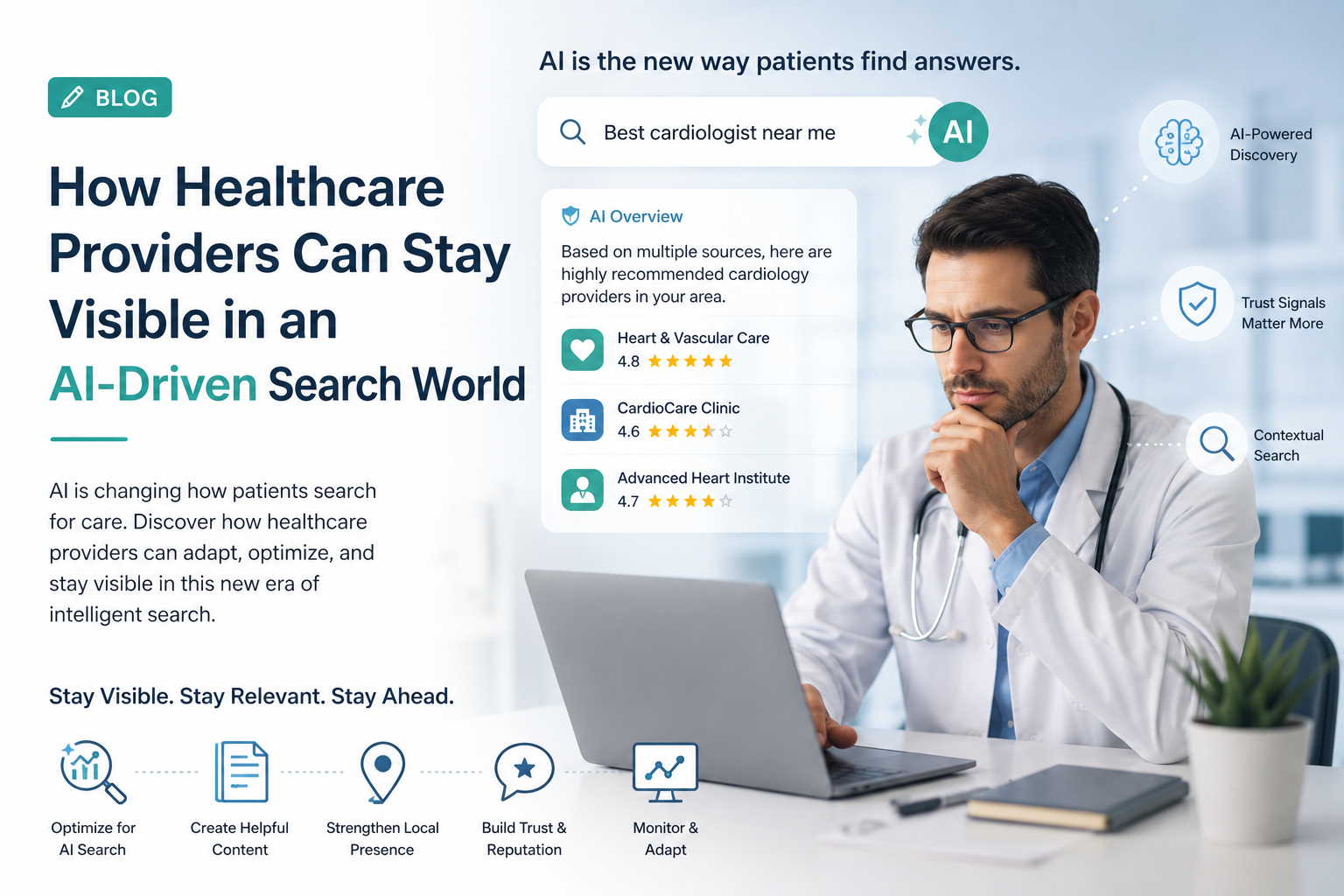
This relationship is becoming even more important as AI-driven search experiences continue to evolve. With Google AI Overviews increasingly appearing for healthcare-related searches, providers need strong credibility signals across the web. Practices that combine healthcare reputation management with a well-executed healthcare SEO strategy are more likely to appear in search results, local listings, and AI-generated recommendations.
This is where healthcare SEO services and reputation management work together. Reviews do more than influence patient perception—they help improve online visibility, strengthen local search performance, and increase the likelihood of being discovered by patients who are actively searching for care. In today’s digital landscape, trust is not only a conversion factor; it is also a powerful search ranking signal.
Frequently Asked Questions
Q1. How many Google reviews does a healthcare practice need for local SEO?
There is no fixed number, but healthcare practices with a strong local presence typically have a consistent flow of positive Google reviews. Regularly earning new reviews and maintaining a high rating can improve local search visibility and patient trust.
Q2. Can healthcare providers respond to negative reviews safely?
Yes. Providers should respond professionally without discussing patient details or confirming treatment information. A simple, empathetic response that invites offline communication helps protect privacy while demonstrating accountability.
Q3. Do patients actually read responses to reviews, or just the reviews themselves?
Research shows that patients do read responses, particularly to negative reviews. Thoughtful responses demonstrate accountability and signal that the practice takes feedback seriously. A well-handled critical review can actually build trust rather than damage it.
Q4. How often should a practice be generating new reviews?
Continuously, rather than in bursts. A practice that collects 20 reviews in a week and then nothing for three months looks inconsistent. A steady pace of 5 to 10 new reviews per month, spread across Google and other platforms, builds a more credible and algorithmically favoured profile.
Q5. How does Namastetu Health help healthcare providers manage their online reputation?
Namastetu Health helps healthcare organizations improve their online reputation through review generation strategies, reputation monitoring, local SEO optimization, and patient trust-building initiatives that support long-term growth.
Conclusion
The new word-of-mouth in healthcare is not a whisper between neighbours. It is a Google review that a hundred prospective patients will read this month. It is a response (or a telling silence) under a critical comment. It is a rating that either clears the bar patients have set or sends them elsewhere.
Practices that approach their internet reputation as a living, manageable asset grow and keep patients more quickly than those that leave it to chance. Good news: none of this requires luck. It takes a consistent system, a planned approach, and a partner who understands the unique rules of reputation in healthcare.
At Namastetu Health, we have helped clinics, hospitals, and specialists across India turn weak digital reputations into powerful growth engines. If you want to understand where your practice stands and what is holding your reputation back, we would love to take a look.