There is a pattern playing out in healthcare that most clinics have not fully come to terms with yet.
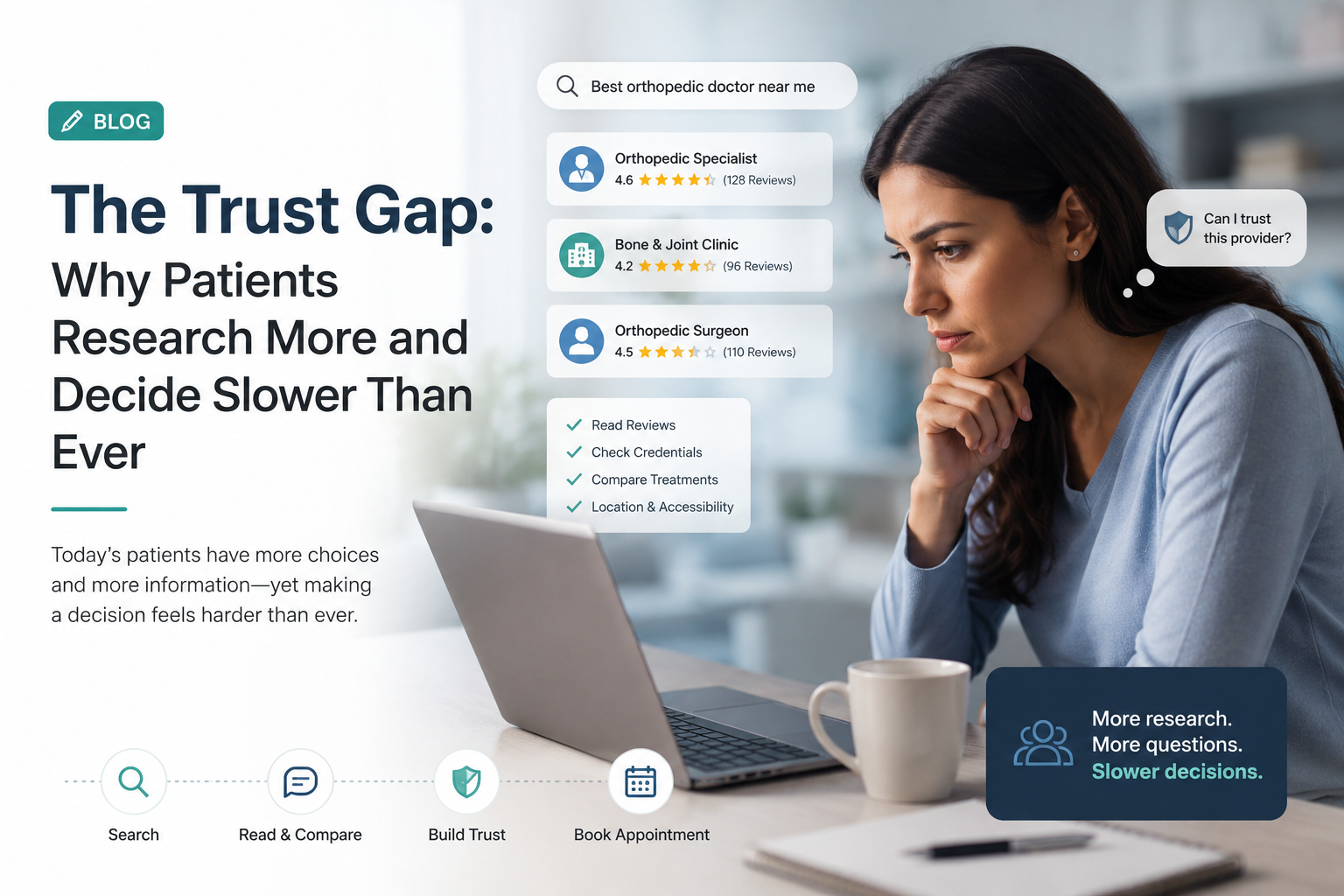
A patient experiences a symptom. They search online. They read about possible conditions, compare providers, scroll through reviews, check the clinic’s Instagram, visit the website, maybe read a blog post, then close the tab and go back to daily life. Three days later, they did it again. A week after that, they finally book an appointment — sometimes with the first clinic they found, sometimes with the fifth.
This is not impatience or indecision. This is what considered healthcare decision-making looks like in 2026. And if your practice is not showing up consistently and convincingly across every touchpoint in that extended research journey, you are losing patients you never even knew were considering you.
According to research published by the National Institutes of Health, the majority of patients now conduct online research before any healthcare visit, with digital channels shaping not just where they go but whether they go at all. The modern patient is more informed, more cautious, and more comparison-driven than any previous generation of healthcare consumers. And the practices that grow are the ones that have built a digital presence designed to earn trust over the length of that research journey, not just at the moment of search.
At Namastetu Health, we call this the Trust Gap. Understanding it, and closing it, is at the heart of what we do for every healthcare provider we work with.
What Is the Trust Gap?
The Trust Gap is the distance between the moment a patient first becomes aware of your practice and the moment they feel confident enough to book. A decade ago, that gap was narrow. A referral from a friend, a listing in the local paper, or a visible sign above a clinic door was often enough to get someone through the door.
Today, the gap is wider and more complicated. Patients carry the entire internet in their pockets and they use it extensively before making any healthcare decision. The average patient checks three to five provider websites before choosing one. Nearly 95% read online reviews before committing. Many will visit a clinic’s social media profile, look up individual doctors by name, and search for condition-specific information to evaluate whether the practice’s apparent expertise matches their specific need.
This shift has changed the role of healthcare digital marketing. Success is no longer about generating visibility alone; it is about building trust at every stage of the patient journey. Patients expect consistent information, positive reviews, credible content, and a professional online presence before they feel comfortable scheduling an appointment.
The gap is not a problem with patients. It is a feature of an environment where information is abundant and trust must be earned across multiple interactions before a booking happens. The practices that understand this design their entire digital strategy around it. Those that do not tend to invest in visibility but not in conversion, and they wonder why traffic does not translate into appointments.
Why Patients Research Longer Than They Used To
Several forces are driving this shift toward extended research and slower decisions, and they are all intensifying rather than easing off.
1. The abundance of choice
Patients in most cities now have more options than they can easily evaluate. Search results surface multiple providers for any given speciality, with ratings, locations, and first impressions available before a single click. When choice is abundant, due diligence feels necessary rather than optional.
2. The rise of health literacy
Patients are more medically literate than ever, partly because quality health information is more accessible than ever. A patient preparing to consult an orthopaedic surgeon may already understand the difference between conservative management and surgical intervention before they arrive. This literacy raises their expectations of the provider and their willingness to shop around until they find one who matches those expectations.
3. The high stakes of the decision
Healthcare decisions are inherently high-stakes. Choosing the wrong accountant is inconvenient. Choosing the wrong surgeon, or the wrong clinic for a child’s care, feels much more consequential. That weight naturally extends the research period and increases the number of trust signals a patient needs before committing.
4. Social proof as the default validator
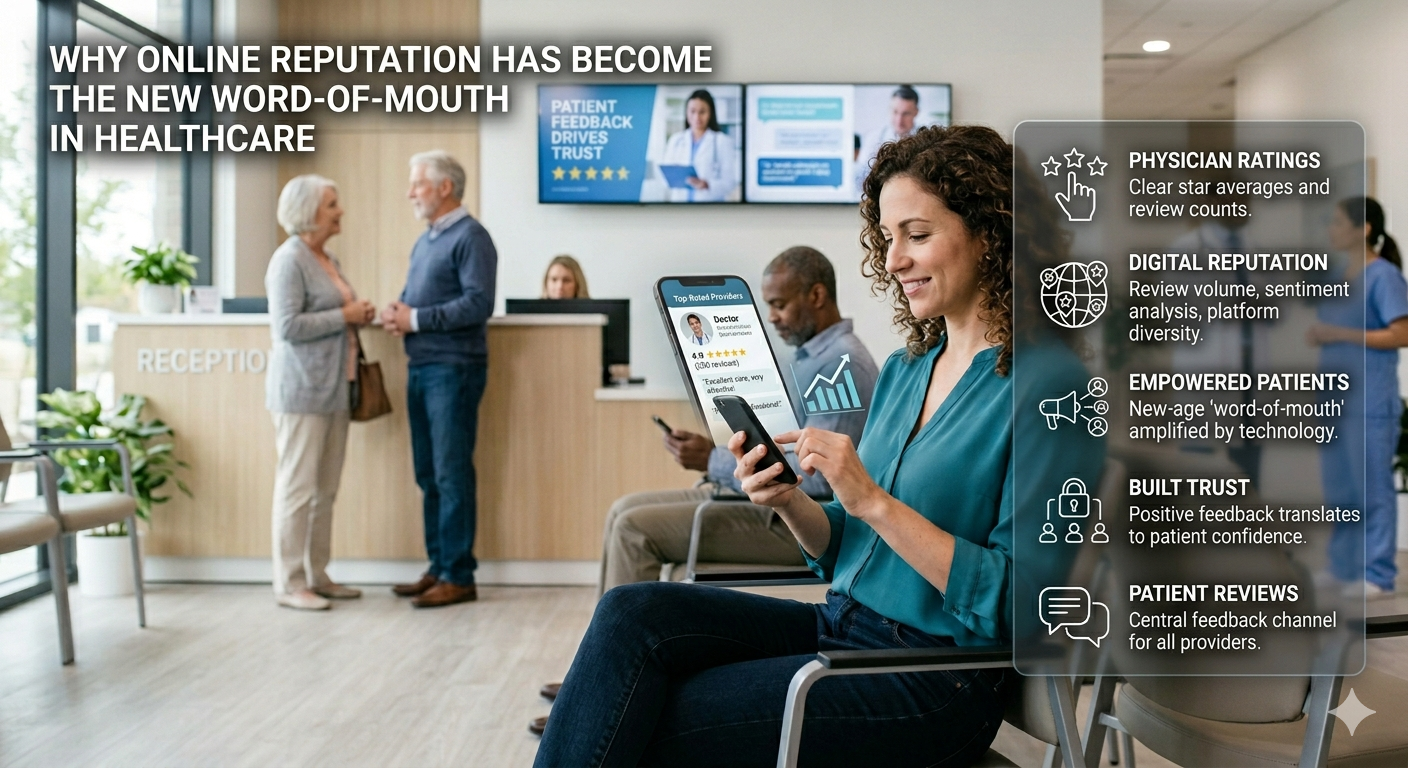
Before the internet, social proof came from personal relationships. Now it comes from strangers on review platforms. Patients treat the volume, recency, and specificity of reviews as a substitute for the trusted recommendation they may not have received from their personal network. When that social proof is thin, unconvincing, or absent, the research continues.
What Patients Are Actually Doing During That Research Period
Understanding the Trust Gap means understanding the specific touchpoints patients are moving through while they are still deciding. Based on the patterns we see consistently at Namastetu Health, a typical patient in the consideration phase is doing some combination of the following:
- Searching for their condition or symptom first, not for a provider specifically, which means your educational content may find them before your service pages do
- Comparing star ratings and review counts across two or three competing practices
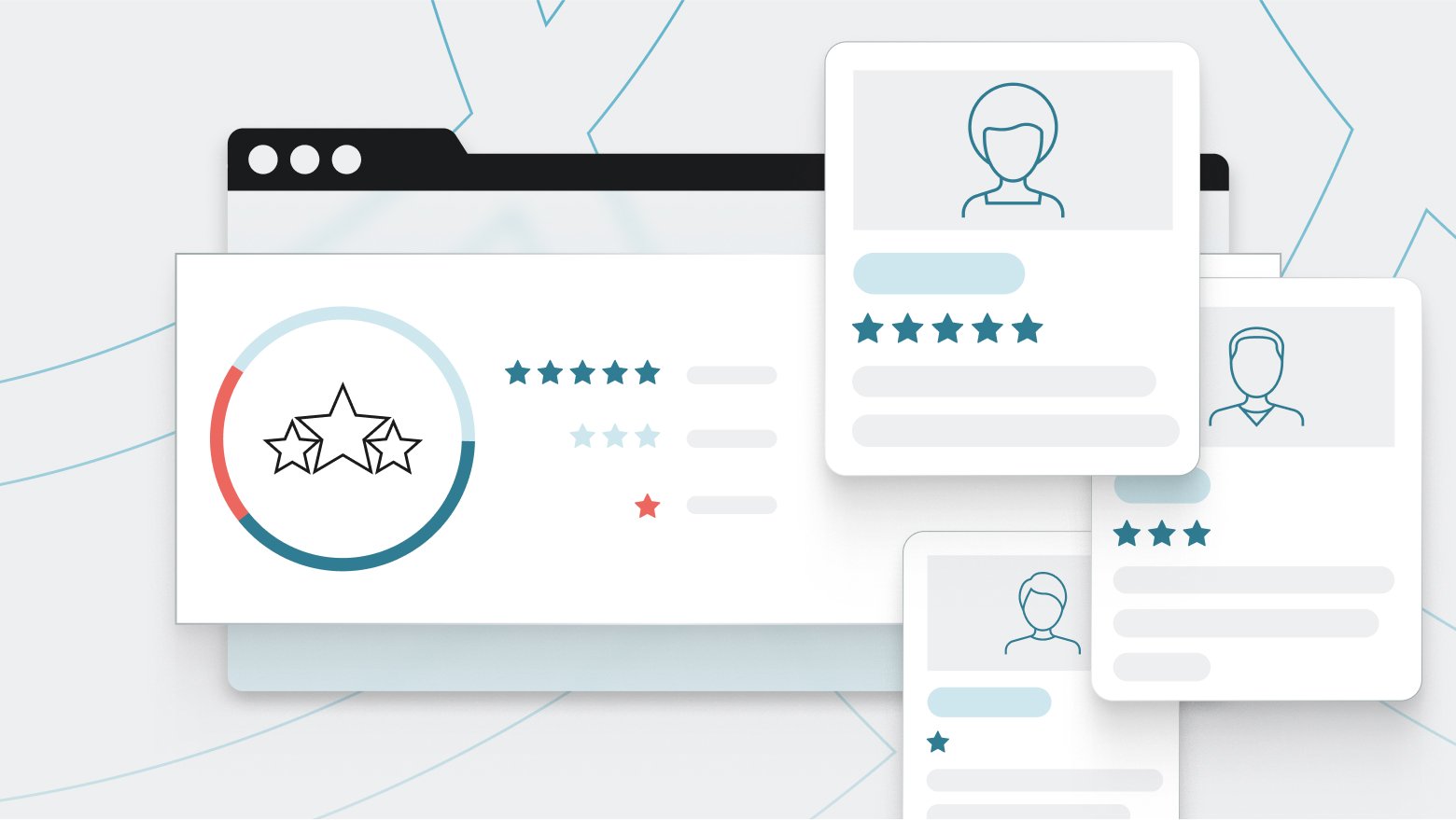
- Reading three to five individual reviews in full, particularly negative reviews and how the practice responds. This behavior reinforces the growing impact of patient reviews on healthcare practice growth, as reviews often shape first impressions long before a patient contacts a provider.
- Visiting the practice website to get a feel for the environment, the team, and the level of care communicated
- Checking whether the website is easy to navigate on a phone, since most of this research happens on mobile
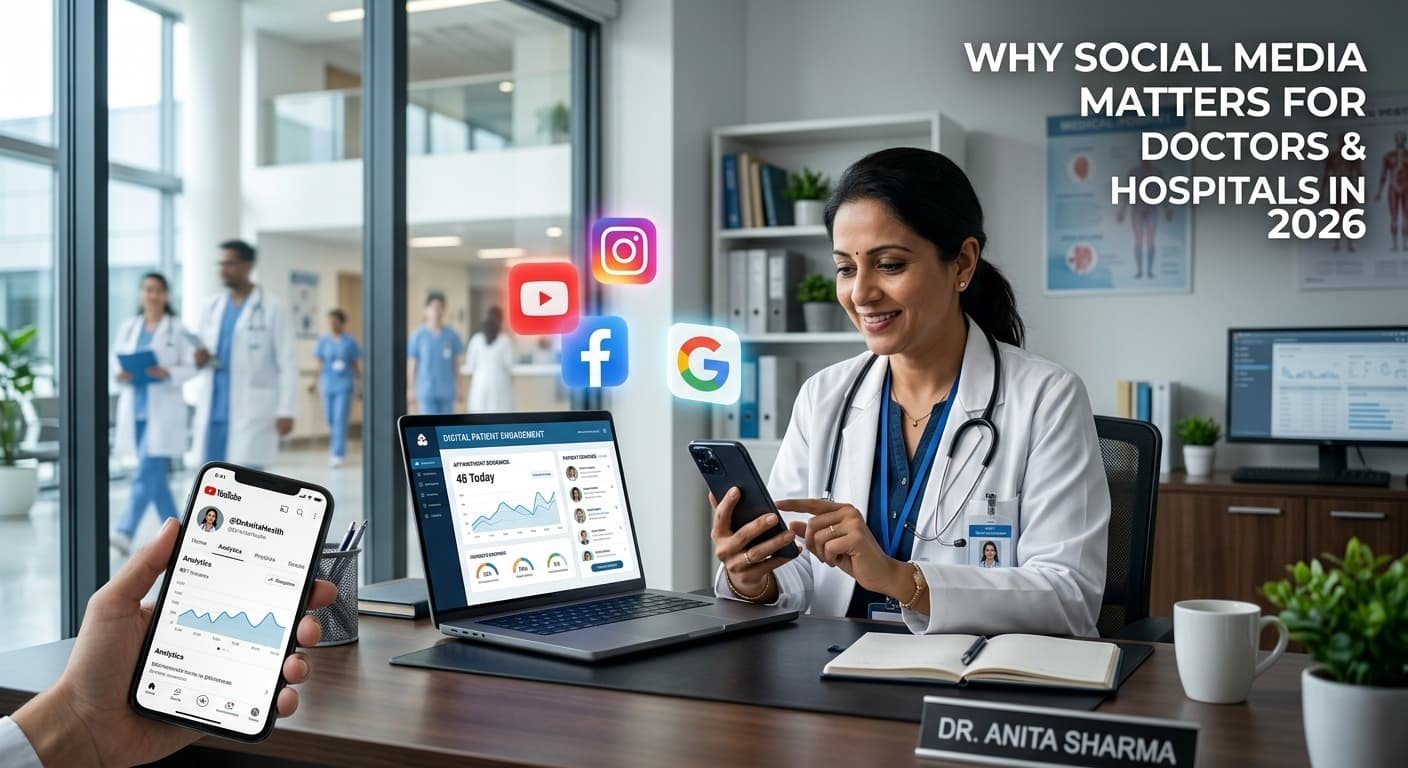
- Looking at social media to see if the practice feels active, human, and engaged with its patient community
- Searching the name of a specific doctor to see what comes up independently of the clinic’s own website
- Looking for an answer to one specific clinical question to see whether the practice has the depth of expertise their situation requires
Every single one of these touchpoints is an opportunity to either reassure the patient or give them a reason to look elsewhere. A healthcare online presence that covers only some of these touchpoints is leaving patients at precisely the moments when they are most open to being won or lost.
What Closing the Trust Gap Actually Requires
This is the point at which strategy turns into action. Bridging the Trust Gap does not revolve around one campaign or a redesign of the website. It involves creating a cohesive, multi-faceted online presence that supports the patient throughout their entire research experience and provides them with trust-building reasons at each step.
This is how that appears in real-life situations:
A credible, informative website that earns the visit
Your site serves as the foundation of your online identity. It must convey knowledge, friendliness, and transparency within moments of opening. This signifies profiles of qualified doctors featuring authentic credentials, transparent service and specialty pages, language accessible to patients, quick loading speeds, and design optimized for mobile devices. A website that appears old-fashioned, unclear, or lacking in content drives patients right back to the search results.
Educational content that finds patients before they find you
The majority of patients start with a symptom or condition rather than a clinic name. Blog articles, condition manuals, and FAQ sections tailored to the inquiries patients genuinely have established your practice as a valuable resource even before it appears on their list of providers. This is among the strongest mechanisms for building trust and is often underutilized by small and medium-sized practices.
Reviews that do the convincing for you
An ongoing flow of genuine, recent reviews on Google and other relevant platforms is more persuasive than almost any marketing message a practice can create. Reviews provide the social proof that helps patients move from awareness to action. In fact, a strong healthcare online reputation often becomes the deciding factor when patients are comparing multiple providers with similar services and credentials.
Social media that humanises the practice
Patients seek confirmation not only of your doctors’ qualifications. They desire to sense that the practice is an authentic environment with genuine individuals who are concerned. Engaging social media content, such as brief videos, team showcases, patient education updates, and behind-the-scenes glimpses, gives the practice a relatable and friendly vibe that a simple service listing cannot achieve.
Consistent presence across all discovery channels
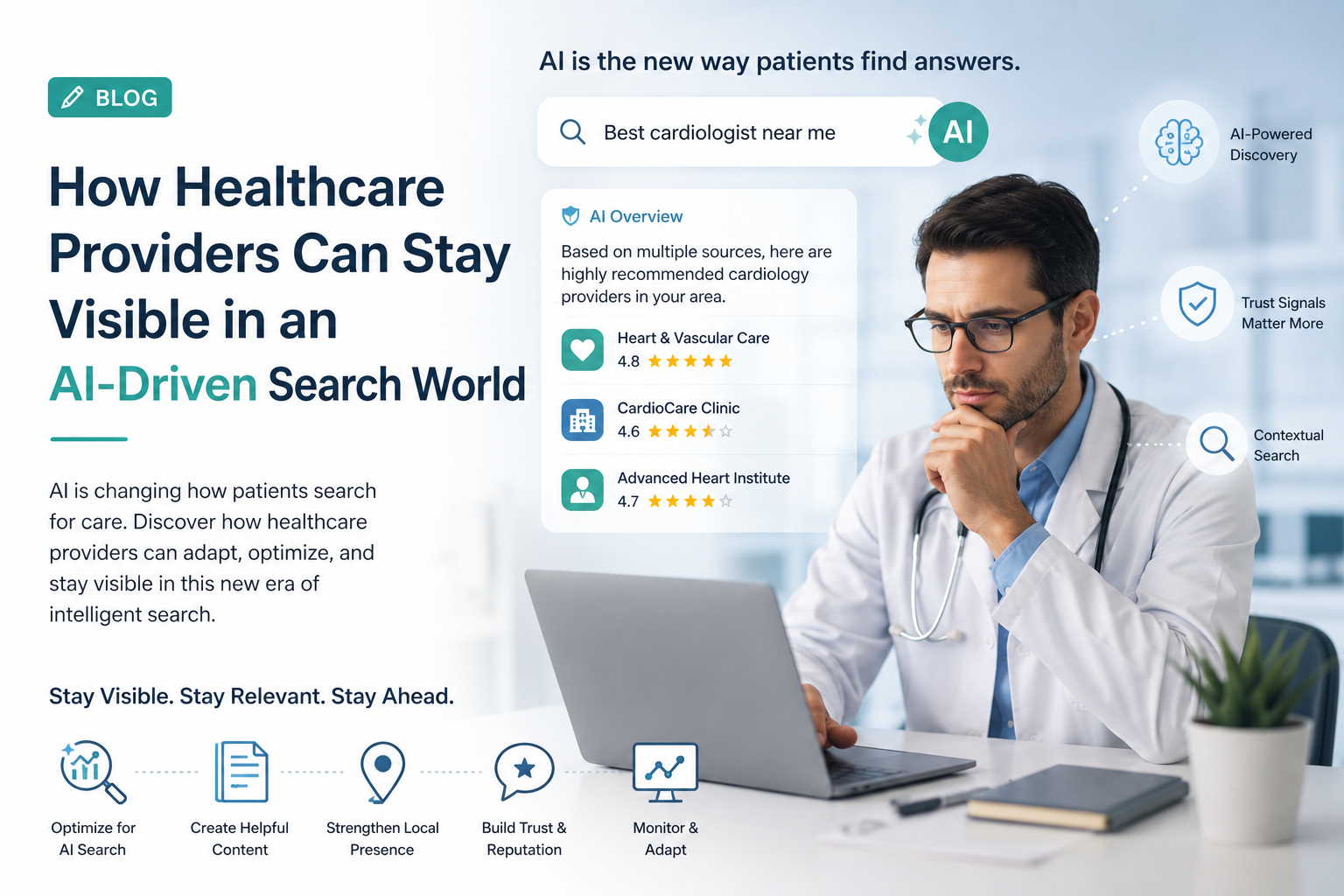
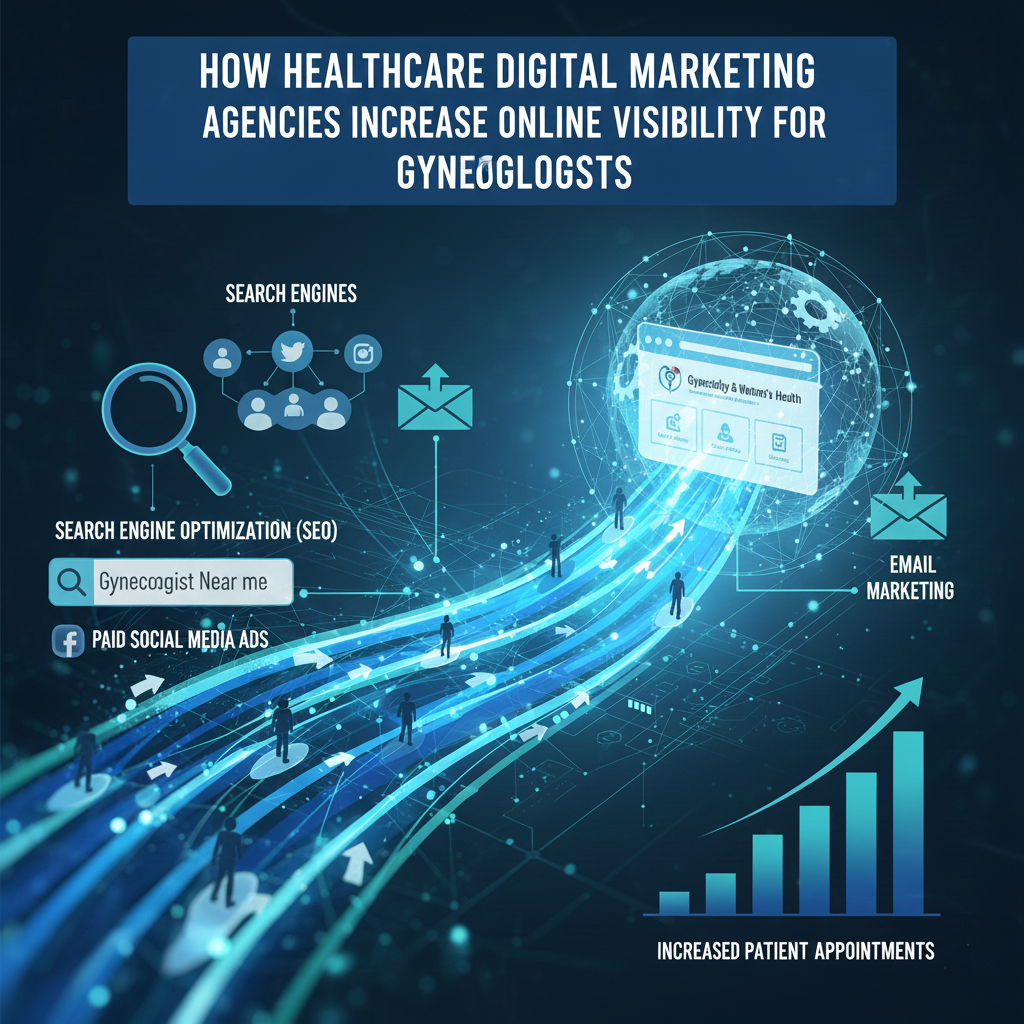
The contemporary research process navigates through Google Search, Google Maps, Instagram, Facebook, healthcare directories, and possibly AI tools like ChatGPT and Perplexity. A healthcare marketing strategy focused on the Trust Gap guarantees that the practice appears consistently and persuasively across all areas, not solely the primary one.
The Role of a Coherent Healthcare Marketing Strategy
What connects all of these elements is strategy. Not a collection of separate tactics, each managed in isolation, but a coherent plan that recognises how patients actually move through the research journey and meets them at every stage of it.
A coherent healthcare marketing strategy for a practice in 2026 answers a set of specific questions: Where are our patients starting their research and are we showing up there? What are they looking for when they reach our website and are we providing it? What is our review profile telling a patient who is almost ready to book? What does our social presence communicate about who we are?
Practices that invest in answering these questions build digital ecosystems that work for them around the clock. Patients at any stage of the research journey encounter something that either introduces the practice, deepens trust, or converts consideration into a booking.
This is the approach that Namastetu Health applies for every client. We do not sell individual services; we build integrated strategies that close the Trust Gap systematically, from the first point of discovery through to the confirmed appointment.
Frequently Asked Questions
Q1. Why do patients take longer to choose a healthcare provider today?
Patients have access to more information than ever before. Before booking, many compare providers, read reviews, visit websites, and check social media profiles to feel confident in their decision. Since healthcare choices directly affect their well-being, patients often spend extra time researching before committing.
Q2. What influences a patient’s decision most during the research process?
While every patient is different, online reviews and a provider’s website often have the biggest impact. Reviews help patients understand others’ experiences, while a professional, informative website builds credibility and answers important questions before an appointment is scheduled.
Q3. What is a common reason healthcare providers lose potential patients online?
Many providers focus on attracting visitors but overlook the factors that build trust. If patients find outdated information, limited reviews, or an inconsistent online presence, they may continue searching for another provider that feels more reliable and transparent.
Q4. How can a strong online presence help patients make decisions faster?
When patients find clear, accurate, and consistent information across search results, websites, reviews, and social media, they can evaluate a provider more easily. This reduces uncertainty and helps them feel comfortable booking an appointment sooner.
Q5. How does Namastetu Health help healthcare providers build patient trust online?
Namastetu Health helps healthcare organizations strengthen every stage of the patient journey. From website optimization and healthcare SEO to reputation management, content marketing, and social media strategy, we create a cohesive digital presence that helps providers earn trust and attract more patients.
Conclusion
The Trust Gap is not a short-time occurrence. Patients will continue to explore, evaluate, and deliberate on their healthcare choices. With AI tools simplifying the process of gathering and comparing information, the research phase will become increasingly comprehensive, and the standards for earning trust will progressively elevate.
The methods that flourish in this setting are not those attempting to bypass the research process. They are those who honor it. They focus on performing well at every interaction, addressing the inquiries patients are sincerely posing, and creating a digital presence that gradually and reliably earns trust instead of expecting it right at first contact.
At Namastetu Health, building that kind of presence is precisely what we do. If you want to understand where your practice is losing patients during the research phase, and what it would take to close that gap, we would be glad to show you.