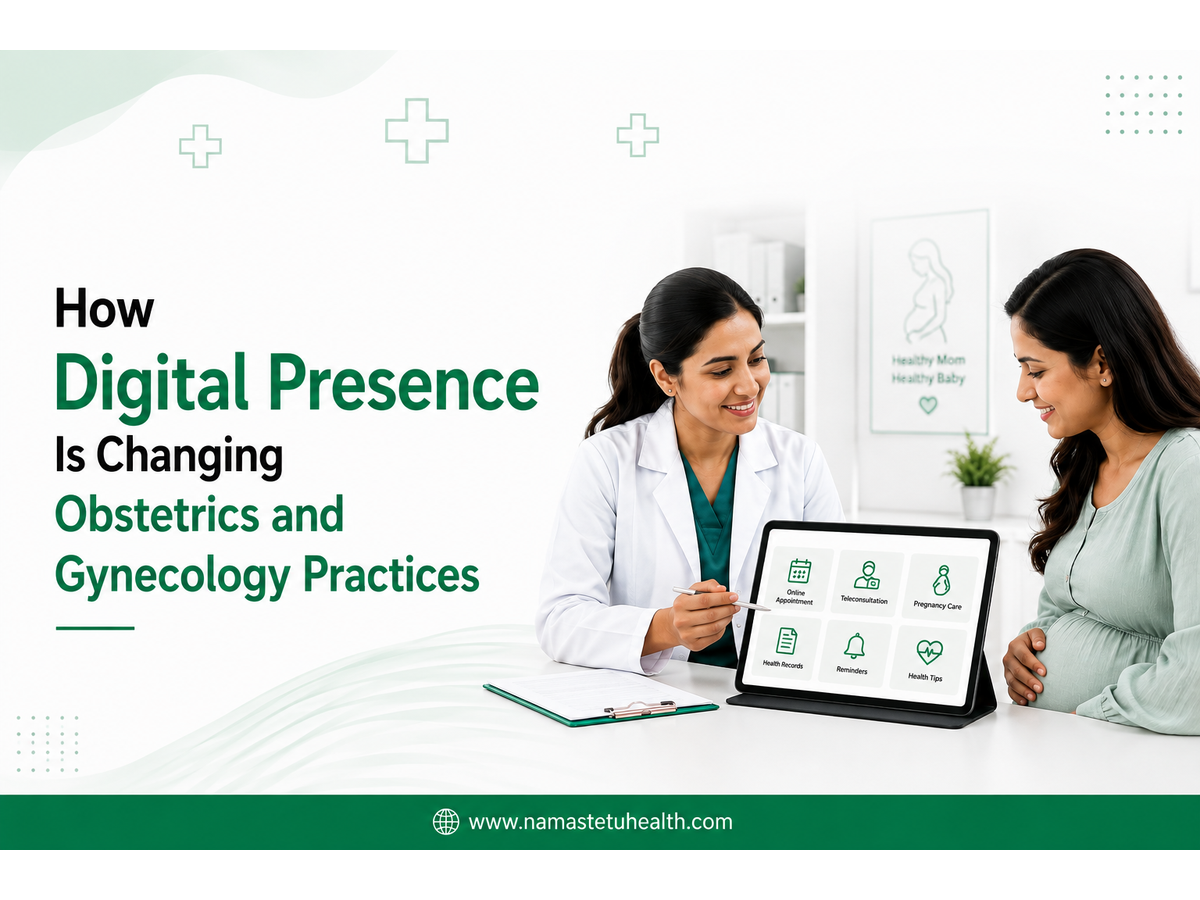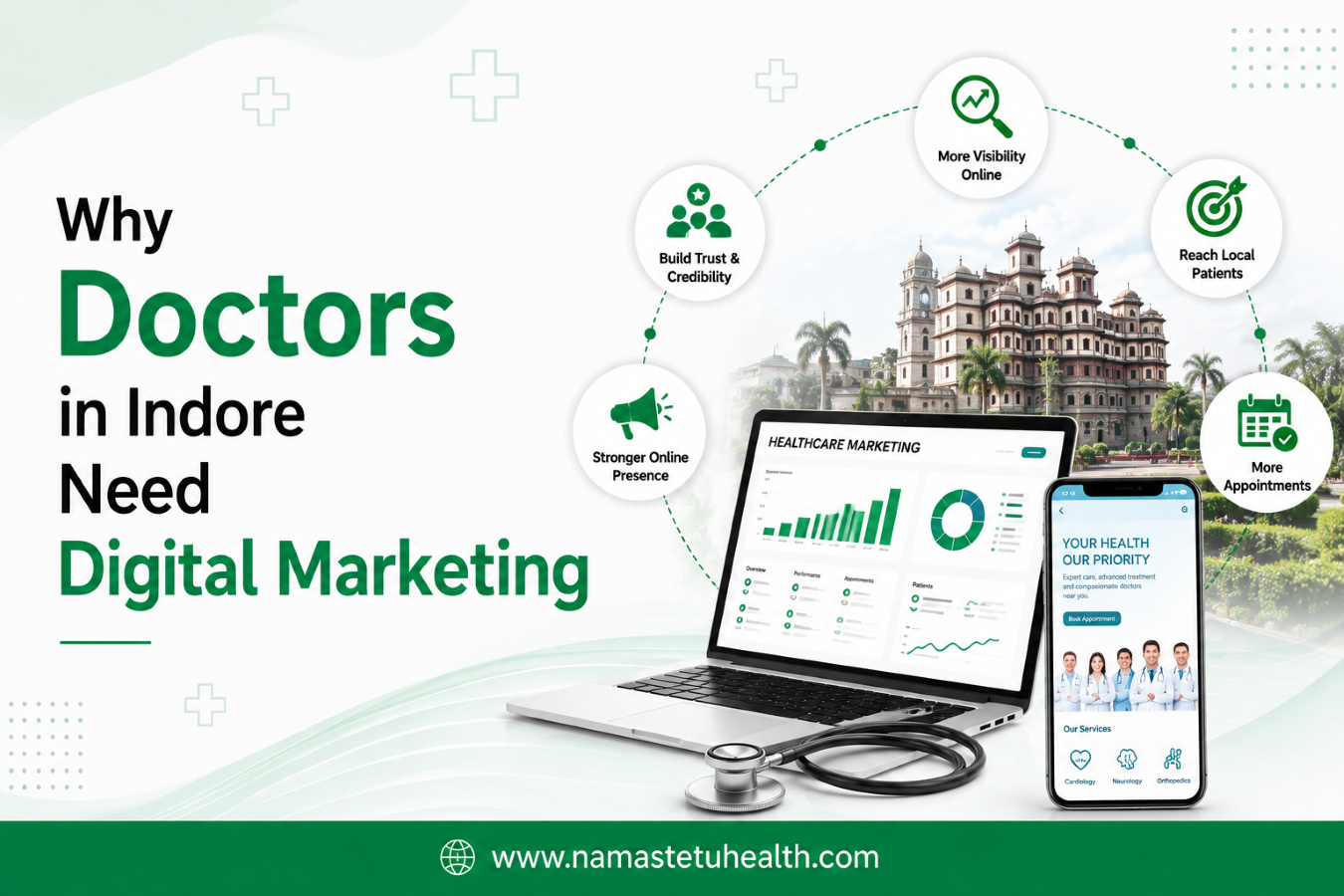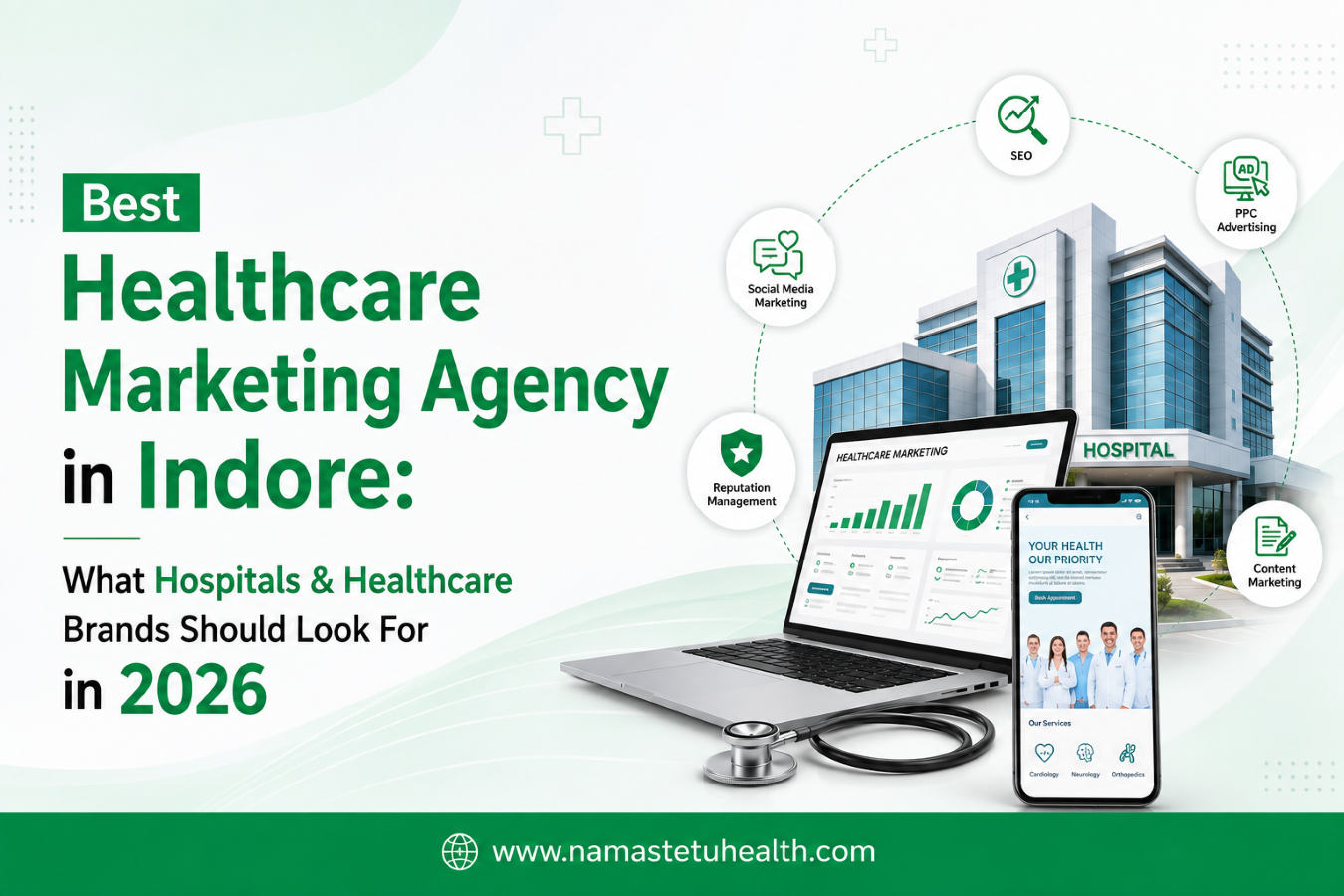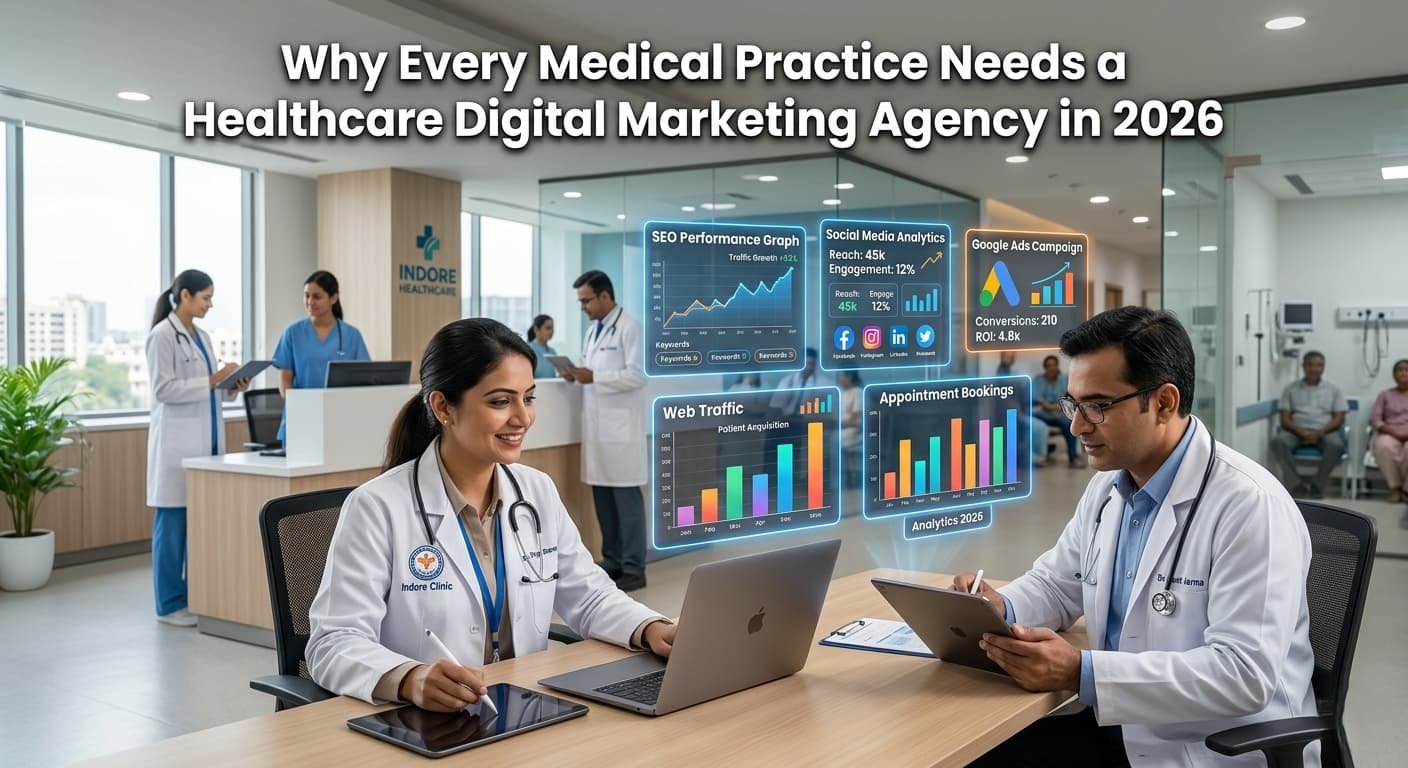
The rise of digital healthcare marketing refers to the growing shift away from general marketing agencies toward specialized firms built specifically around healthcare, covering patient privacy rules, medical content standards, and the unique way patients search for health information online. This shift exists because general marketing tactics, built for retail or hospitality, consistently underperform when applied to healthcare without adjustment, making genuine digital marketing in healthcare a distinct skill set rather than a loosely adapted version of general marketing. Namastetu Health operates specifically within this specialized category, built around these exact requirements rather than general marketing principles applied loosely to medical practices.
Why Generic Marketing Agencies Struggle With Healthcare Specifically
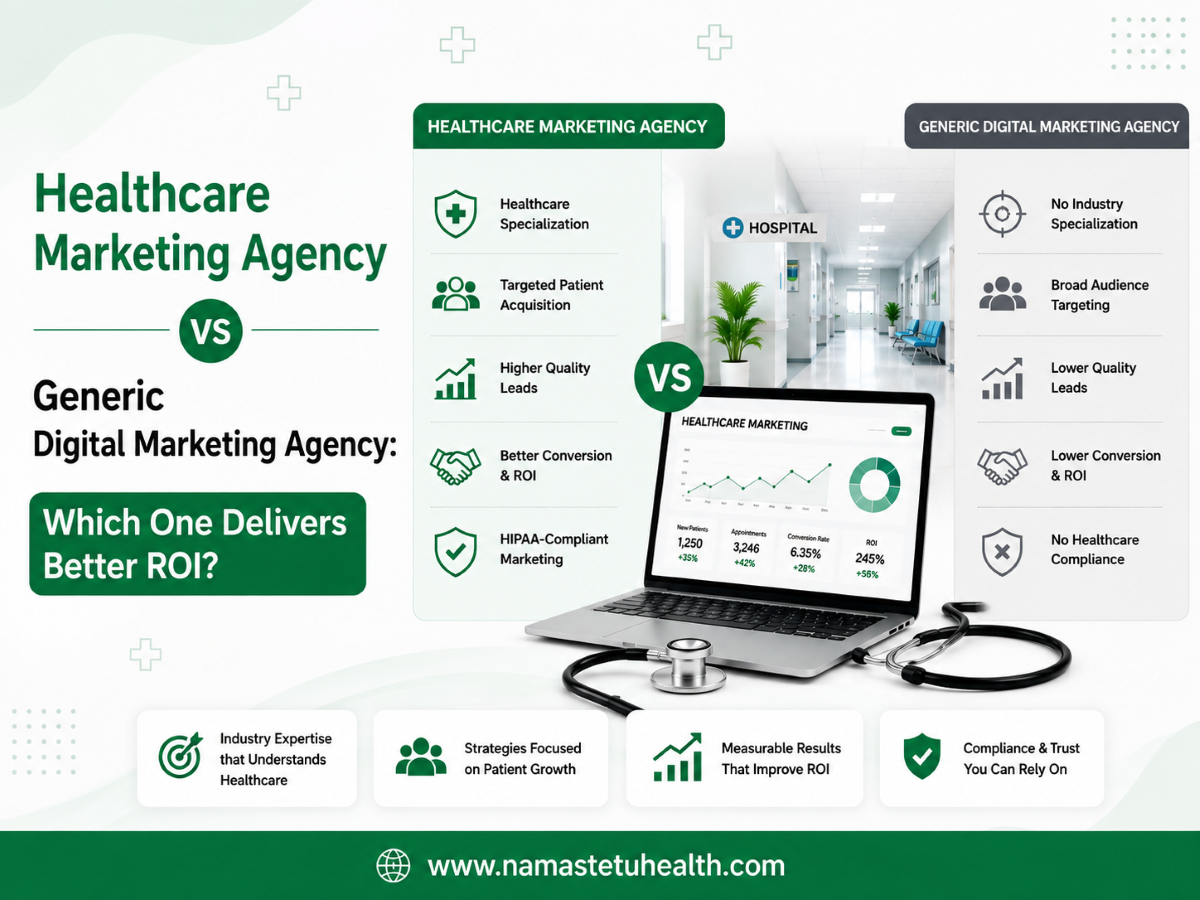
A marketing agency skilled at promoting restaurants or retail stores often applies the same playbook to a hospital, discounts, urgency, aggressive calls to action, without realizing these tactics frequently backfire in healthcare. Patients researching a diagnosis respond very differently than someone comparing two nearby cafes.
Generic agencies also tend to miss regulatory and ethical details specific to healthcare, like how patient testimonials should be handled, what claims about outcomes are appropriate to make, and how review management needs extra care around privacy.
These gaps rarely show up as an obvious failure, they show up as content that feels slightly wrong, campaigns that technically run but convert poorly, and a marketing effort that never quite earns the trust a healthcare audience actually needs.
A practice working with a generalist agency often cannot even point to what is wrong, since everything appears technically functional on the surface while quietly underperforming against what healthcare-specific expertise would have delivered instead.
What Is Driving the Rise of Digital Healthcare Marketing?
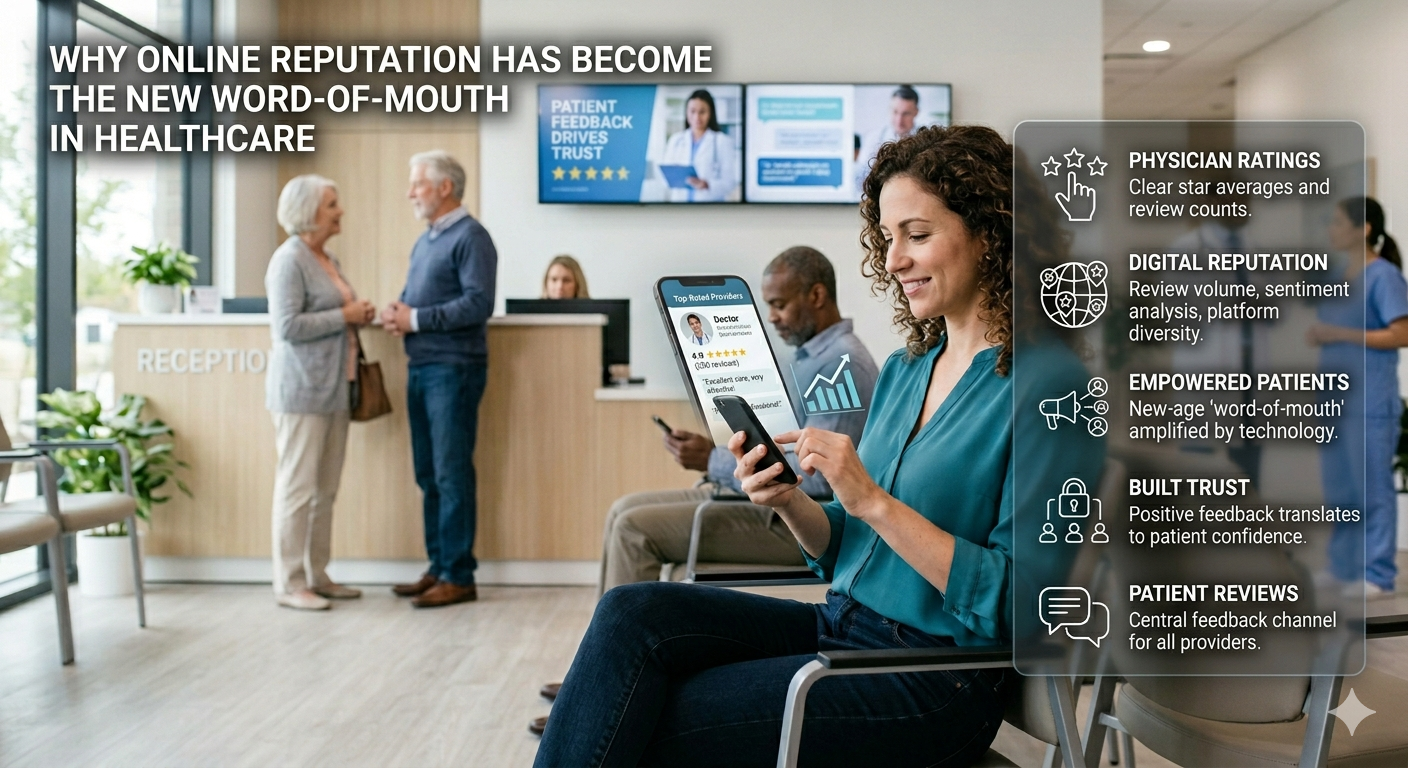
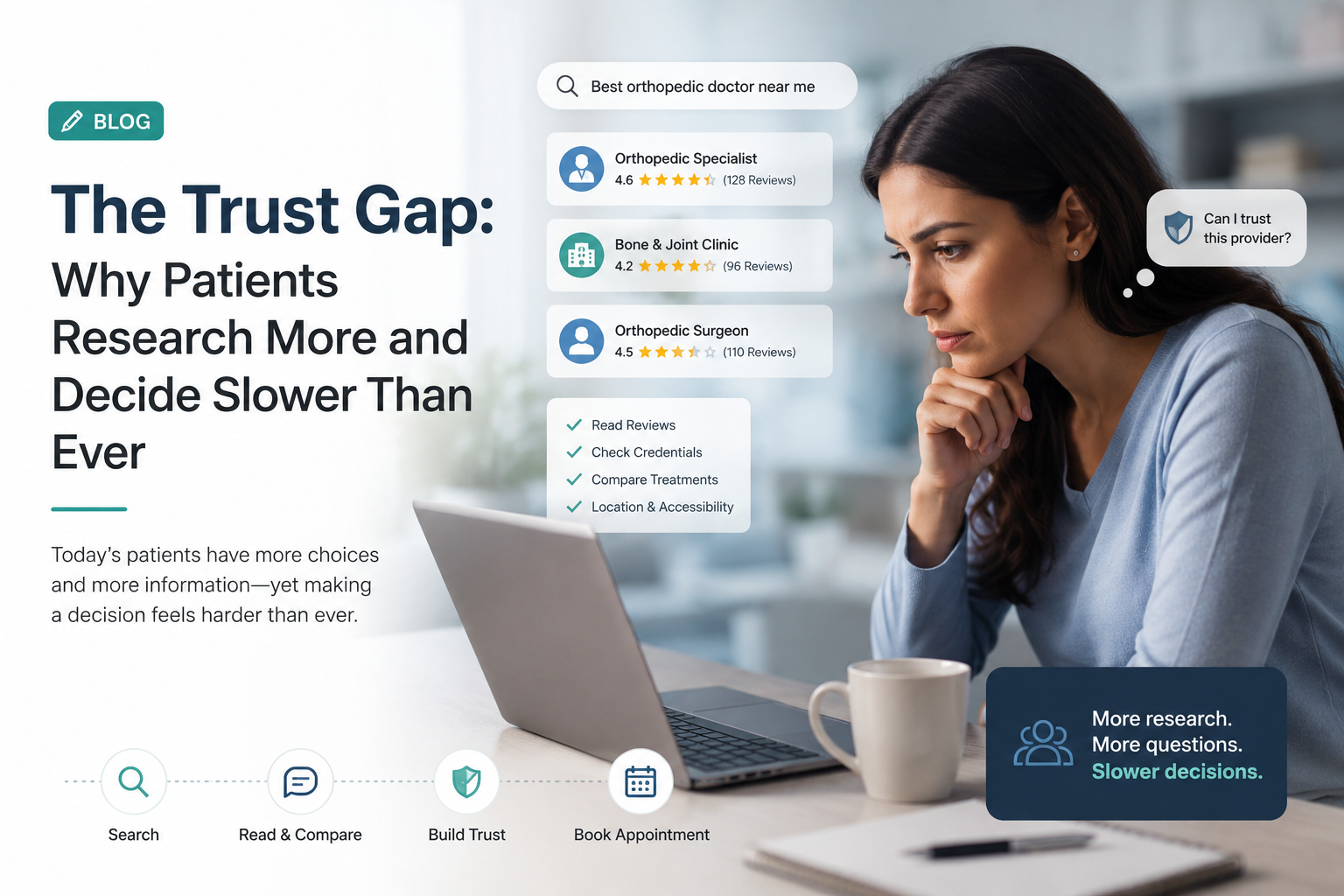
The rise of digital healthcare marketing is being driven largely by a shift in patient behavior: more patients now research symptoms, compare providers, and read reviews online before ever calling a clinic, which means visibility and trust online directly determine who gets chosen. This shift has made healthcare-specific marketing expertise, not general marketing skill, the deciding factor in whether a practice actually grows.
From Clicks to Consultations: Why the Gap Matters
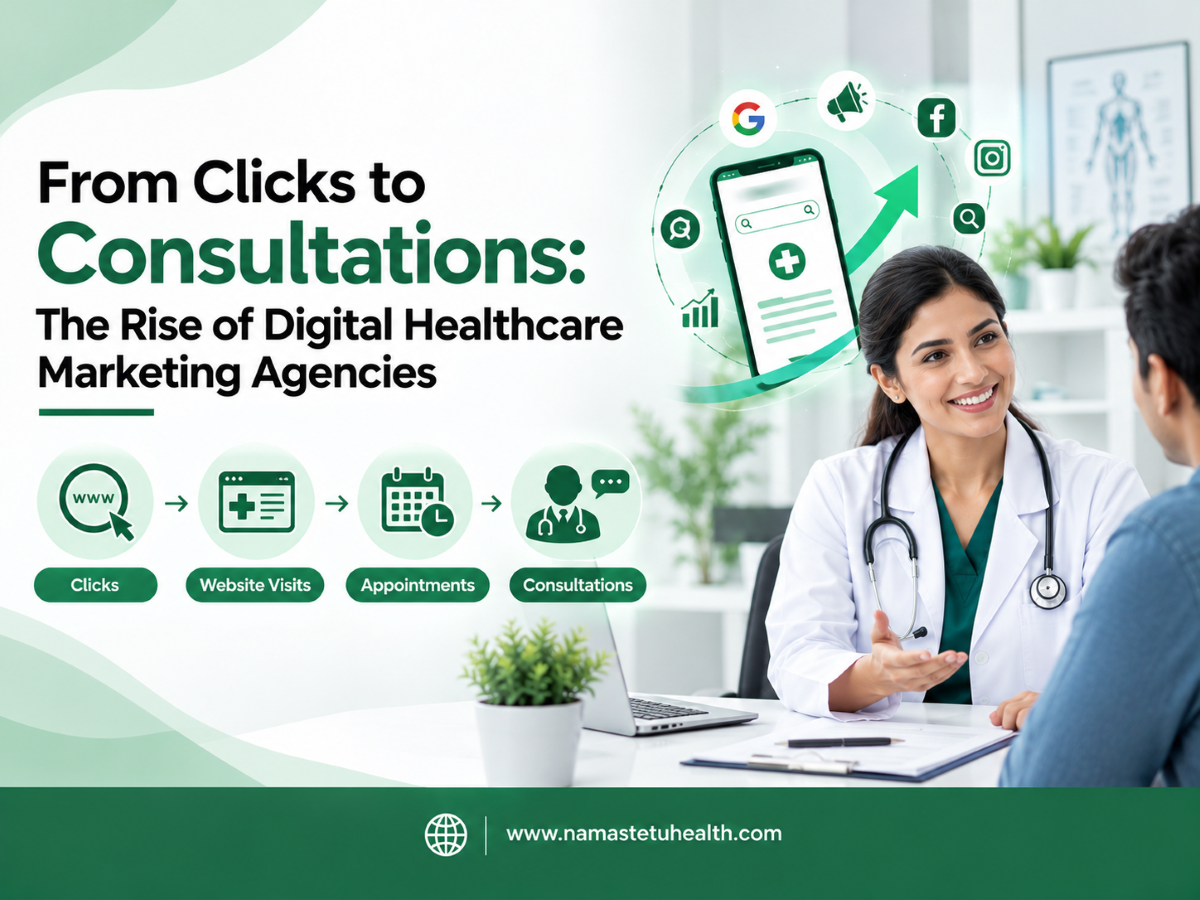
Getting clicks has never been the hard part, turning those clicks into actual booked consultations is where most generic marketing efforts quietly fail in healthcare. A patient clicking an ad for back pain relief expects a landing page that speaks directly to their specific concern, not a vague, general homepage.
This gap between clicks and consultations usually comes down to understanding patient psychology specifically within a medical context, something healthcare-focused agencies build their entire approach around, rather than treating as an afterthought.
Small adjustments often make the biggest difference here, matching a landing page’s tone to the emotional weight of the search, or simplifying a booking form that feels overwhelming to someone already anxious about a health concern.
Building Visibility Through Healthcare-Specific SEO
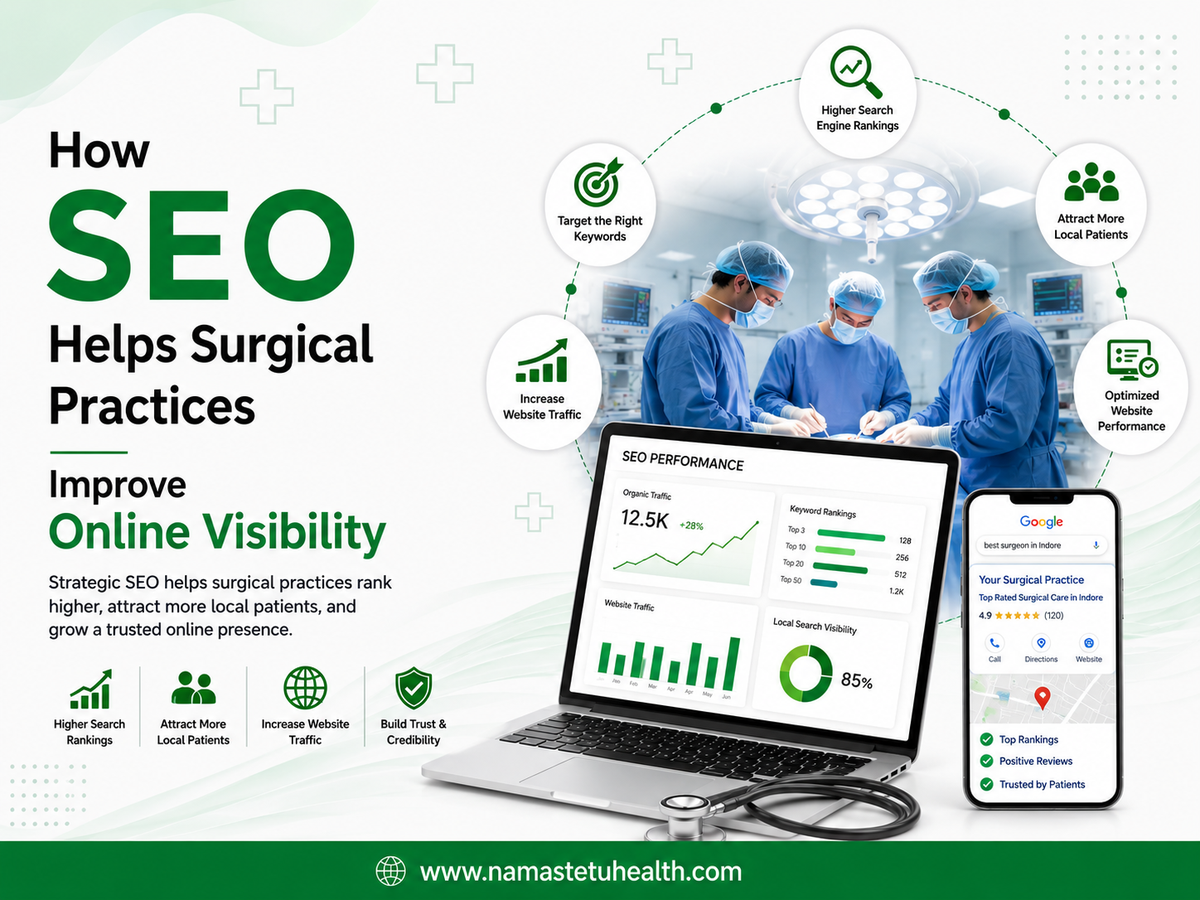
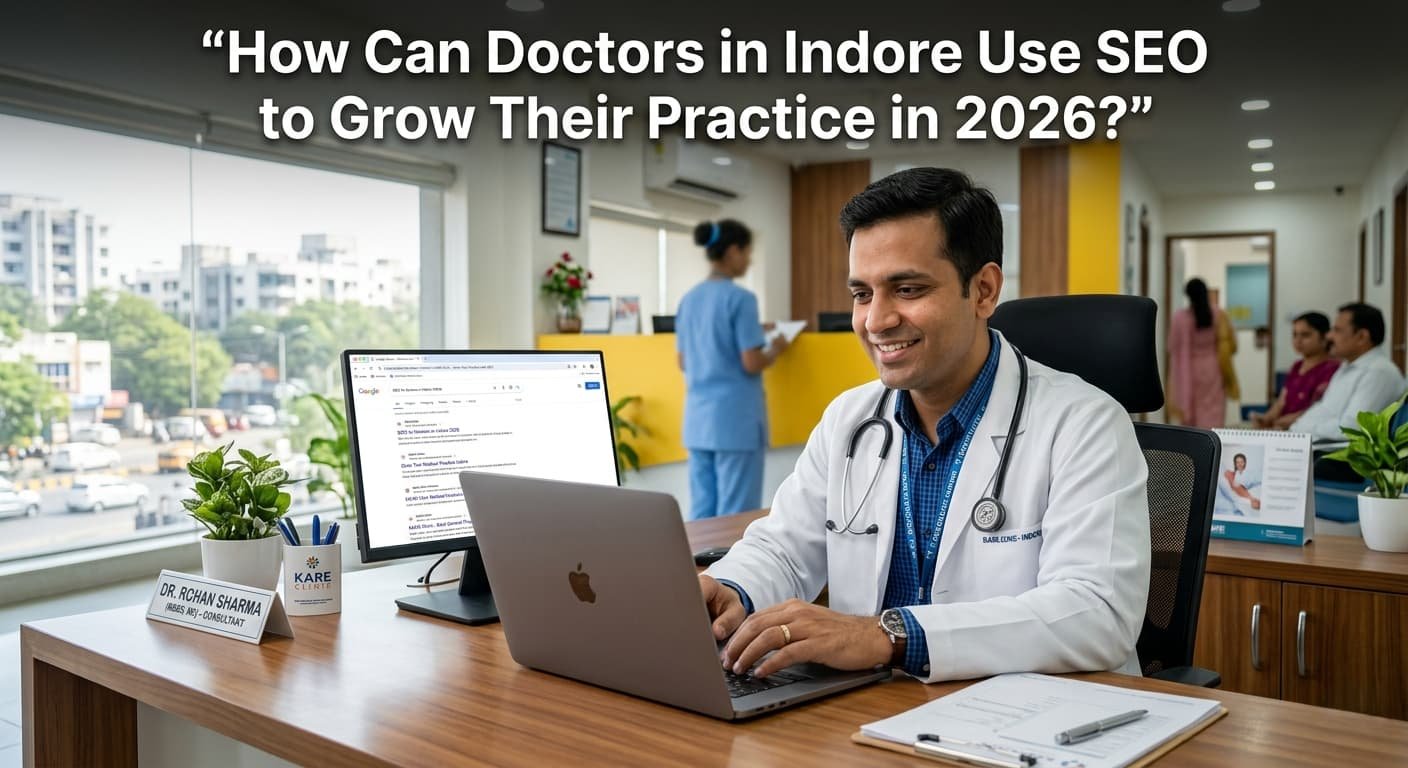
Search visibility for a hospital or clinic depends heavily on factors that barely apply to other industries, like accurate department structuring, doctor credential pages, and content that meets stricter health-content standards search engines apply.
Specialized healthcare SEO services account for these specific requirements from the start, structuring content and technical details in ways that generic SEO approaches often overlook entirely.
Why Paid Advertising Works Differently in Healthcare
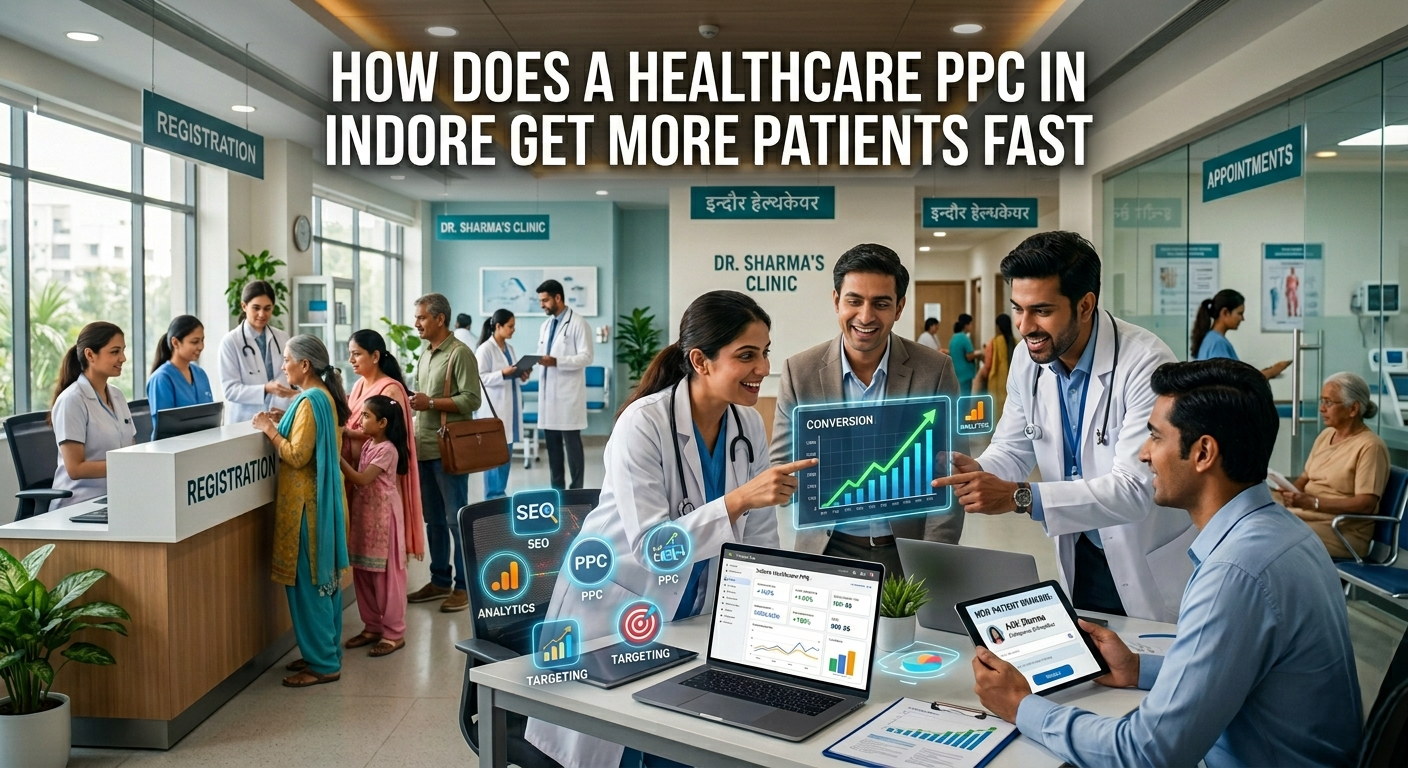
Paid advertising campaigns in healthcare require a level of precision that most generic platforms do not account for by default, since targeting the wrong audience or using inappropriate language around sensitive health topics can actually damage trust rather than build it.
Thoughtful PPC services for healthcare focus heavily on compliant messaging and highly specific audience targeting, understanding that a patient searching for cancer treatment information needs an entirely different approach than someone comparing software subscriptions.
Social Media as a Trust-Building Tool, Not Just Promotion
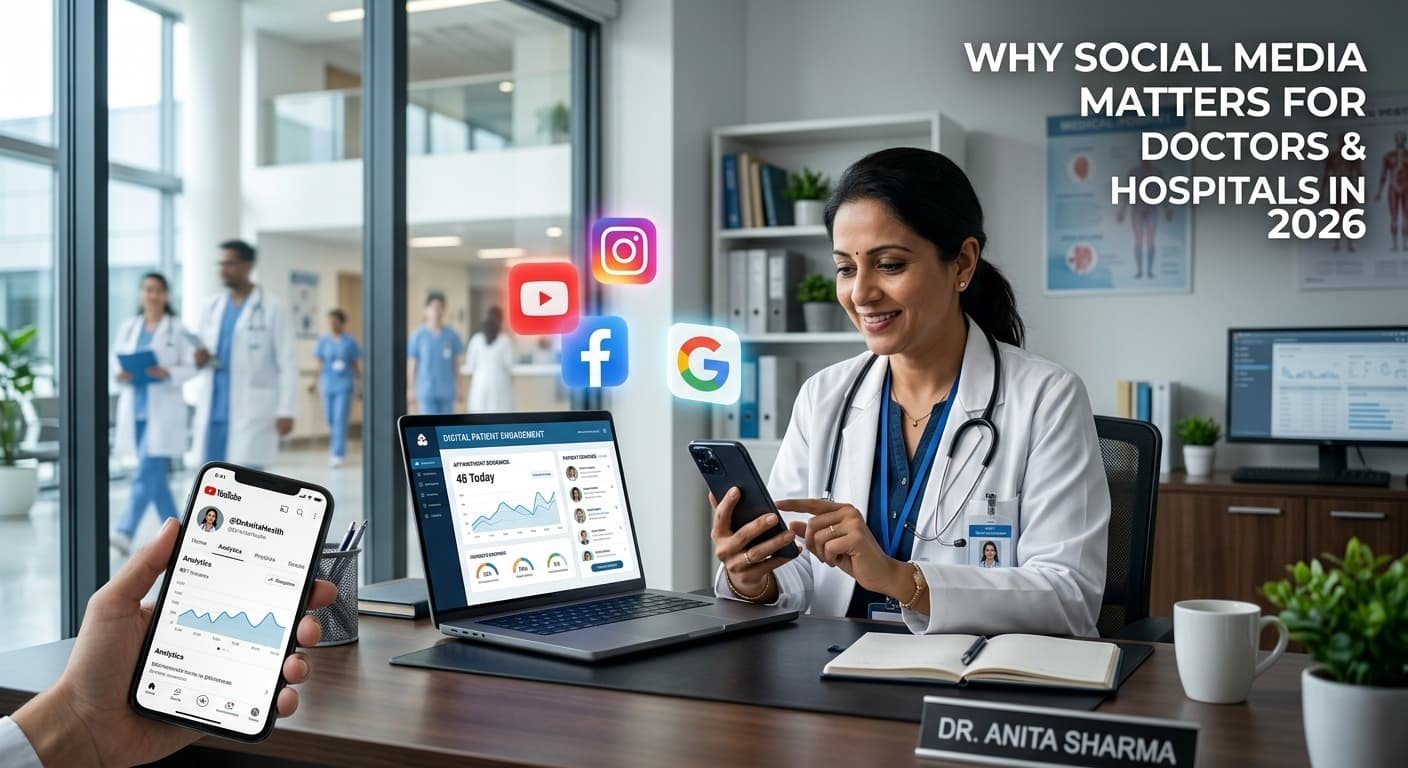
Healthcare social media succeeds when it educates and reassures rather than simply promotes, which is a meaningfully different skill than running a typical brand’s social accounts. Patients respond to genuine, useful information shared consistently over time.
Experienced social media marketing for healthcare teams understand this distinction clearly, building content calendars around patient education and trust rather than product promotion borrowed from unrelated industries.
The Broader Shift Toward Specialized Digital Expertise
Healthcare is far from the only industry seeing this shift toward specialization, but it has happened here with particular urgency, given how directly marketing choices intersect with patient trust, privacy, and genuine wellbeing. What counts as effective marketing now means something quite specific in this field, not a loosely adapted version of retail or hospitality tactics.
This specialization shows up clearly in how campaigns are built, measured, and adjusted, with healthcare-specific benchmarks replacing generic industry averages that rarely apply accurately to medical practices.
Choosing an Agency That Understands This Shift
Selecting the right partner for this work matters more than most practices initially realize, since the wrong agency can waste months of budget on tactics that simply do not translate well into healthcare.
A few signs worth checking before choosing a partner:
- Do they show actual healthcare case studies, not just general marketing results?
- Can they explain how they handle patient privacy and review management specifically?
- Do they understand the difference between promotional content and patient education?
- Can they speak confidently about healthcare-specific search behavior patterns?
Working with the best healthcare digital marketing agency in Indore for your specific market usually means finding a partner who can answer these questions clearly, without vague, generic reassurances.
Where This Trend Is Likely Heading Next
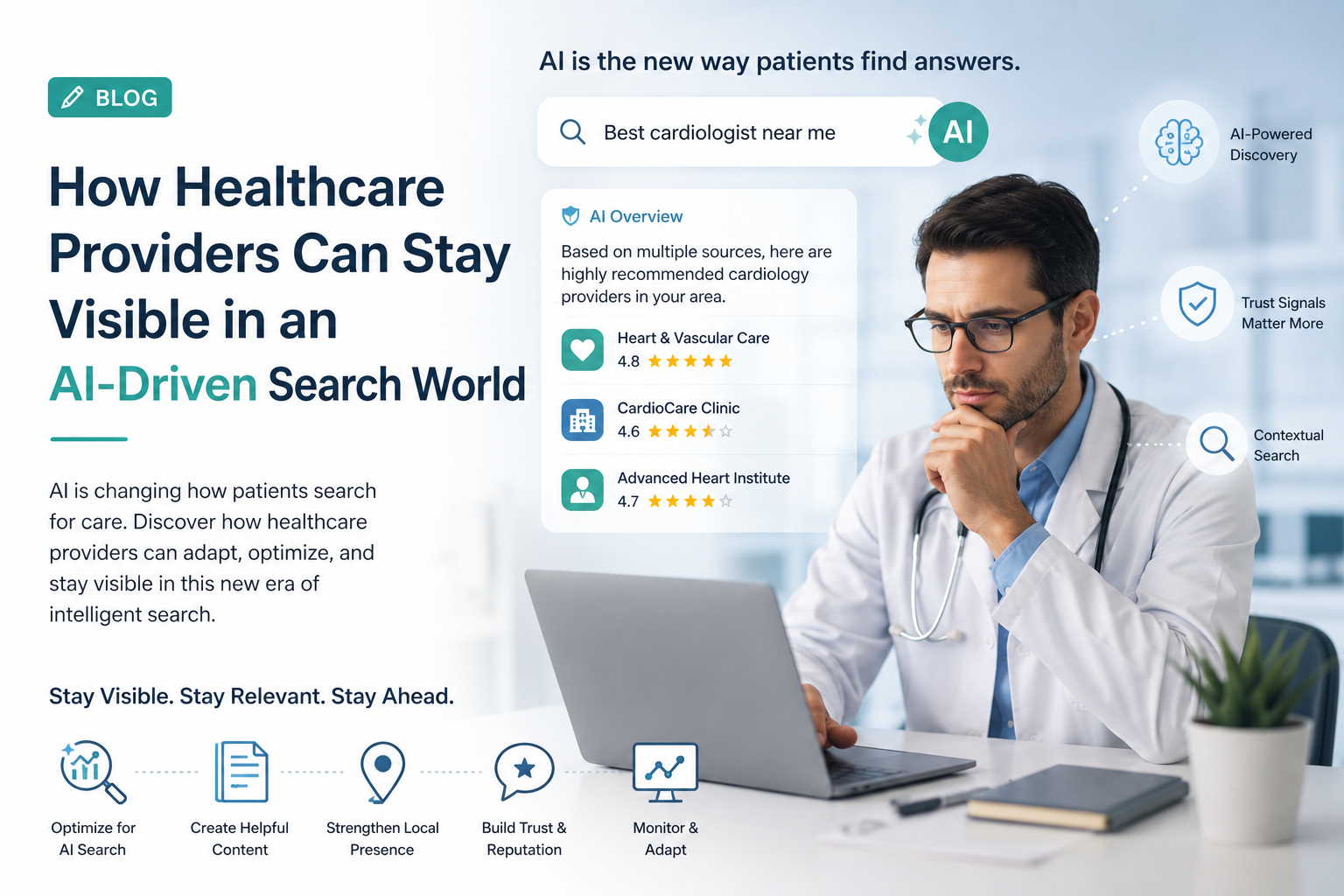
As search engines and AI tools continue evolving how they handle health-related queries, the gap between generic and specialized healthcare marketing is likely to widen further, not narrow. Practices working with agencies that genuinely understand this space will likely pull further ahead of those still relying on generalist approaches.
This widening gap makes the choice of marketing partner less of a minor decision and more of a genuine competitive factor, one that compounds steadily over time rather than evening out on its own.
Questions Healthcare Providers Often Ask About This Shift
1. Why can’t a general marketing agency just learn healthcare specifics over time?
Some can, but the learning curve is steep, and practices often pay for that learning through wasted budget and slower results while the agency figures out healthcare-specific nuances.
2. Is specialized healthcare marketing significantly more expensive than general marketing?
Not necessarily, though the value tends to be noticeably higher, since healthcare-specific expertise usually produces better-qualified leads and fewer wasted campaigns.
3. How can a practice tell if their current agency actually understands healthcare?
Ask them directly about patient privacy handling, review management practices, and whether they can show results specifically from other healthcare clients.
4. Does this shift toward specialization apply equally to small clinics and large hospitals?
Yes, both benefit significantly, though the specific priorities differ, with smaller clinics often needing more local visibility focus and hospitals needing stronger departmental structuring.
5. What is the biggest mistake practices make when choosing a marketing partner?
Choosing based primarily on price rather than healthcare-specific expertise often costs more in wasted effort than the initial savings were ever worth.
Conclusion
The rise of digital healthcare marketing reflects something larger than a passing trend, it reflects patients genuinely changing how they research, compare, and choose care, and practices need partners who understand that shift deeply rather than superficially. Namastetu Health was built specifically around this understanding, treating healthcare marketing as its own discipline rather than a loosely adapted version of general marketing practices.
Contact Namastetu Health to see what healthcare-specific marketing could actually look like for your practice.