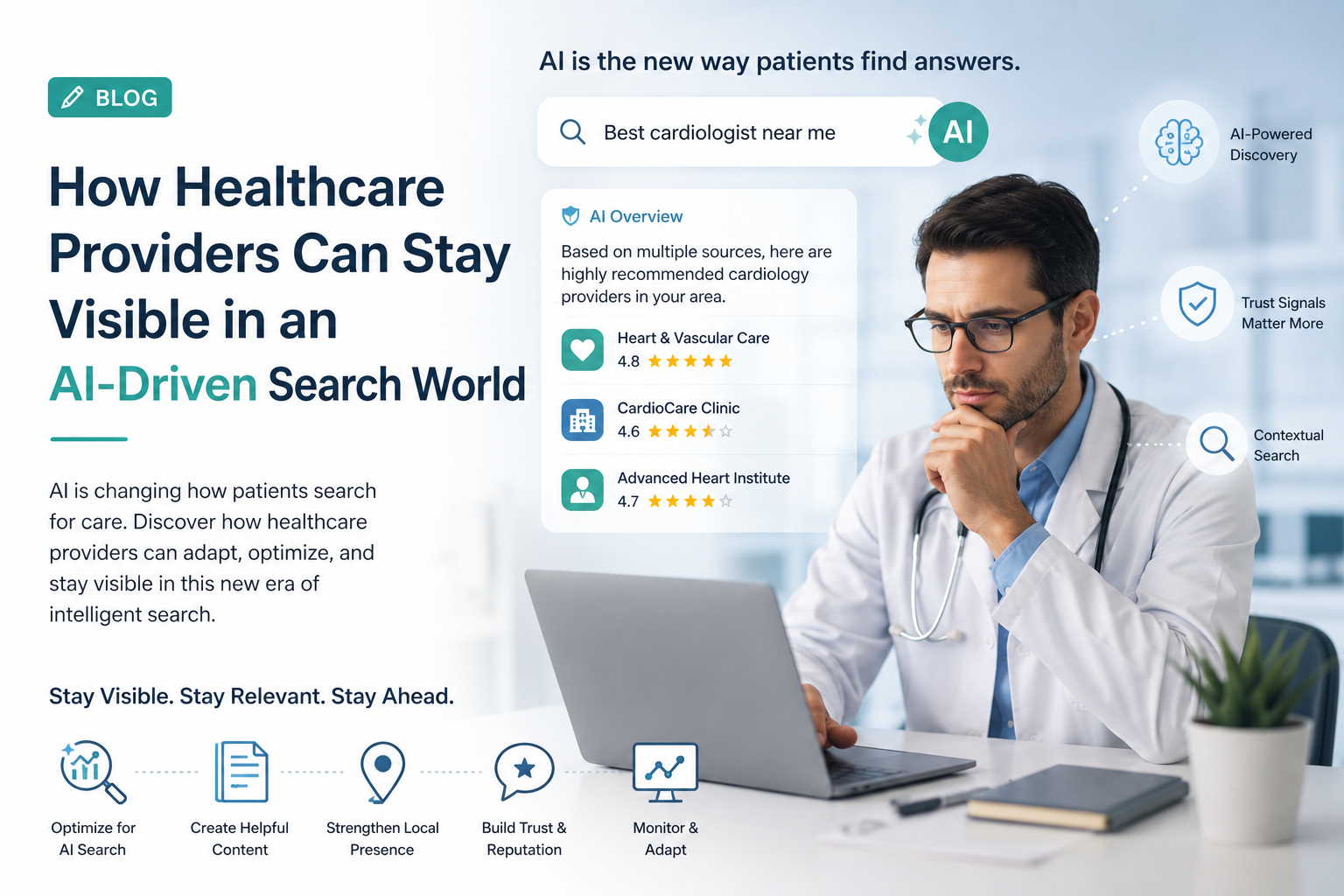
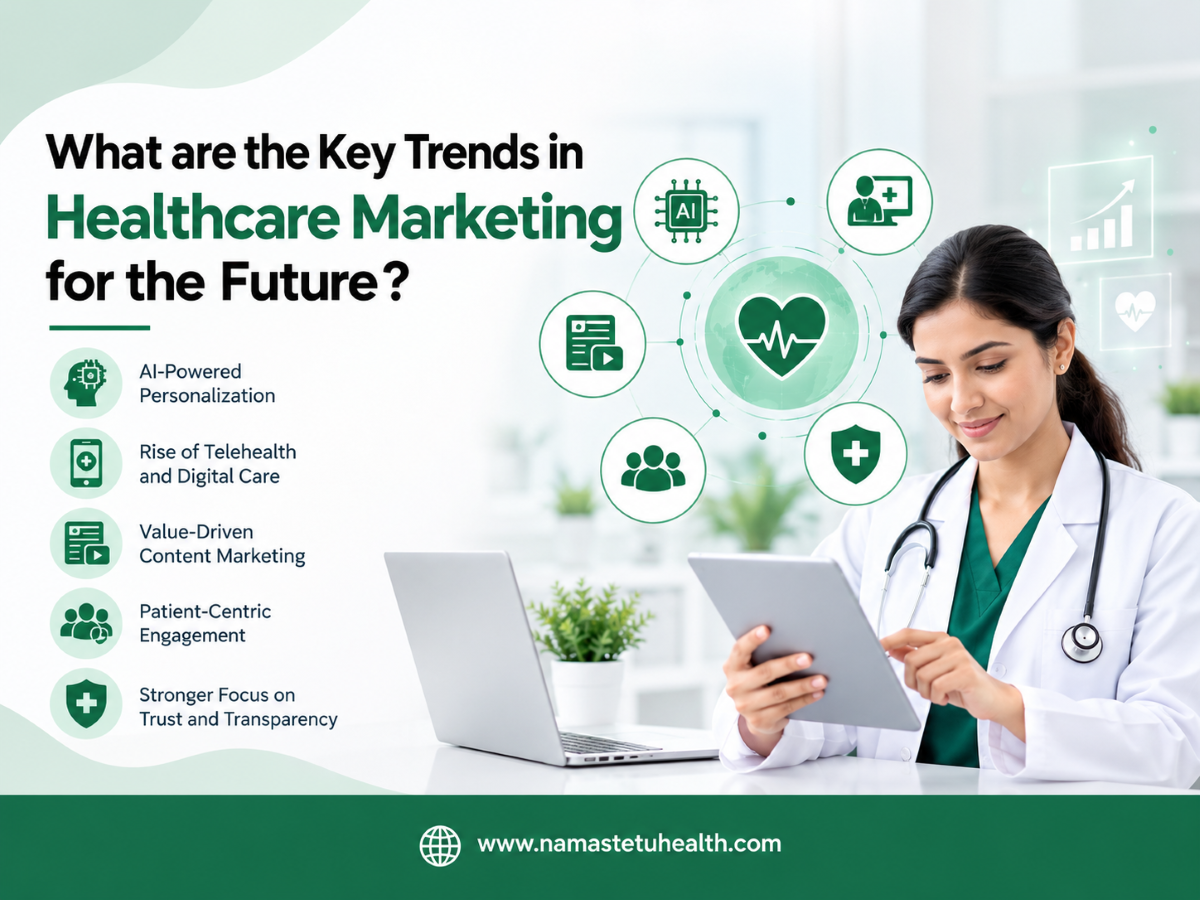
Search results do not look the way they did even two years ago. More and more, when a patient searches for a health question, Google now shows them a short, direct answer right at the top of the page, before they even click on a website. Understanding the key trends in healthcare marketing starts with this one change, since almost everything else follows from it.
Namastetu Health watches these changes closely so the doctors and hospitals we work with are never caught off guard. This blog explains what is actually changing in simple terms, and what a healthcare provider can do differently because of it.
Patients Are Getting Answers Before They Click Anywhere
When someone searches something like “symptoms of high blood pressure,” Google often shows a short summary answer right there on the page, before any website link appears. Many patients read this and move on without ever clicking through to a doctor’s website.
This does not mean websites have stopped mattering. It means the practices whose content already explains things clearly and simply are the ones most likely to be picked for that summary in the first place.
For a doctor or clinic, this makes one thing more important than ever: writing content that answers a patient’s exact question in plain, simple words, right at the start.
Think of it like this: if a patient’s question could be answered in two clear sentences, then two clear sentences is exactly what the page should open with, not three paragraphs of background information first.
Writing Content the Way Patients Actually Read It
Content that works well today looks different from older-style writing. It gets to the point quickly, instead of building up slowly with background information first.
A few simple habits help:
- Answer the patient’s question in the first two or three sentences.
- Use clear headings that match how patients actually phrase their questions.
- Keep paragraphs short and use bullet points where helpful.
- Avoid vague, generic sentences that do not really say anything.
This simple, direct writing style is a big part of good digital marketing in healthcare today, since patients and search engines both prefer content that gets to the answer quickly.
Why Trust and Accuracy Matter More Than Ever
Google treats health information very carefully, since giving someone the wrong medical information can genuinely cause harm. Because of this, Google keeps raising its standards for what health content needs to look like.
In simple terms, Google wants to know that a real, qualified person stands behind what is written, that the information is accurate, and that it is kept up to date.
Practices that publish content without a real doctor’s name attached, or leave old information unchecked for years, often see their visibility quietly drop over time, even without doing anything obviously wrong. A dependable healthcare SEO agency usually catches this early, by reviewing old pages regularly instead of leaving them untouched for years.
Covering a Topic Fully, Not Just Writing One Post
A single blog post about a condition used to be enough to show some expertise. That is no longer really true. Google now prefers to see a practice cover a topic properly, through several related pages that connect to each other.
For a practice, this usually looks like:
- Writing a few pages that cover different parts of the same topic.
- Linking these pages to each other so they feel connected.
- Updating older pages instead of only publishing new ones.
- Letting one real doctor’s knowledge show across all of it.
A trusted healthcare marketing agency Indore doctors rely on usually builds content this way from the start, since a handful of scattered posts rarely competes well against a practice that has covered a topic properly.
Building a Website That Works for Every Visitor
A good healthcare website today needs to work well for two kinds of visitors, actual patients reading it on their phone, and the search engines reading it in the background. Both want the same things: speed, clarity, and simple structure.
A well-built website usually includes:
- Fast-loading pages that work smoothly on a phone.
- Clear headings and short sections that are easy to scan.
- Information organized in a way that is easy to follow.
- A simple, obvious way to call or book an appointment.
Good healthcare website design treats this as a basic requirement now, not something to think about later.
Using Paid Ads Without Feeling Pushy
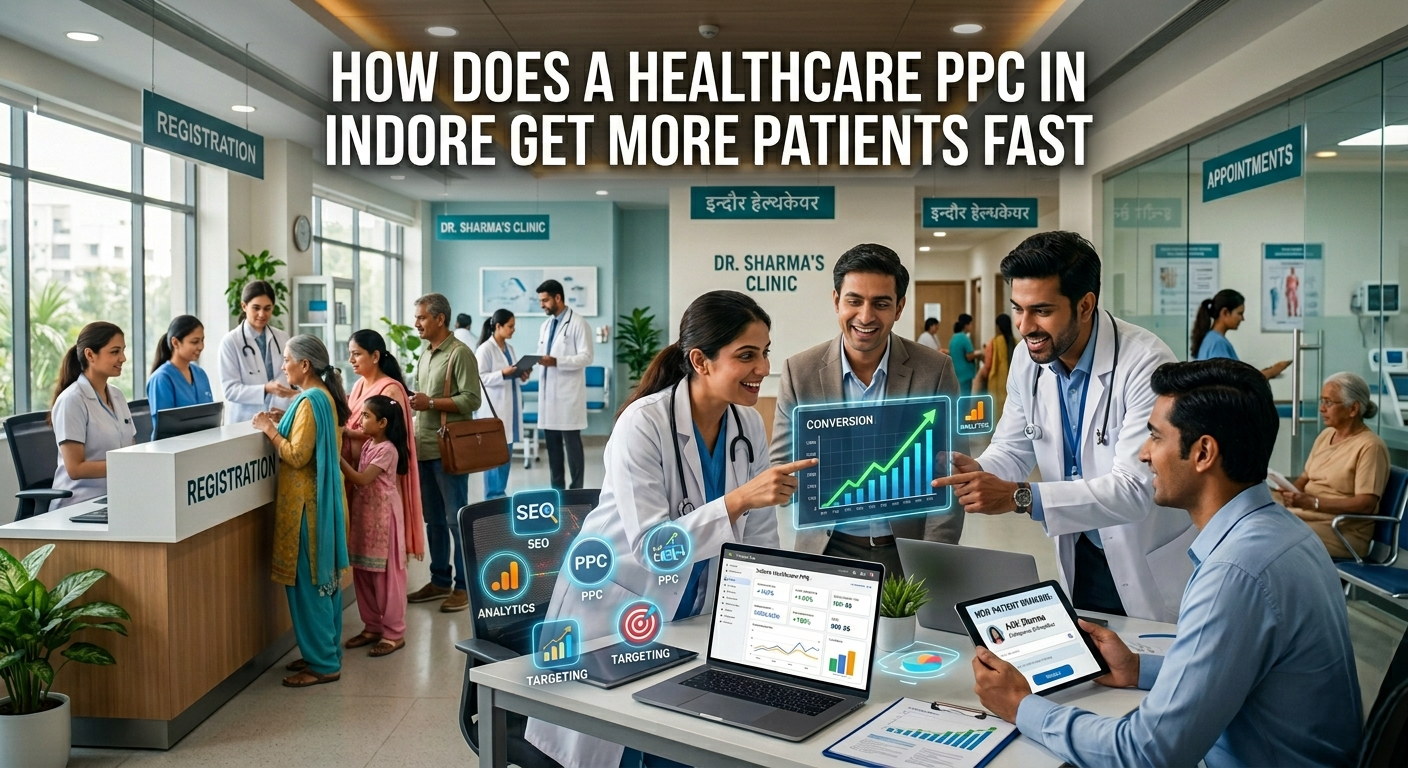
As free search results get pushed further down the page by summary answers, some practices are leaning more on paid ads to stay visible. This works best when the ads feel genuinely helpful, not aggressive.
Good healthcare advertising usually focuses on:
- Specific ads tied to one clear service or concern at a time.
- A landing page that matches exactly what the ad promised.
- Simple, low-pressure wording rather than urgent, pushy language.
- Regular checking of results, since costs and competition change often.
Paid ads work best alongside strong, honest content, not as a replacement for it.
Social Media Becoming a Place to Build Real Trust
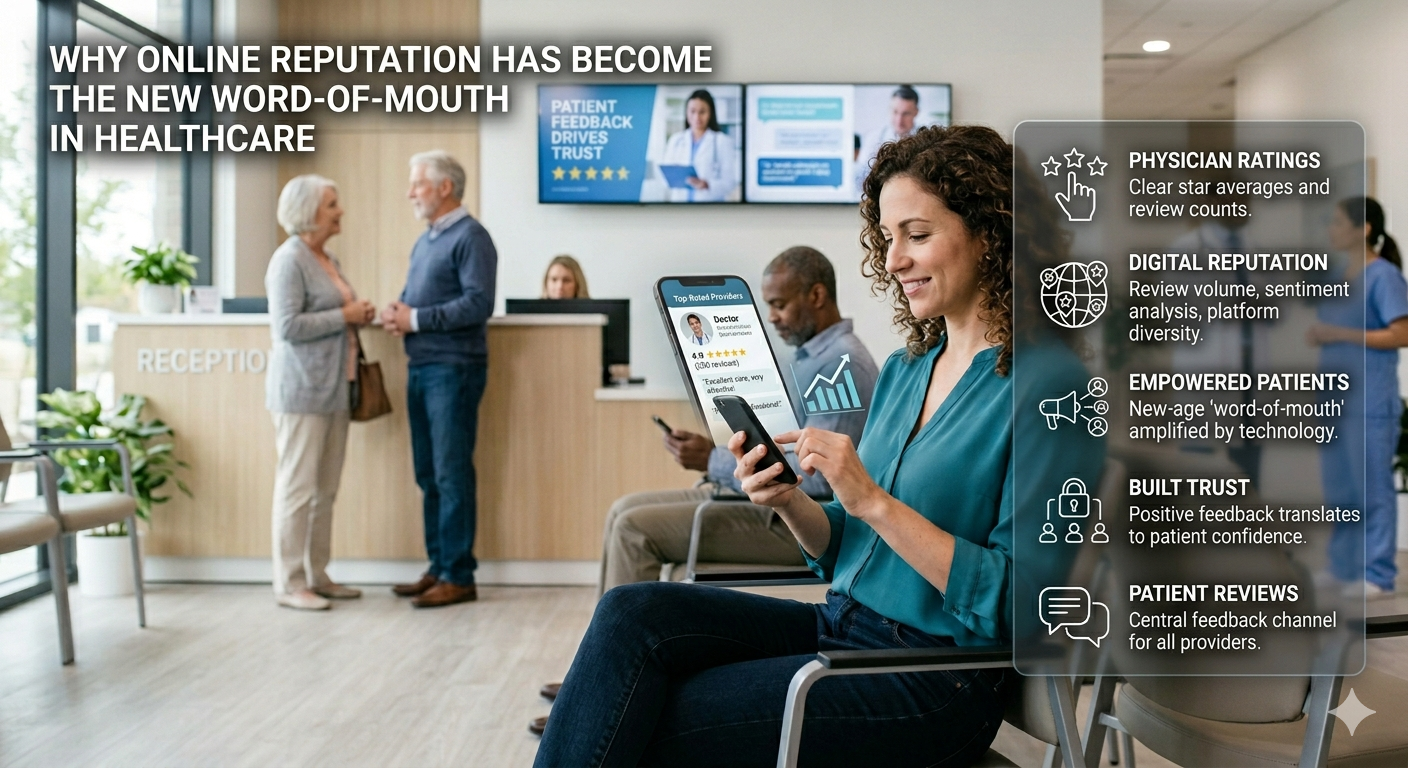
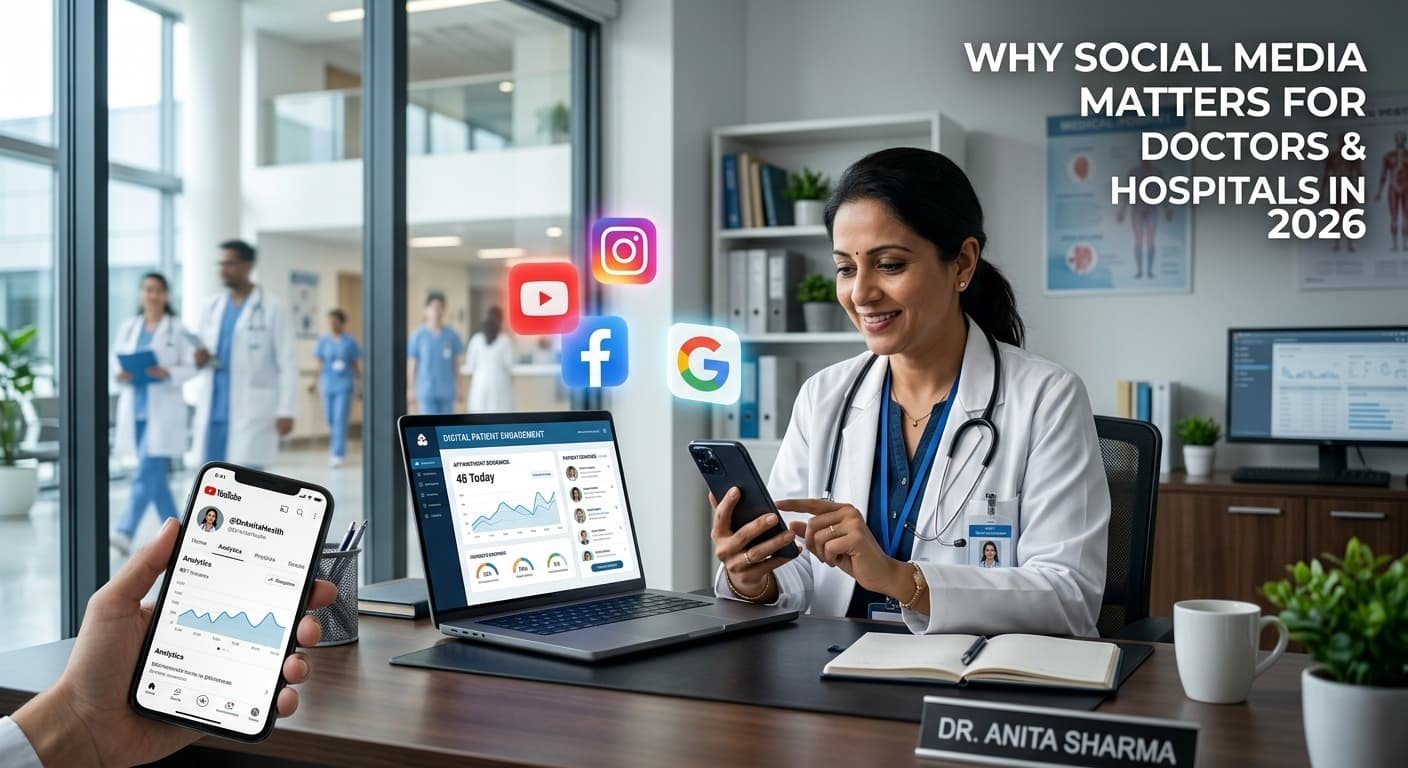
Beyond search, many patients now form their first impression of a doctor or clinic through social media, often before they ever visit a website. This makes steady, honest posting genuinely useful, not just extra work.
A simple, steady approach usually includes:
- Short videos explaining common patient questions in plain language.
- Honest patient stories, shared only with full permission.
- Everyday clinic moments that help patients feel familiar with the practice.
- Quick replies to comments and messages, checked regularly.
Practices running steady social media marketing for healthcare tend to build a kind of recognition that quietly supports everything else they do online.
Quick Checklist for Staying Ahead
None of this needs a complete overhaul overnight, but ignoring it for too long tends to add up quickly, as patients quietly move on to whichever practice answers their question first.
- Write content that answers questions clearly in the first few lines.
- Cover topics fully through a few connected pages, not one isolated post.
- Credit content to a real, named, qualified doctor.
- Keep the website fast, simple, and easy to use on a phone.
- Pair paid ads with genuinely helpful content, not instead of it.
- Stay consistent on social media rather than posting occasionally.
Frequently Asked Questions
1. Do these search changes mean a website no longer matters?
No, the website still matters a great deal, since content that already explains things clearly is exactly what tends to get picked for those short summary answers.
2. How often is Google changing how it ranks health content?
Google has been making these kinds of changes more often than before, which means practices need to check their content and results regularly, not just once a year.
3. Is video becoming more important for reaching patients?
Yes, short, simple videos tend to build trust quickly and work well on both social media and search, especially for explaining a condition or treatment simply.
4. Can a small clinic really keep up with these changes?
Yes, often more easily than a large hospital, especially by focusing on covering a few topics really well instead of trying to write about everything at once.
5. What is the most common mistake practices make here?
Publishing more content without making it clearer or more accurate usually backfires, since quantity alone no longer helps the way it once did.
Conclusion
Search is changing quickly, and the practices adapting now are staying visible while others quietly lose ground without realizing why. Staying ahead of the key trends in healthcare marketing really just means writing clear, honest, well-organized content that genuinely helps a patient find their answer. Small, steady changes today can protect a practice’s visibility well into the future.
Contact Namastetu Health to future-proof your healthcare marketing or get in touch with our team to review your current strategy.