Someone searching for a psychiatrist rarely feels the same way as someone searching for a dentist. There is often hesitation, a bit of fear, and sometimes a long pause before they even type the search. This quiet, careful moment is exactly why how digital marketing can help psychiatry practices grow depends less on loud advertising and more on calm, clear, trustworthy communication.
Namastetu Health works with psychiatrists and mental health clinics who want to reach patients without ever feeling clinical or cold online. This guide covers what actually helps a psychiatry practice grow, and why the usual marketing playbook needs a gentler approach here.
Why Mental Health Searches Are So Different
A patient searching for back pain relief wants a quick answer and a nearby doctor. A patient searching for anxiety treatment often wants something else first: reassurance that they are not alone, and that reaching out is safe.
This emotional layer changes everything about how a psychiatry practice should show up online. A website that feels warm, clear, and free of harsh clinical language earns far more trust than one that reads like a hospital brochure. This is exactly why Digital Marketing for Psychiatry needs a different approach compared to most other medical fields.
Stigma still plays a real role here too. Many patients research quietly, sometimes from a private browser, before they ever consider calling, which means the website often has to do the reassuring work a receptionist would normally do in person.
Building a Website That Feels Safe to Visit
For a psychiatry practice, the website is often the very first place a person tests the waters. If it feels distant or overly formal, many visitors simply leave without ever reaching out.
A website that earns trust usually includes:
- Plain-language descriptions of conditions treated, avoiding heavy clinical terms.
- A warm, personal bio for each psychiatrist, not just credentials.
- Clear information on what a first session actually looks like.
- A private, simple way to ask questions before booking.
- Visible confidentiality and privacy reassurances throughout.
A practice investing in solid Website Development For Psychiatrists usually treats tone as seriously as design, since the wrong words can quietly push a nervous visitor away.
How Digital Marketing Can Help Psychiatry Practices Get Found Without Feeling Like an Advertisement
Search visibility for psychiatry practices depends heavily on how naturally the content answers real concerns, rather than how aggressively it promotes services. People searching for help rarely respond well to anything that feels like a sales pitch.
A few habits that help a practice get found honestly:
- Publishing content that answers real questions, like “is therapy alone enough” or “when should I see a psychiatrist.”
- Keeping a Google Business Profile complete, accurate, and easy to navigate.
- Using local search pages for each city or area served, written in plain language.
- Collecting genuine patient reviews, written with care around privacy.
Good SEO Services For Psychiatrists focus on this kind of steady, honest visibility rather than chasing rankings through aggressive keyword stuffing, which tends to feel wrong for such a sensitive topic. This is really the heart of understanding how digital marketing can help psychiatry practices get discovered without ever feeling pushy.
Content That Answers the Question Behind the Question
Patients rarely search using clinical terms. They search things like “why can’t I sleep” or “why do I feel anxious for no reason,” often without realizing these questions point toward a psychiatric concern at all.
| Search Intent | Underlying Need | Example Content Topic |
| Sleep struggles | Possible anxiety or depression | “Why Am I Struggling to Sleep at Night?” |
| Constant worry | Anxiety disorder concerns | “When Everyday Worry Becomes Anxiety” |
| Low motivation | Depression symptoms | “Understanding Low Energy and Low Mood” |
| Medication questions | Treatment hesitation | “What to Expect When Starting Medication” |
Content written this way tends to perform well not just in search, but also inside AI tools like ChatGPT, since these tools favor clear, calm, directly answered questions over dense clinical writing.
Earning Trust the Way Mental Health Care Requires
Because mental health content can genuinely influence someone in a fragile moment, Google holds it to a stricter standard, often described through Experience, Expertise, Authoritativeness, and Trustworthiness, or E-E-A-T.
A psychiatry practice can meet this bar by:
- Crediting every article to a real, licensed psychiatrist by name.
- Avoiding absolute claims about treatment outcomes or cures.
- Linking to established mental health organizations when relevant.
- Reviewing and updating content regularly as guidelines change.
Strong Branding Services For Psychiatrists treat this careful, honest tone as part of the brand itself, not a separate compliance task handled after the fact.
Protecting and Building Reputation Carefully
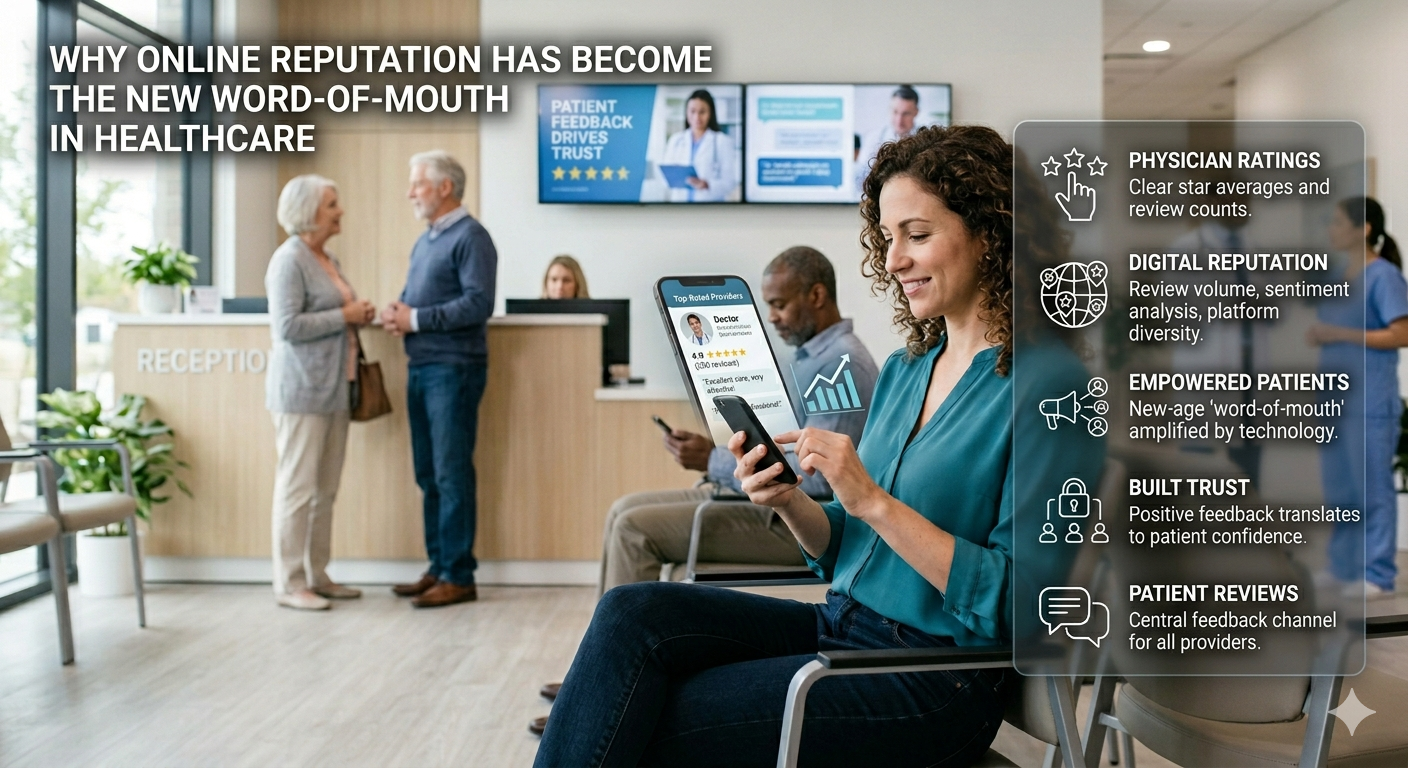
Reviews carry extra weight in mental health care, since a single negative or careless review can discourage someone already unsure about reaching out. At the same time, silence online can feel just as discouraging as a bad review.
A steady reputation approach usually includes:
- Gently inviting satisfied patients to leave a review, without pressure.
- Responding to every review, positive or negative, calmly and professionally.
- Never confirming or denying a specific patient’s care in any public reply.
- Monitoring mentions of the practice across review sites regularly.
Thoughtful Reputation Management For Psychiatrists focuses on consistency and care over volume, since a handful of genuine, thoughtful reviews often build more trust than dozens of generic ones.
Reaching Patients Beyond Organic Search
Organic growth takes time, and many psychiatry practices also use paid visibility to reach patients who need help sooner rather than later. This works best when the ads feel supportive rather than promotional.
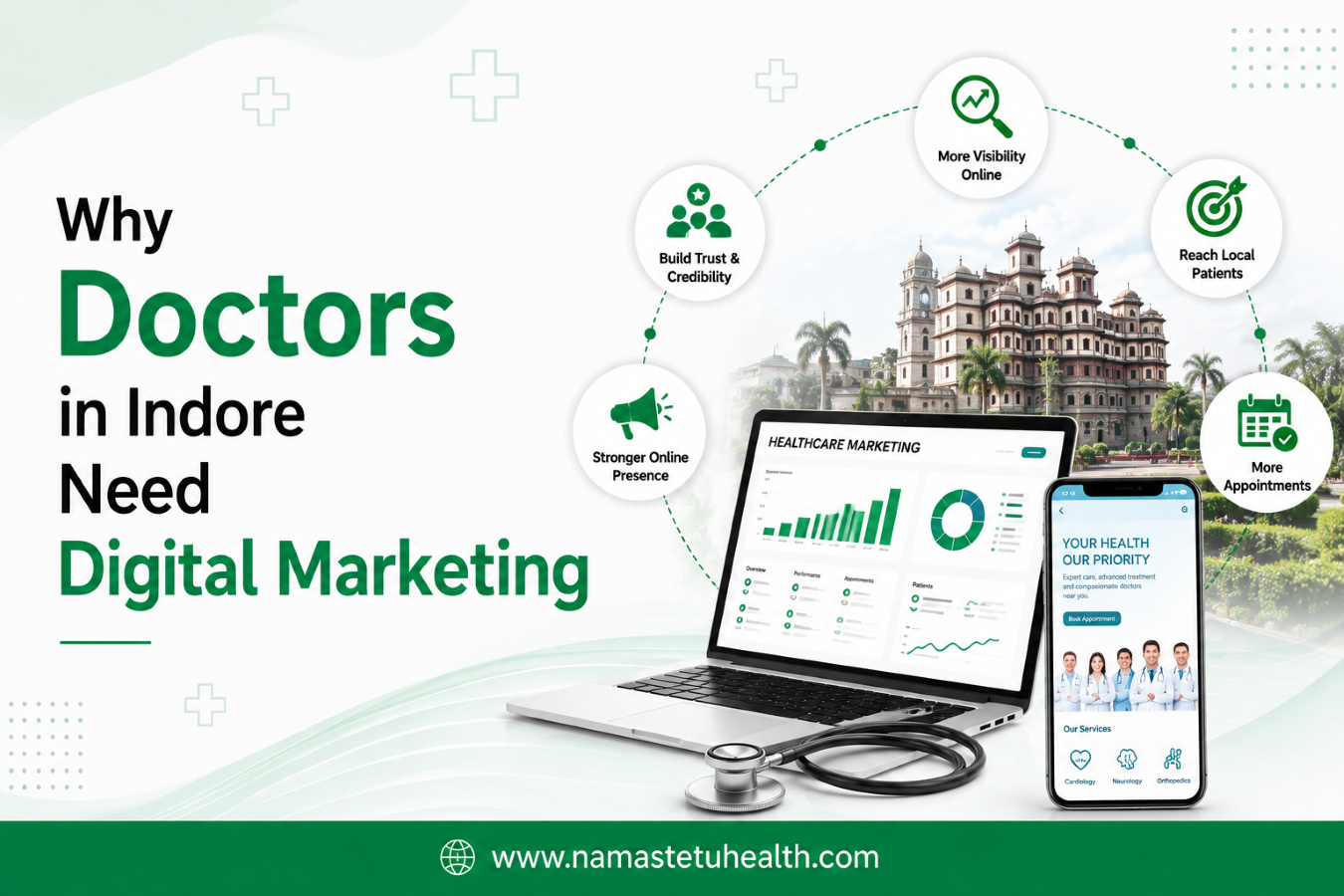
A balanced approach for Digital Marketing for Doctors in Indore often includes:
- Search ads for specific concerns, like “anxiety treatment near me.”
- Simple landing pages matched closely to each ad’s specific topic.
- Retargeting handled gently, avoiding language that feels intrusive.
- Clear, low-pressure calls to action, like “learn more” rather than “buy now.”
This gentler style of Digital Marketing for Healthcare tends to convert better for psychiatry specifically, since pressure and urgency often work against, not for, someone already hesitant to seek help.
Frequently Asked Questions
1. Why does psychiatry marketing need a different approach than other specialties?
Mental health topics carry more emotional weight and stigma, so patients respond better to warm, careful communication than to typical promotional marketing language.
2. How long does it take to see results from psychiatry practice marketing?
Most practices notice steady growth in inquiries within 3 to 6 months, though mental health searches often take longer to convert due to natural hesitation.
3. Should a psychiatry practice actively ask patients for reviews?
Yes, but gently and without pressure, since a calm, optional invitation respects the sensitivity of the care being provided.
4. Is paid advertising appropriate for a psychiatry practice?
Yes, when the messaging stays supportive and low-pressure, paid ads can help reach patients who need care sooner without feeling pushed or targeted.
5. What kind of content works best for attracting psychiatry patients?
Content that answers everyday questions in plain language, like sleep or mood concerns, tends to attract far more genuine interest than heavily clinical articles.
Conclusion
Growing a psychiatry practice online was never really about louder marketing, it was always about earning quiet trust one honest answer at a time. When a practice takes real digital marketing seriously, from warm website copy to careful reputation management, patients notice, and that noticing often becomes the first step someone takes toward getting help. Understanding how digital marketing can help psychiatry practices ultimately comes down to one thing: making the path to care feel a little less intimidating.
If you’re ready to strengthen your practice’s online presence, get in touch with Namastetu Health. Our team can help you create a digital experience that reflects the trust and care your patients are looking for.