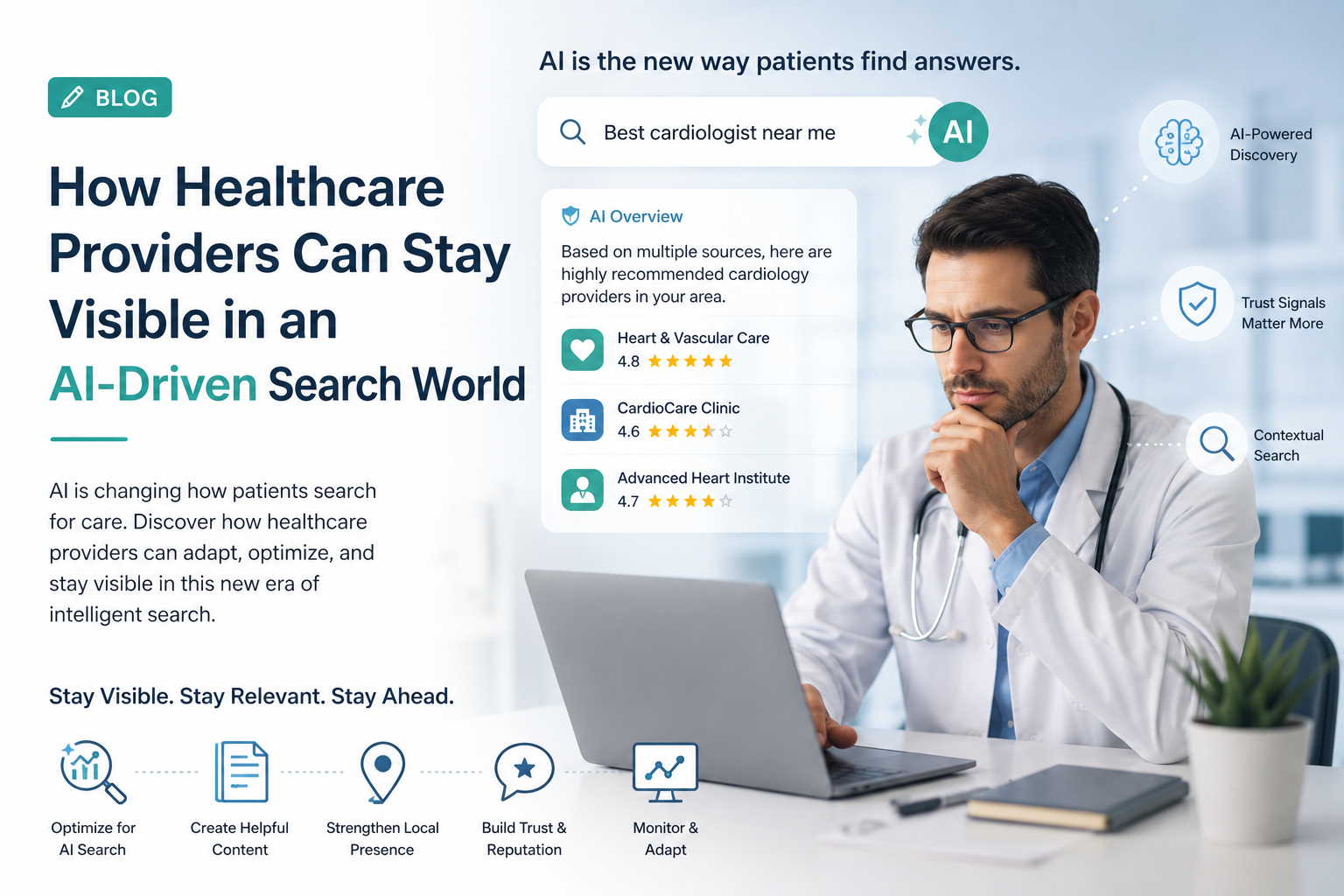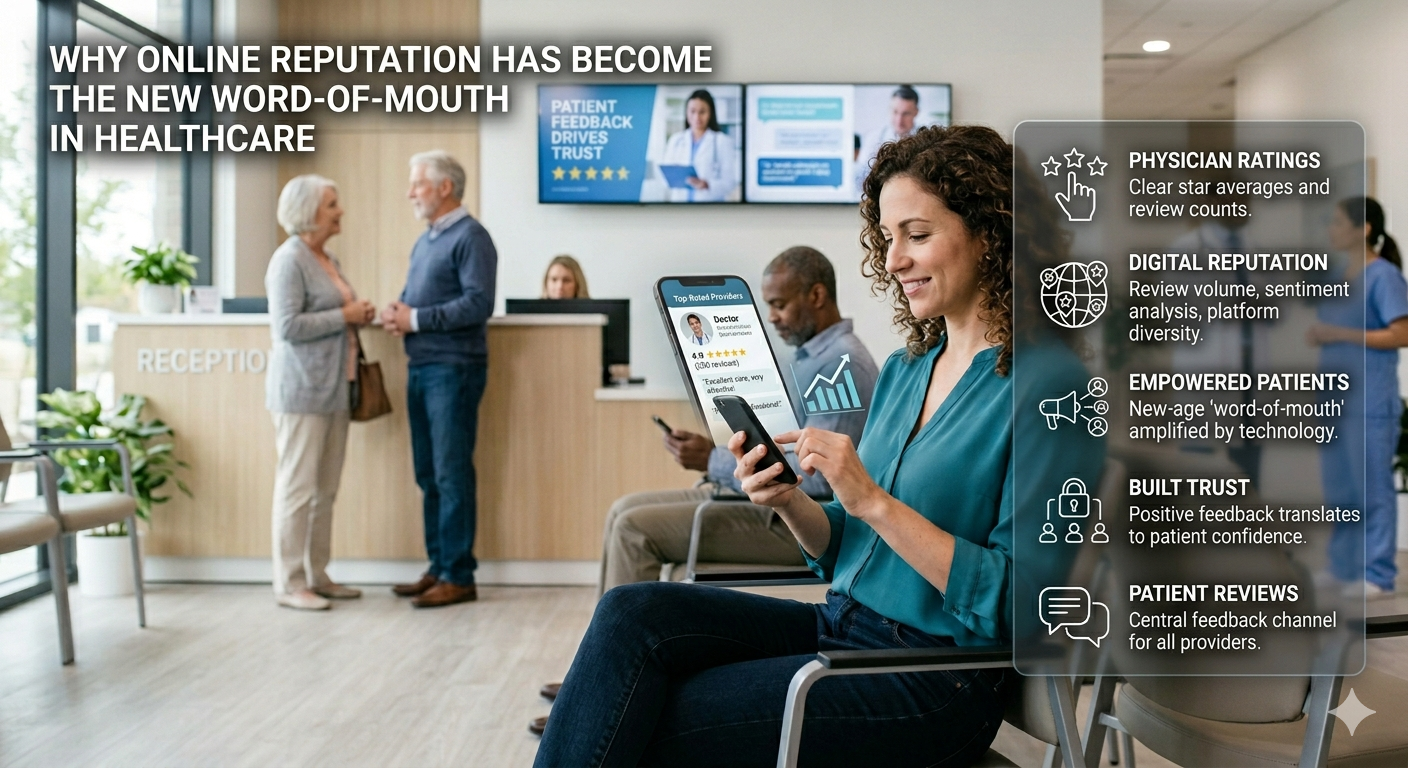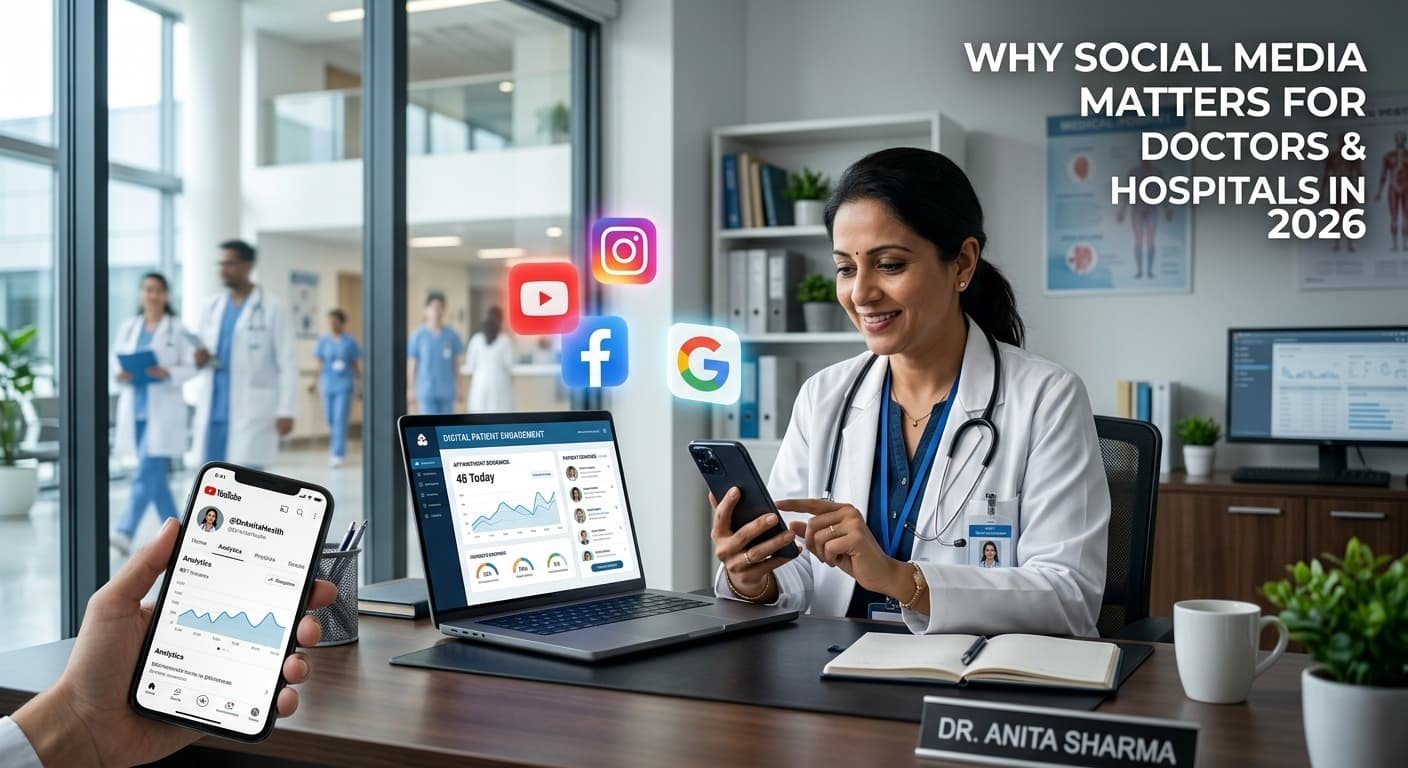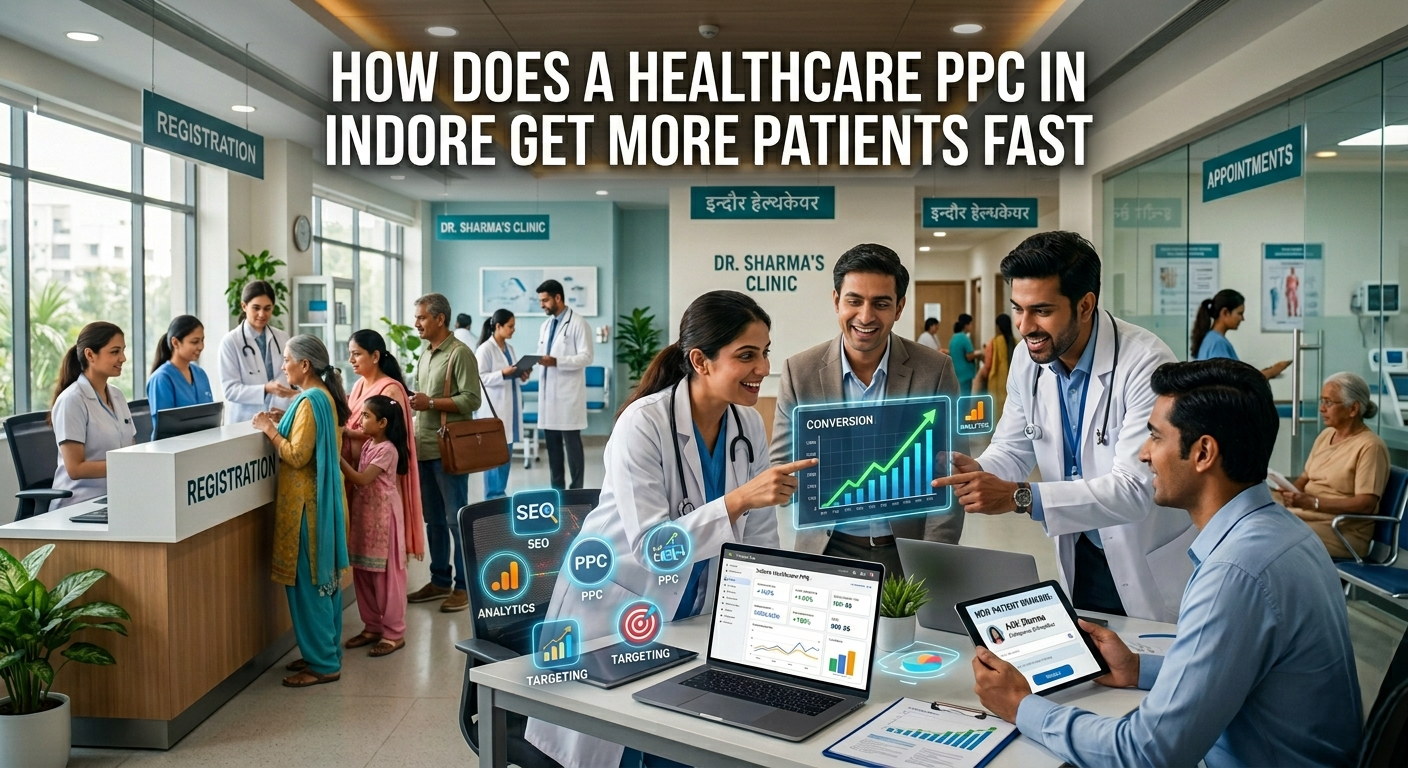

Healthcare marketing is undergoing one of its biggest shifts in years, driven largely by how patients now search for medical information. Traditional typed search is no longer the only way people find doctors, clinics, and health answers, a growing share of queries now happen through AI-generated search results and voice assistants. Patients increasingly ask full, spoken questions instead of typing short keywords, expecting immediate, accurate answers rather than a list of links to click through.
This shift means Strong Digital Marketing for Healthcare must now account for AI search visibility and voice-based patient engagement as core strategy, not optional additions. Practices that continue relying only on traditional SEO risk becoming invisible in these newer, conversational search formats, even if their typed-search rankings remain strong.
Namastetu Health tracks these changes closely, helping practices prepare for this shift with informed, practical strategy rather than reacting after visibility has already declined. This blog breaks down how search is evolving into two distinct paths, and what that means for healthcare providers trying to stay visible in both.
Search Is Quietly Splitting Into Two Different Paths
For years, search meant typing a few words into a box and scanning a list of blue links. That pattern still exists, but a second, very different pattern has grown alongside it: asking a question out loud and expecting a spoken, direct answer.
These two paths behave differently. A typed search tends to be short and clipped, like “flu symptoms,” while a spoken search sounds more like an actual sentence, such as “what are the symptoms of flu and when should I see a doctor.”
A practice built entirely around the first pattern risks becoming invisible in the second, since the exact same information, written the same way, rarely satisfies both kinds of searches equally well.
This is not a small, temporary shift either. As smart speakers and voice assistants become a normal part of daily life, the spoken path is only likely to grow, while the typed path gradually becomes just one option among several.
Why AI-Generated Answers Are Changing What Visibility Means
Search engines increasingly generate their own short, spoken-friendly answers directly on the results page, sometimes reading them aloud entirely through a voice assistant. A patient can get a complete answer without ever opening a website.
This changes what it actually means to rank well. Being listed first no longer guarantees attention if an AI-generated answer sits above it, quietly satisfying the patient’s question before they scroll any further.
Content that answers a full question clearly, in plain, natural language, stands the best chance of being the source pulled into that answer, rather than being skipped entirely.
This puts practices with clear, well-organized content at a real advantage, while dense, jargon-filled pages, even when medically accurate, often get passed over simply because they are harder to summarize cleanly.
Making Individual Doctors Findable in This New Search Reality
As search becomes more conversational, patients increasingly ask for a specific type of specialist rather than a general category of care, such as asking for a doctor who treats a particular condition nearby.
Thoughtful local SEO for doctors matters enormously here, since a well-optimized, detailed profile for each physician helps that specific spoken question find its way to the right person, rather than a generic hospital or clinic listing.
Rewriting Practice Content to Match Natural Speech
Content written for this new environment needs to sound like an actual answer to a real question, not a stiff, formal medical description. The tone matters just as much as the information itself.
A few practical habits help:
- Opening each page with a direct, complete answer to one specific question.
- Using natural, question-style headings throughout the page.
- Keeping sentences short enough to be read aloud clearly and simply.
- Including practical details, like hours and location, near the top.
Genuine Digital Marketing for Doctors today treats this rewriting work as essential, not optional, since content still written in stiff, clinical language tends to get quietly skipped in this new search environment.
Local Search as the Foundation Behind Every Spoken Answer
Almost every voice-based health search carries a local intent behind it, even when the patient does not say a city or area out loud. Asking “find a clinic open now” only works if the underlying local information is accurate and complete.
Solid healthcare SEO services now treat this local accuracy as foundational, since a single outdated phone number or incorrect address can quietly break an otherwise perfect voice search result.
It is a small detail with a surprisingly large impact, since a voice assistant reading out an outdated address does far more damage to trust than simply not showing up in a typed search list would.
Choosing the Right Support for This Shifting Landscape
Keeping up with these changes takes ongoing attention that most healthcare providers simply do not have time for alongside running a busy practice. Having the right support behind this effort makes a real difference.
Working with the best healthcare digital marketing agency in Indore for your specific area usually means having a partner who tracks these shifts closely and adjusts strategy before a practice starts falling behind competitors who move faster.
Preparing Today for a Search Landscape That Keeps Changing
None of these changes demand an overnight transformation, but treating them as optional for too long tends to cost a practice quiet, steady visibility over time. Small, consistent adjustments tend to work far better than one large, delayed effort.
Practices that start early also tend to have an easier time adjusting, since building conversational, well-structured content gradually is far less overwhelming than trying to rewrite an entire website all at once, months after competitors have already adapted.
A practical starting point includes:
- Rewriting a handful of key pages as direct answers to full questions.
- Building or improving individual profiles for each provider.
- Keeping local business details accurate across every online listing.
- Reviewing search performance every few months, not just once a year.
Common Questions About the Future of Healthcare Marketing
1. How different is voice search really from typing a search query?
Voice searches tend to be longer and more conversational, often phrased as complete questions, which means content needs to answer full questions rather than short keyword phrases.
2. Are AI-generated search answers only relevant for large hospitals?
No, smaller practices can benefit just as much, especially by focusing on clear, direct answers to specific questions their exact patients are likely to ask.
3. Does every healthcare provider need a strategy for voice search right now?
Not urgently, but providers who start adapting content and local details early tend to stay ahead of the shift rather than scrambling to catch up later.
4. How does local SEO connect to voice-based patient searches?
Very closely, since most spoken health searches carry local intent, meaning accurate business details directly affect whether a voice answer includes a practice at all.
5. What is the easiest first step for a busy practice to take?
Reviewing and rewriting a few key pages to directly answer common patient questions is usually the simplest, most effective place to begin.
Conclusion
The way patients search for care is changing quietly but steadily, moving from typed keywords toward natural, spoken questions that expect clear, immediate answers. The future of healthcare marketing belongs to practices willing to meet patients in this more conversational format, rather than continuing to write only for the search patterns of a few years ago. Small, thoughtful changes made now can keep a practice visible and trusted as this shift continues.
Ask Namastetu Health how voice search might be changing your visibility or talk to our team about preparing your practice for what’s ahead.