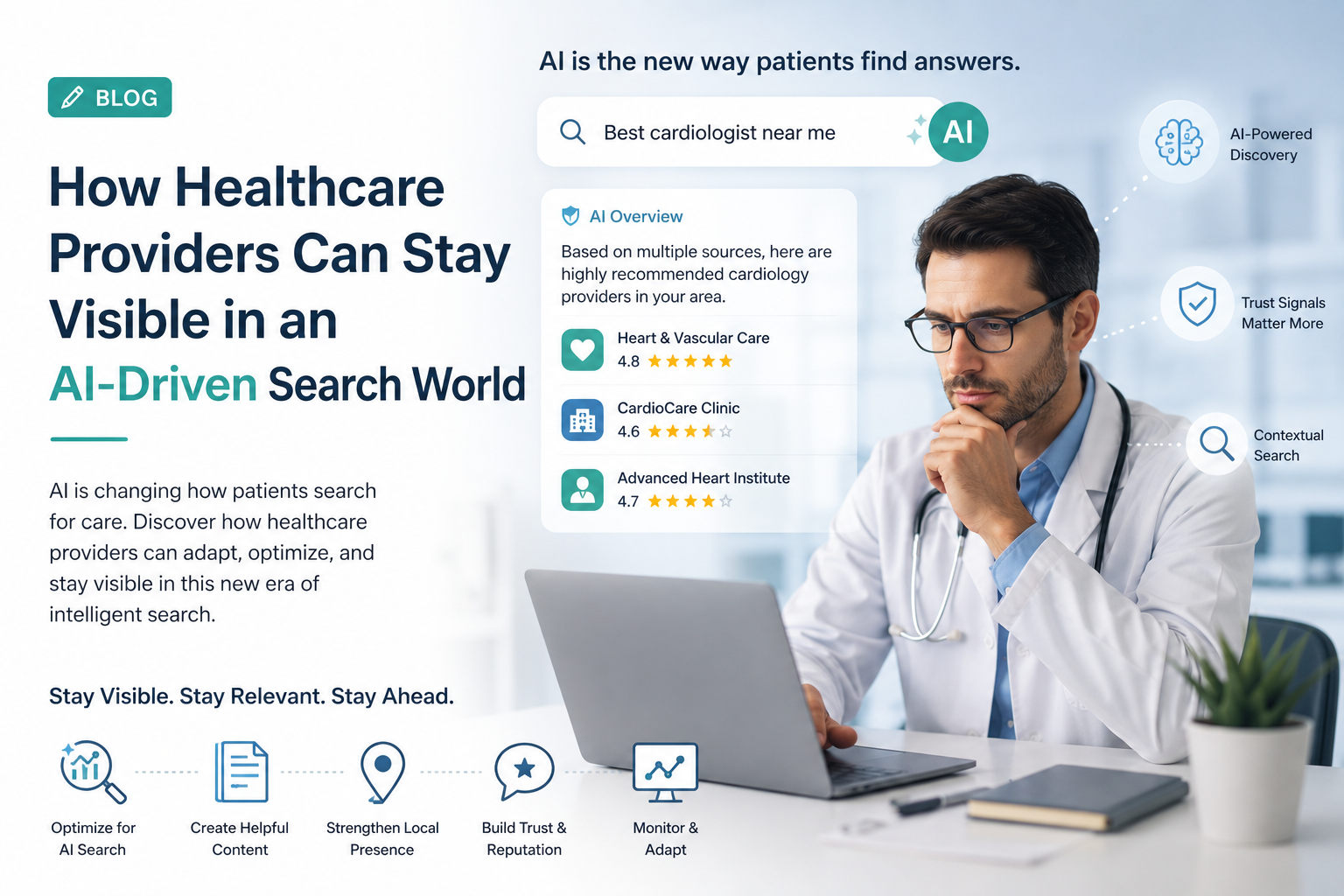
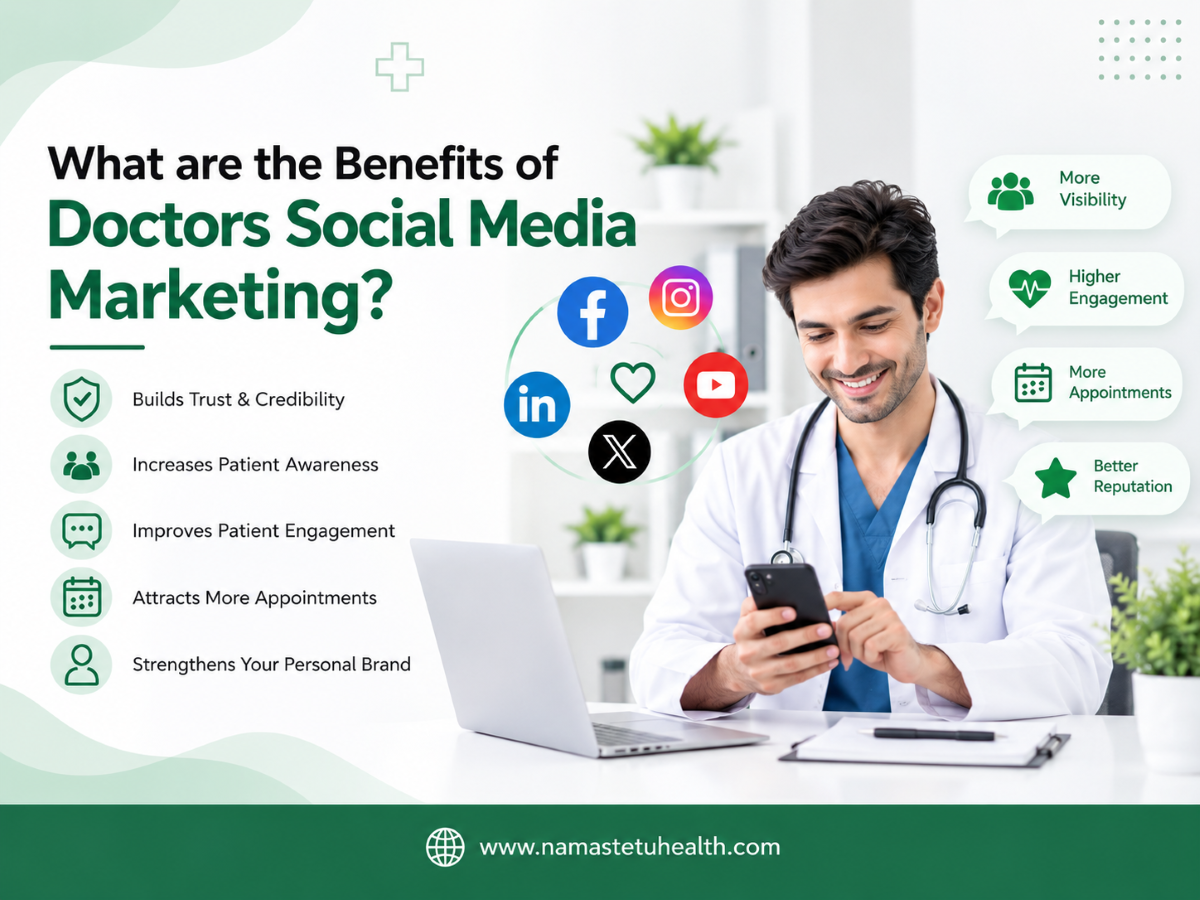
A patient scrolling through Instagram late at night, worried about a symptom, is far more likely to land on a doctor’s reel explaining it than to open a medical textbook. This is where the benefits of doctors social media marketing start to show, not as a trend to follow, but as a way to actually reach patients where they already are.
At Namastetu Health, having worked with doctors across different specialties, we’ve seen how a well-run social media presence does more than just get likes, it builds trust before a patient even books their first appointment. In this guide, we’ll walk through the real, practical benefits doctors gain from social media marketing, from stronger patient relationships to steady, long-term practice growth.
Increased Visibility and Brand Awareness
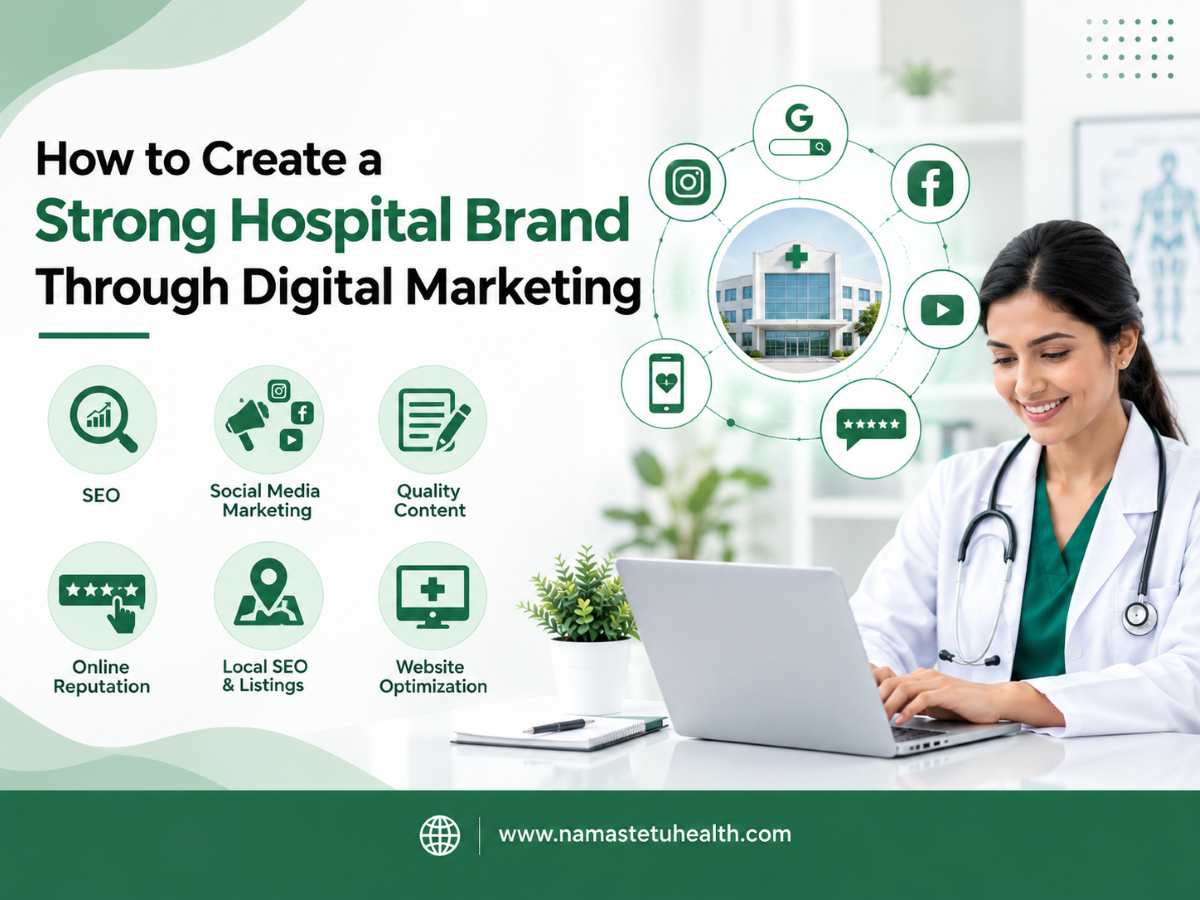
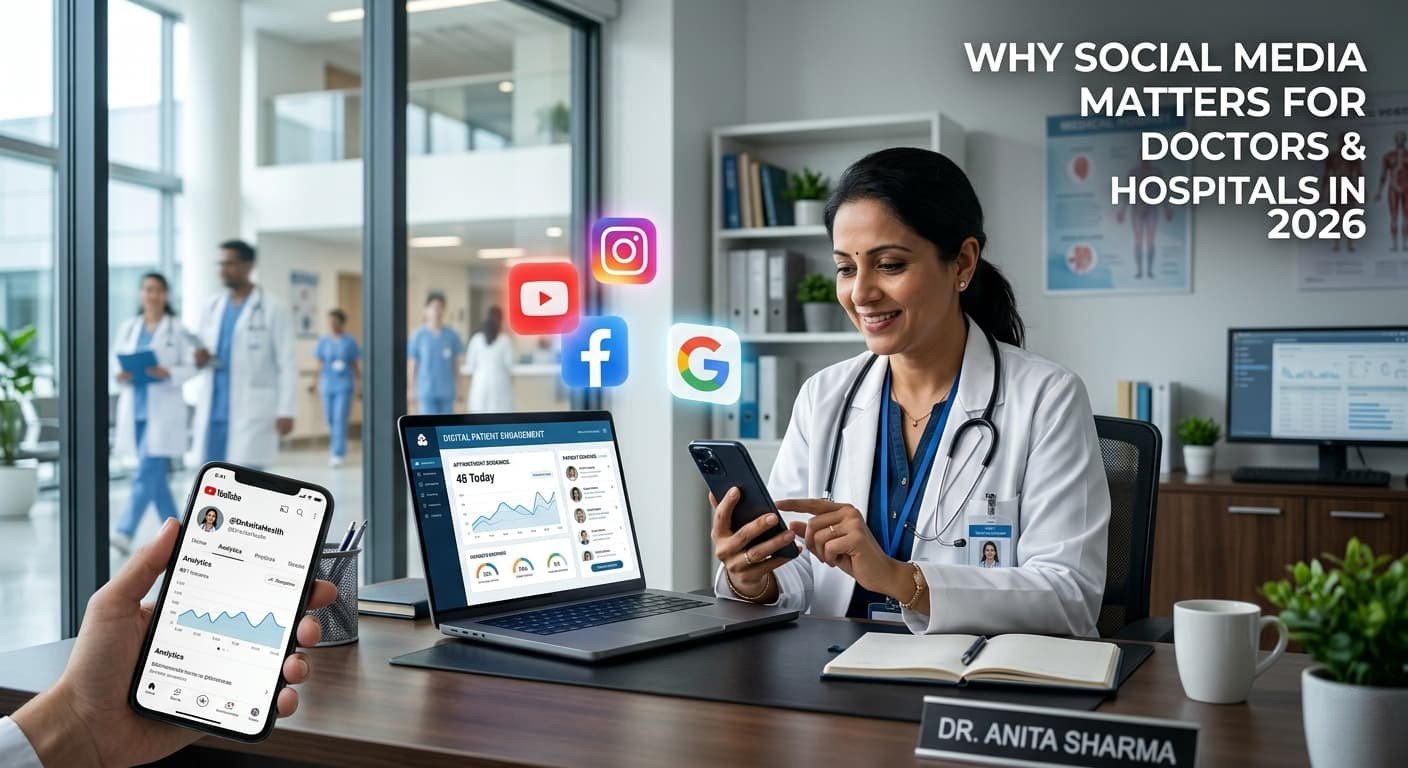
One of the primary advantages of social media marketing for doctors is the ability to significantly boost their visibility and brand awareness. In an increasingly competitive healthcare landscape, standing out from the crowd is crucial. By maintaining active profiles on platforms like Facebook, Instagram, Twitter, and LinkedIn, medical professionals can:
- Reach a wider audience: Social media platforms have billions of users worldwide, providing an enormous potential patient base.
- Showcase expertise: Sharing informative content helps establish doctors as thought leaders in their field.
- Humanize the practice: Personal posts and behind-the-scenes content can help patients connect with doctors on a more personal level.
- Increase website traffic: Social media posts can drive traffic to the doctor’s website, improving overall online visibility.
Enhanced Patient Education and Engagement
Social media provides an excellent platform for doctors to educate and engage with patients beyond the confines of the clinic. By sharing valuable health information, doctors can:
- Promote preventive care: Regular posts about healthy lifestyles, vaccination reminders, and screening recommendations can encourage patients to take proactive steps in managing their health.
- Address common health concerns: Answering frequently asked questions or debunking health myths can help alleviate patient anxieties and improve health literacy.
- Share latest medical advancements: Keeping patients informed about new treatments or research findings can foster trust and demonstrate the doctor’s commitment to staying current in their field.
- Encourage patient participation: Interactive content like polls, quizzes, or Q&A sessions can boost patient engagement and foster a sense of community.
Improved Patient Trust and Relationship Building
Building trust is crucial in the doctor-patient relationship. Social media marketing can play a significant role in fostering trust and strengthening relationships by:
- Demonstrating transparency: Sharing practice updates, introducing staff members, or discussing the doctor’s approach to patient care can help build credibility.
- Showcasing patient testimonials: With proper consent, sharing positive patient experiences can provide social proof and build trust with potential patients.
- Responding to patient concerns: Promptly addressing questions or concerns on social media platforms demonstrates responsiveness and care.
- Humanizing the medical practice: Sharing personal anecdotes or celebrating milestones can help patients see the human side of healthcare providers.
Working with an experienced digital marketing agency for doctors can make this process even more effective, helping practices stay consistent, authentic, and genuinely connected with their patients.
Efficient Patient Communication
Social media platforms offer efficient channels for communicating important information to patients, such as:
- Practice updates: Announcing changes in office hours, new services, or staff additions keeps patients informed.
- Health alerts: Quickly disseminating information about local health concerns, outbreaks, or seasonal health tips can help protect the community.
- Appointment reminders: While maintaining patient privacy, general reminders about scheduling check-ups or follow-ups can improve patient compliance.
- Emergency information: During crises or natural disasters, social media can be a vital tool for sharing emergency protocols or important health advisories.
Targeted Marketing and Patient Acquisition
Social media marketing allows doctors to reach specific demographics or patient groups more effectively. This targeted approach can lead to:
- Increased patient acquisition: By tailoring content to specific audience segments, doctors can attract patients who are most likely to benefit from their services.
- Cost-effective advertising: Compared to traditional marketing methods, social media advertising often provides a higher return on investment.
- Geo-targeting: Focusing on local audiences can help attract patients within the practice’s service area.
- Specialized service promotion: Highlighting specific treatments or specialties can attract patients seeking those particular services.
Professional Networking and Collaboration
For doctors, social media isn’t just about connecting with patients. It’s also an invaluable tool for professional networking and collaboration:
- Connecting with colleagues: Platforms like LinkedIn allow doctors to build professional relationships with peers, potentially leading to referrals or collaborations.
- Staying informed: Following medical journals, professional associations, and thought leaders helps doctors stay up-to-date with the latest developments in their field.
- Participating in medical discussions: Engaging in professional forums or Twitter chats can provide opportunities for knowledge sharing and professional growth.
- Attracting talent: A strong social media presence can help attract skilled healthcare professionals to join the practice
Reputation Management
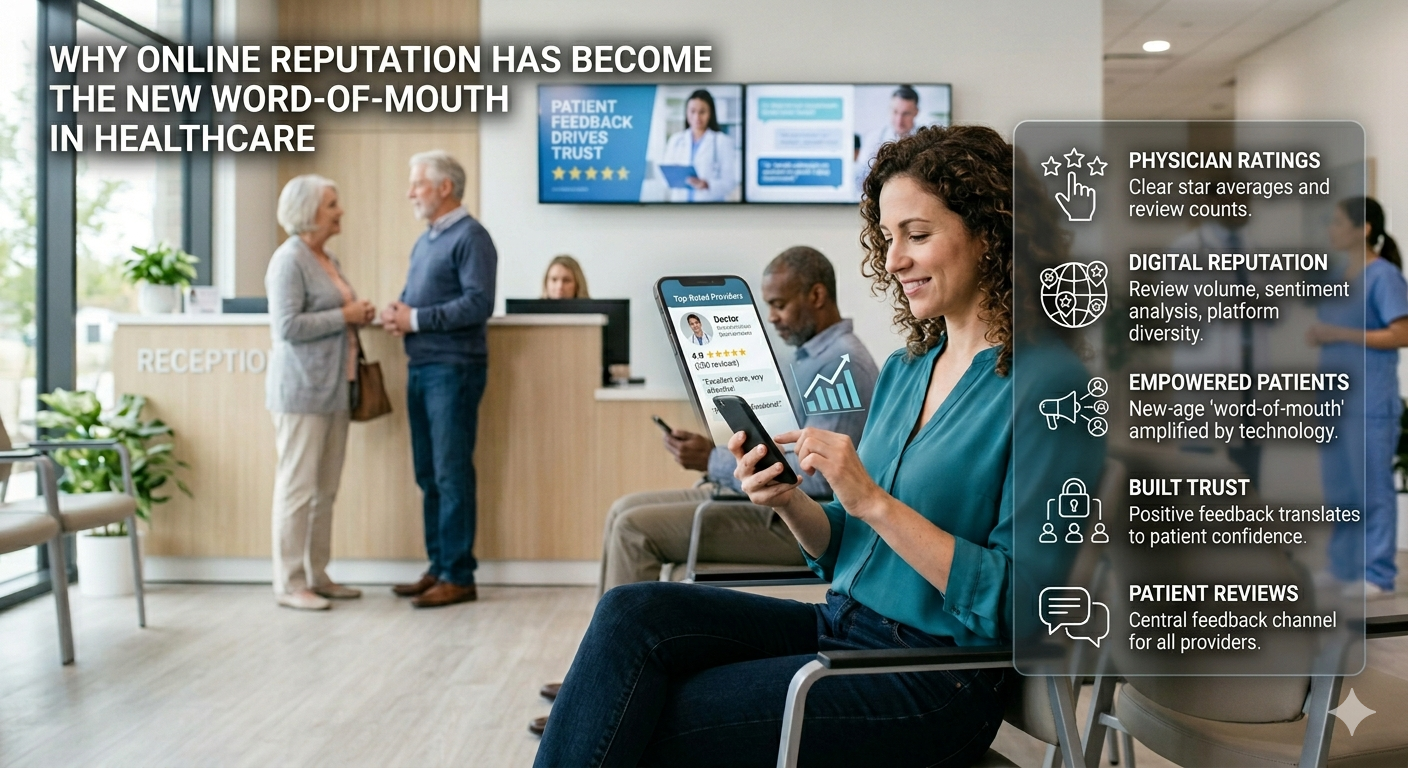
In the digital age, online reputation is crucial for healthcare providers. Effective healthcare reputation management through social media marketing can play a vital role in managing and enhancing a doctor’s reputation by:
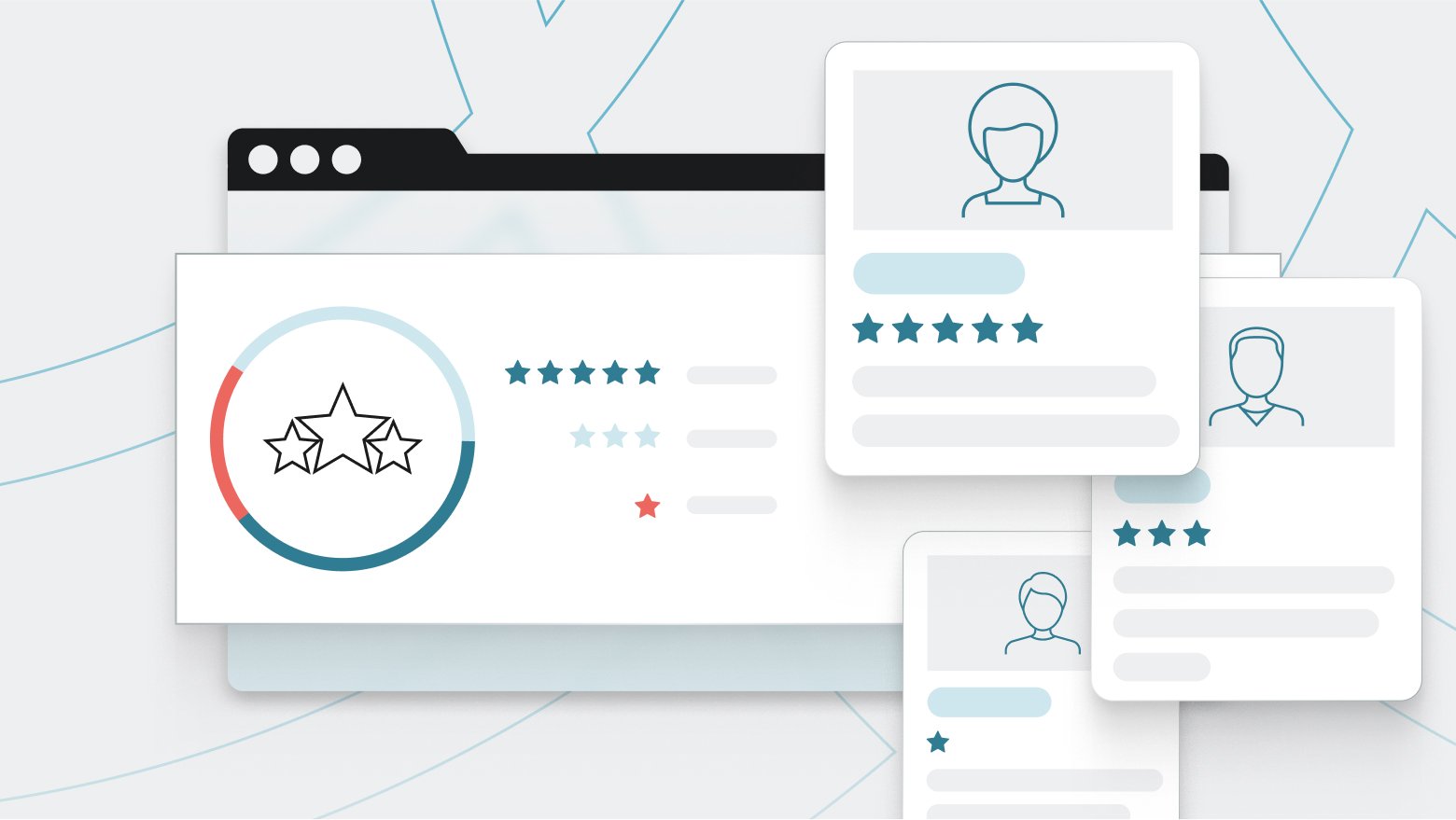
- Monitoring mentions: Keeping track of what patients are saying about the practice online allows for timely responses to both positive and negative feedback.
- Addressing negative reviews: Professionally handling criticism on social platforms demonstrates commitment to patient satisfaction and can turn negative experiences into positive ones.
- Highlighting positive feedback: Sharing positive reviews (with permission) can bolster the doctor’s reputation and encourage other patients to share their experiences.
- Crisis management: In case of any reputation-threatening situations, social media provides a direct channel to address concerns and provide accurate information.
Data-Driven Insights for Practice Improvement
Social media platforms offer valuable analytics that can help doctors understand their audience better and improve their practice:
- Patient demographics: Understanding the age, location, and interests of the social media audience can inform marketing strategies and service offerings.
- Content performance: Analyzing which posts generate the most engagement can guide future content creation and improve patient education efforts.
- Patient sentiment: Monitoring comments and reactions can provide insights into patient satisfaction and areas for improvement.
- Peak activity times: Knowing when the audience is most active can help optimize posting schedules for maximum engagement.
Cost-Effective Marketing Solution
Compared to traditional marketing methods, social media marketing offers a cost-effective solution for doctors to promote their practice:
- Low entry barrier: Setting up social media profiles is free, allowing even small practices to establish an online presence.
- Scalable advertising: Social media ads can be tailored to fit any budget, from small boosts to comprehensive campaigns.
- Organic reach: Regular posting and engagement can lead to increased visibility without paid promotion.
- Measurable ROI: Clear analytics make it easy to track the return on investment for social media marketing efforts.
Showcasing Expertise and Specializations
Social media provides an excellent platform for doctors to highlight their unique skills, specializations, and achievements:
- Sharing case studies: With patient consent, discussing interesting or challenging cases can demonstrate expertise.
- Highlighting certifications: Announcing new certifications or continuing education accomplishments showcases commitment to professional growth.
- Discussing specialized treatments: Explaining advanced or unique treatments offered can attract patients seeking specific care.
- Demonstrating technology: Showcasing state-of-the-art equipment or innovative techniques can set the practice apart from competitors.
Improving Patient Outcomes Through Information Sharing
By leveraging social media to share health information, doctors can potentially improve patient outcomes:
- Medication adherence: Regular reminders and education about the importance of following treatment plans can improve patient compliance.
- Lifestyle modifications: Sharing tips for healthy living can encourage patients to make positive changes in their daily habits.
- Early detection: Raising awareness about symptoms or screening guidelines can lead to earlier detection of health issues.
- Support networks: Creating online communities can provide patients with peer support and motivation to manage chronic conditions
Enhancing Community Outreach and Public Health Initiatives
Social media can be a powerful tool for doctors to engage in community outreach and public health efforts:
- Promoting health events: Advertising free screenings, health fairs, or educational seminars can increase community participation.
- Supporting local causes: Sharing information about health-related charities or fundraisers can demonstrate community involvement.
- Public health campaigns: Participating in or initiating public health awareness campaigns can have a broader impact on community health.
- Emergency preparedness: Providing information on how to prepare for health emergencies or natural disasters can be a valuable community service.
Facilitating Telemedicine and Remote Care
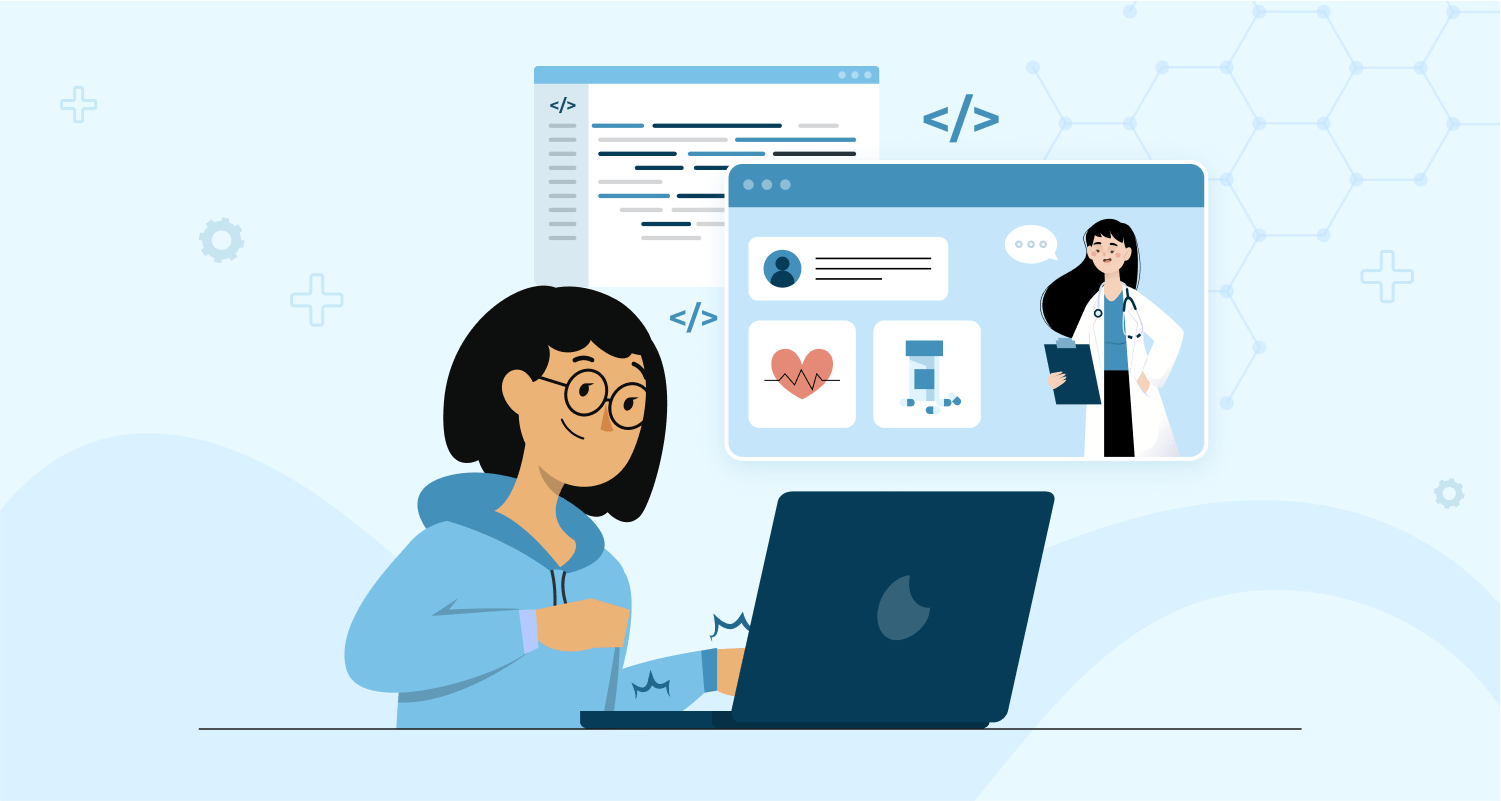
As telemedicine becomes increasingly popular, social media can play a crucial role in supporting remote healthcare delivery:
- Promoting telehealth services: Educating patients about available telemedicine options and how to access them.
- Sharing preparation tips: Providing guidance on how to prepare for virtual consultations to ensure smooth and effective remote visits.
- Addressing concerns: Using social media to answer questions about telemedicine can help patients feel more comfortable with this mode of care.
- Showcasing success stories: Sharing positive experiences with telemedicine can encourage more patients to utilize these services when appropriate.
Staying Competitive in a Digital Healthcare Landscape
In an era where patients increasingly rely on online information to make healthcare decisions, maintaining a strong social media presence is crucial for staying competitive. As more practices invest in digital marketing for healthcare in Indore and other cities, standing out online has become just as important as the quality of care itself:
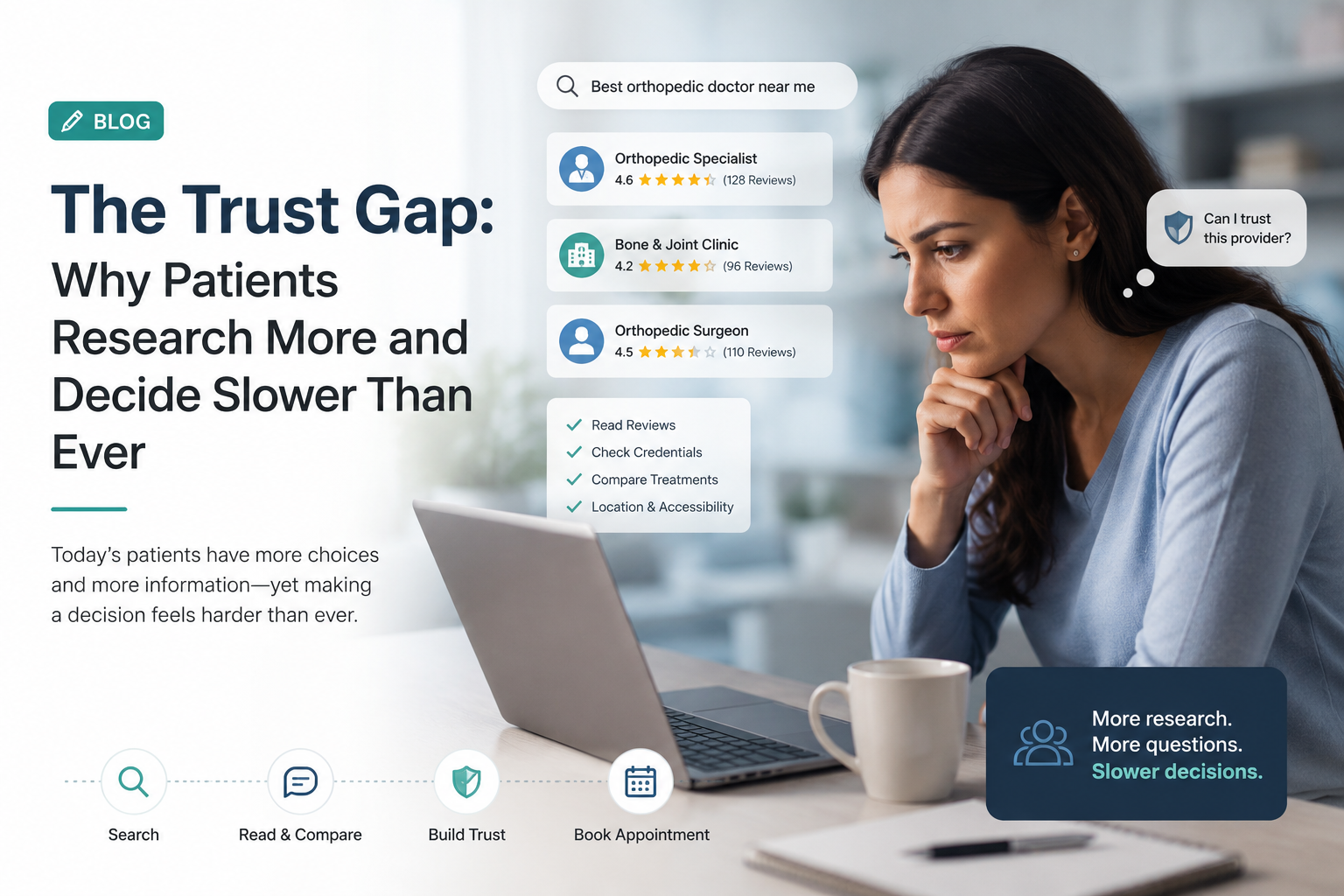
- Meeting patient expectations: Modern patients often expect to find information about their healthcare providers online.
- Differentiating the practice: A well-managed social media presence can set a practice apart from competitors who may not be as according to competitors who may not be as active online.
- Adapting to changing trends: Staying active on social media helps doctors remain agile and responsive to evolving patient needs and preferences.
- Attracting younger demographics: Younger patients, in particular, may be more likely to choose healthcare providers with a strong online presence.
Fostering a Sense of Community and Patient Support
Social media can help create a sense of community among patients, leading to improved support and better health outcomes:
- Patient support groups: Creating or facilitating online support groups for patients with specific conditions.
- Sharing patient stories: With permission, highlighting patient journeys and successes can inspire and support others.
- Encouraging peer interactions: Facilitating discussions among patients can provide valuable peer support and shared experiences.
- Celebrating milestones: Acknowledging patient achievements in their health journeys can boost morale and motivation.
Frequently Asked Questions on Doctors’ Social Media Marketing
1. Is social media marketing actually effective for doctors, or is it just for big hospitals?
It works for practices of every size. In fact, smaller practices often benefit the most, since a genuine, consistent presence can help them compete with larger hospitals that may feel less personal online.
2. How much time does a doctor need to spend on social media each week?
There’s no fixed number, quality matters more than frequency. Many practices see good results by posting two to three times a week and dedicating a small, consistent block of time to responding to comments and messages.
3. What kind of content should doctors avoid posting on social media?
Avoid sharing any patient information without explicit consent, giving specific medical advice to individuals publicly, and making claims that aren’t backed by evidence. Content should educate broadly, not diagnose or treat through comments.
4. Can social media marketing help attract patients from a specific area?
Yes, geo-targeted content and location-based ads can help practices reach patients within their service area, making it especially useful for clinics looking to grow their local patient base.
5. Do doctors need to hire an agency, or can they manage social media themselves?
Either can work, it depends on time and comfort level. Some doctors manage a simple presence themselves, while others prefer partnering with an agency experienced in healthcare to save time and ensure content stays compliant and consistent.
Conclusion
Doctors don’t need to become influencers to benefit from social media, they just need to show up consistently with content that actually helps their patients. Whether it’s a quick post explaining a common symptom, a behind-the-scenes look at the clinic, or a patient’s success story shared with permission, these small efforts add up to something bigger: a practice patients trust before they even walk in the door.
At Namastetu Health, we’ve worked with doctors who started with just one platform and a simple goal, to educate, not just promote. Over time, that approach builds exactly what every practice needs: visibility, credibility, and a genuine connection with the community they serve. This is really where the benefits of doctors social media marketing show up most clearly, not in follower counts, but in the trust and relationships built along the way.
If you’re a doctor wondering where to begin, start small. Pick one platform, focus on real value, and stay consistent, everything else tends to follow from there. And if you’d rather have someone guide that process with you, feel free to get in touch with our team anytime.