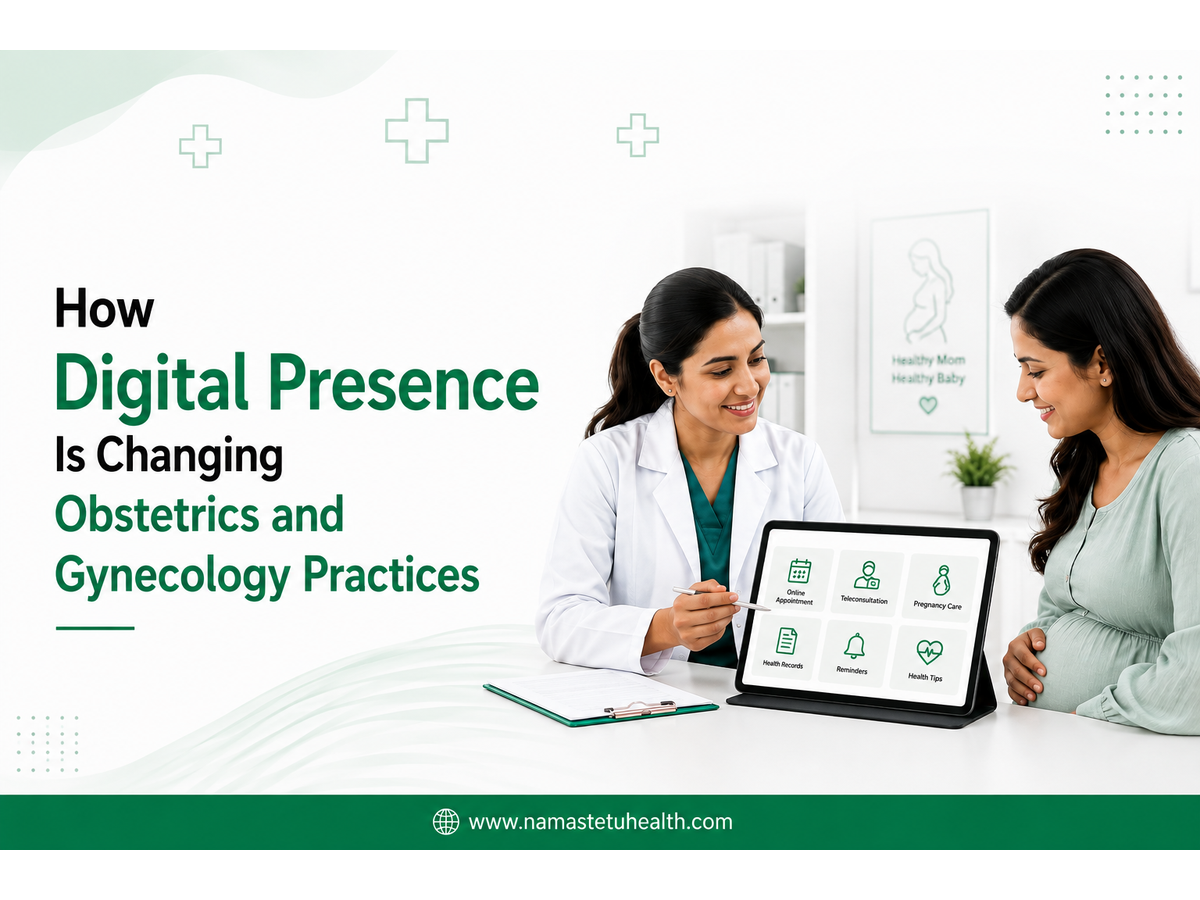
Ten years ago, most women picked a gynecologist through a friend, a family doctor, or whoever their mother had used for years. That path still exists, but it is no longer the first step. The first step now happens on a phone, quietly, often before anyone else even knows a search is happening, and that quiet shift is exactly why digital presence is changing obstetrics and gynecology practices faster than almost any other medical specialty.
Namastetu Health has spent time studying how women’s health clinics grow online, and one pattern keeps showing up: the clinics that feel approachable on screen are the ones that fill their appointment slots first. This blog breaks down why that happens and what a clinic can actually do about it.
A Search That Feels More Personal Than Most
Booking a gynecologist is not like booking a dentist. The topic itself can feel private, sometimes uncomfortable, and for many women, a little vulnerable to search for at all.
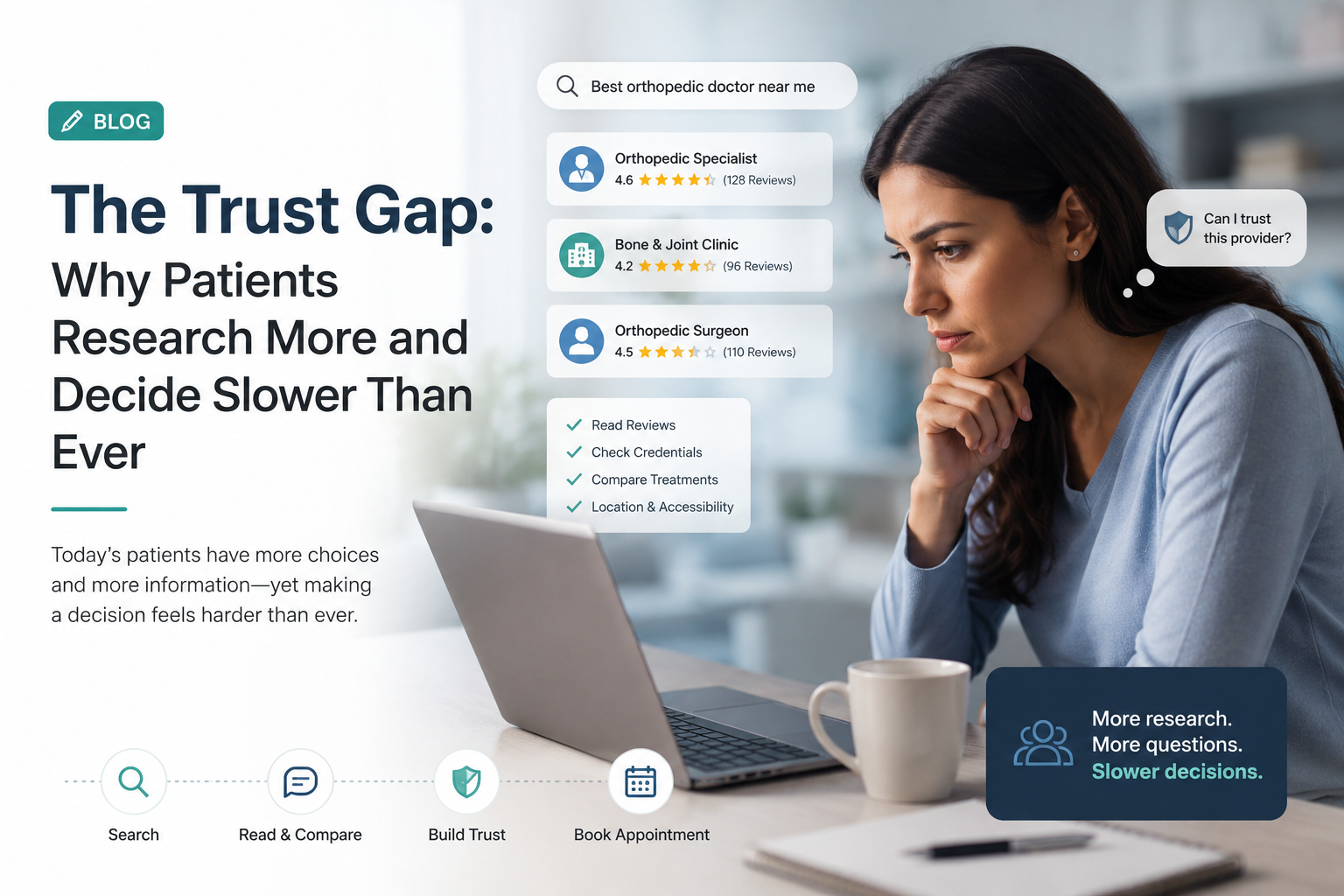
Because of that discomfort, a search rarely stops at one clinic name. Women tend to open several tabs, read a handful of reviews, and quietly judge whether a doctor’s photo and bio feel warm or distant before ever picking up the phone.
That instinct is not shallow. It is a woman deciding, in a few seconds, whether this stranger deserves access to a conversation she might not have with anyone else. A clinic that understands this weight tends to design its website very differently from one that treats it like any other listing.
Four Small Moments That Decide a Lot
A patient rarely makes one big decision about a clinic. She makes several small ones, each lasting only a few seconds, and each one either builds confidence or quietly ends it.
- The first glance, usually a search result or map listing, where a blurry photo or missing hours can end things before they start.
- The quick scroll, where she checks if the website answers her actual question instead of just listing services.
- The comfort check, where reviews, doctor bios, and photos either feel human or feel like a stock template.
- The booking attempt, where a confusing form or missing phone number can undo everything built up to that point.
Losing any one of these moments loses the patient, which is why fixing a website in isolation, without checking the other three, rarely produces the growth a clinic expects.
What a Clinic’s Website Is Actually Being Judged On
A website does not need to be flashy to work well for an OB-GYN practice. It needs to answer, almost instantly, three quiet questions a nervous patient is asking without saying them out loud: who is this doctor, is this place clean and professional, and can I trust them with something personal.
A few practical elements answer those questions well:
- A doctor bio written like a real introduction, not a list of degrees.
- Photos of the actual clinic, not generic stock images of unrelated people.
- A short, plain-language explanation of what a first visit involves.
- One clear way to book, without extra forms or confusing steps.
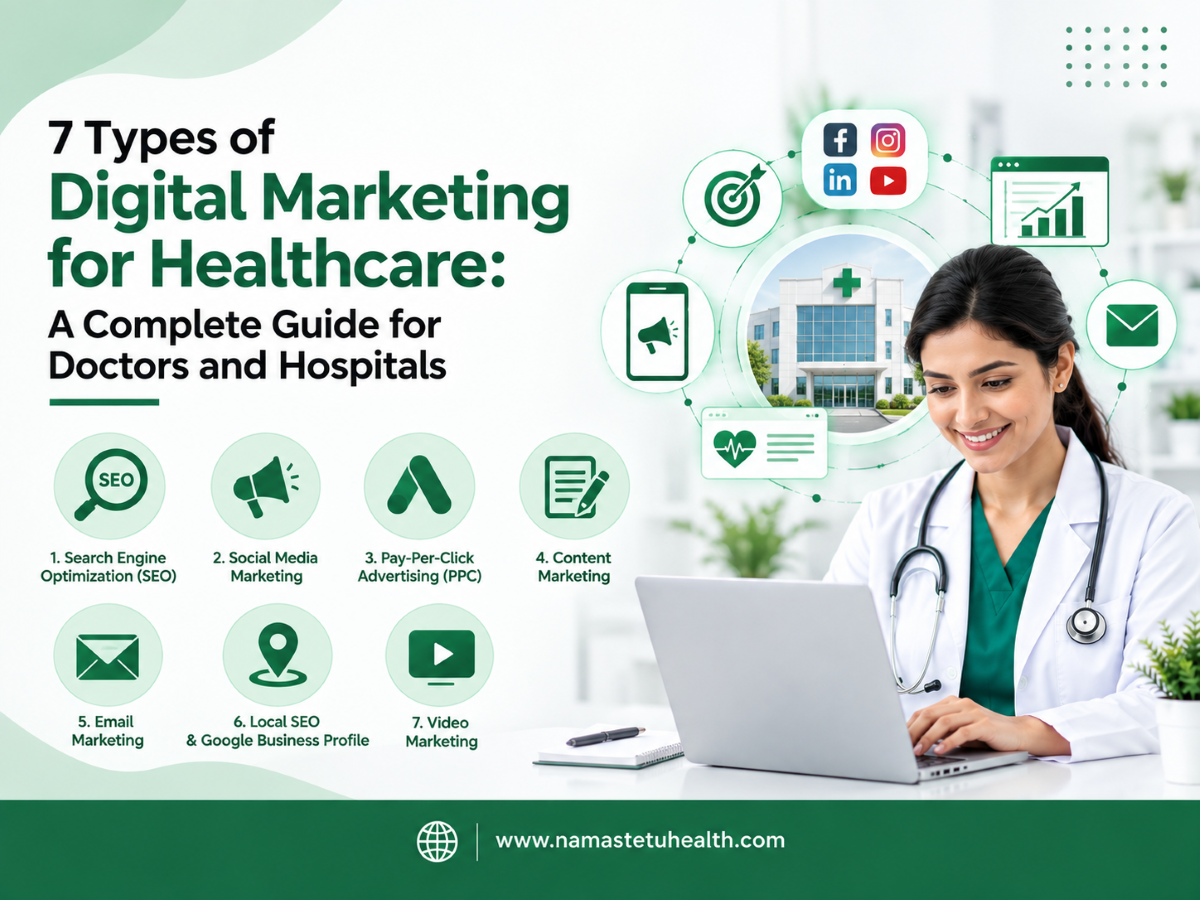
Clinics that invest properly in Digital Marketing for OB-GYN Practices usually start exactly here, since this is where hesitant visitors either stay or quietly leave.
Showing Up Before the Patient Even Searches Your Name
Most new patients never type a clinic’s actual name into Google. They search a symptom, a city, or a question, and whichever clinic answers that question best is the one they remember.
Search visibility for this kind of query depends on a few consistent habits:
- Keeping the Google Business Profile complete, accurate, and updated often.
- Matching the clinic’s name, address, and phone number across every online listing.
- Publishing separate pages for each area or branch a clinic serves.
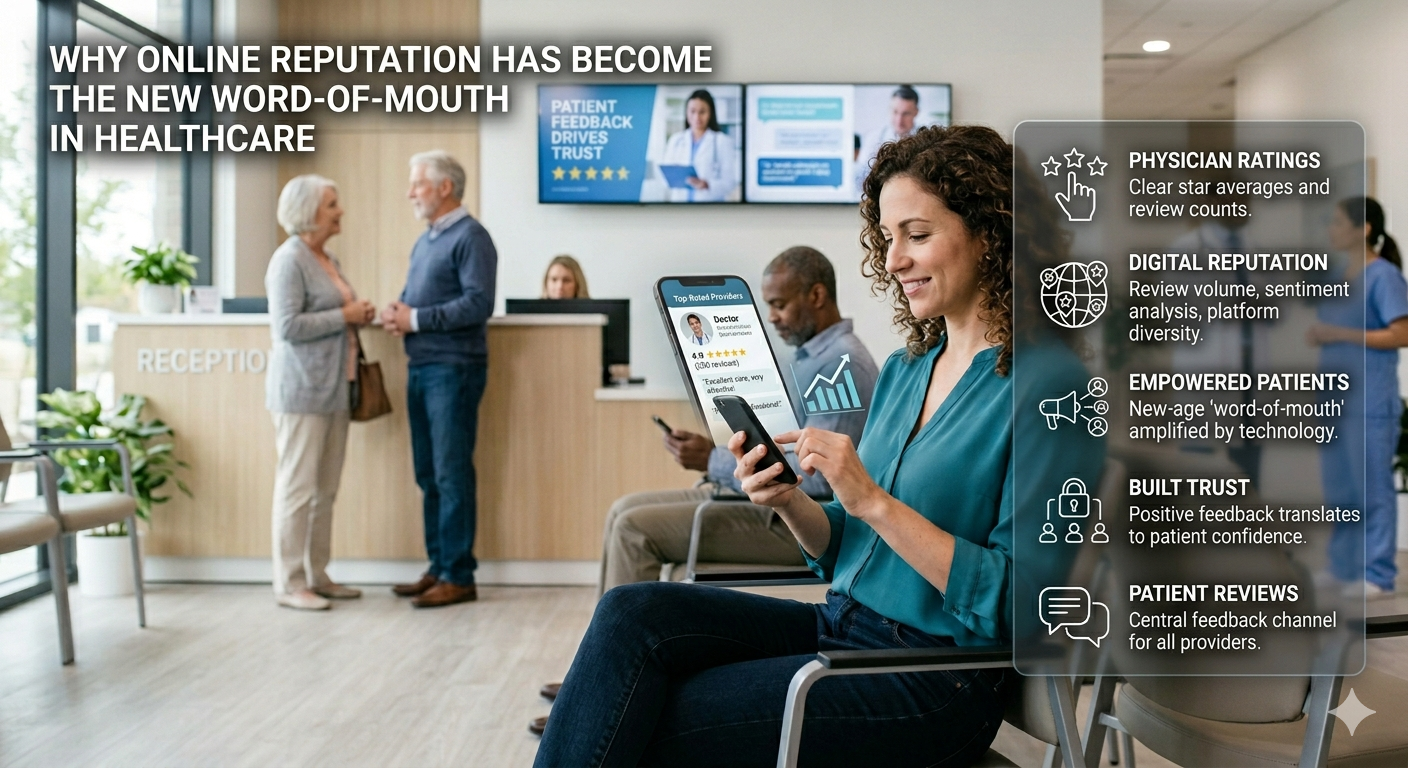
- Collecting recent, genuine reviews instead of a handful from years ago.
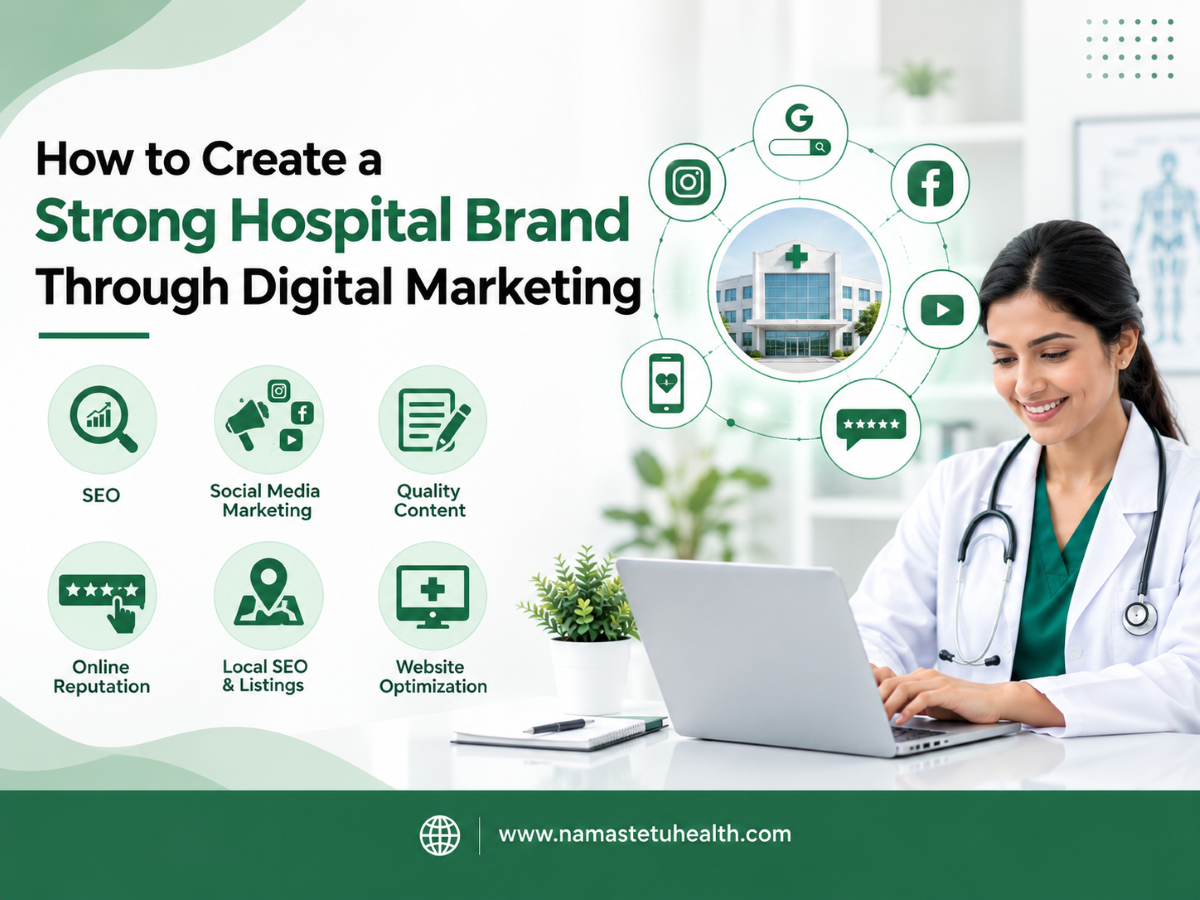
This is really where digital presence is changing obstetrics and gynecology practices the most, since a clinic no longer needs to be famous locally, only easy to find at the exact moment someone is searching.
Content That Sounds Like a Person, Not a Textbook
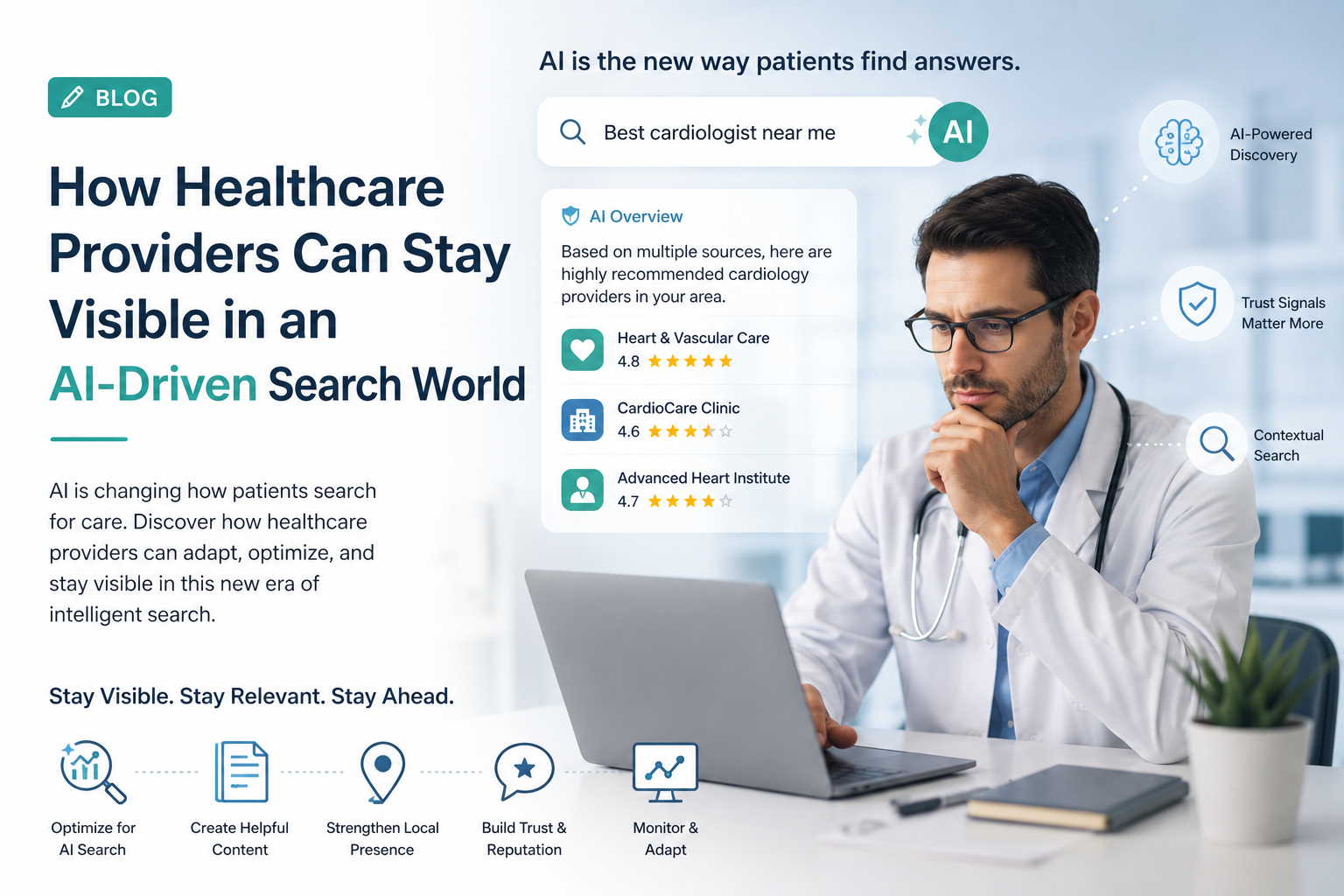
Search engines and AI tools like ChatGPT increasingly reward pages that answer a real question in the first sentence or two, rather than burying the answer under paragraphs of background. For an OB-GYN practice, that usually means writing about the exact worries patients already have.
A few examples of what tends to work well:
- A short page explaining whether light spotting in early pregnancy is normal.
- A guide on how often a routine gynecological checkup is actually needed.
- A simple walkthrough of what happens during a first prenatal visit.
- A doctor’s personal note on why she chose women’s health as her specialty.
Content written this way does double duty. It ranks better in search, and it also tends to get pulled into AI-generated answers, since those tools favor short, direct, well-organized responses over dense medical writing.
Why Google Treats This Content So Carefully
Health topics fall under what Google calls stricter quality standards, largely because bad medical information can genuinely hurt someone. This idea is often shortened to E-E-A-T, standing for Experience, Expertise, Authoritativeness, and Trustworthiness.
For an OB-GYN clinic, meeting this bar usually means:
- Crediting content to a real, named doctor with visible qualifications.
- Linking to established medical sources when discussing symptoms or treatment.
- Keeping every page factually current, especially around pregnancy and care guidelines.
- Responding to reviews, even difficult ones, in a calm and professional tone.
A well-run Gynecology Digital Marketing in Indore strategy treats these details as ranking factors, not paperwork, because Google genuinely checks for them before trusting a page enough to rank it well. This same attention to accuracy and tone sits at the heart of thoughtful Digital Marketing for Gynecologists, where the goal is never just traffic, but traffic that turns into patients who already feel a little more at ease.
Measuring Whether Any of This Is Actually Working
None of these efforts mean much without a simple way to check if they are paying off. Most clinics only need to watch three numbers on a regular basis.
- Search visibility, tracked by checking rankings for your top few procedures and city.
- Website behavior, tracked by how many visitors reach the booking page versus how many leave early.
- Review growth, tracked by counting new, genuine reviews added each month.
A clinic working with a capable partner offering Digital Marketing Services for Doctors should expect to see these numbers reported plainly, without needing a marketing background to understand them. Growth that cannot be measured is difficult to trust, and difficult to improve.
Quick Checklist Before You Make Changes
- Confirm your Google Business Profile is complete and current.
- Match your clinic’s name, address, and phone number everywhere online.
- Rewrite doctor bios to sound like real introductions, not resumes.
- Publish content answering the exact questions patients already have.
- Request reviews regularly and reply to every one received.
- Simplify your booking process to remove unnecessary steps.
- Track search rankings, site behavior, and reviews every month.
Frequently Asked Questions
1. Why do OB-GYN clinics need a strong online presence more than other specialties? Because the topic feels personal and sometimes private, patients look for extra reassurance online before booking, which makes trust signals matter more here than in many other fields.
2. How long does it usually take to see results from these changes?
Most clinics notice a real difference in inquiries within 3 to 6 months, though results depend heavily on local competition and how consistently the work is kept up.
3. Do patients actually read doctor bios before booking?
Yes, quite often. A bio that feels genuine and specific tends to build more comfort than a list of credentials alone, especially for a first-time patient.
4. Is it worth running paid ads alongside a website upgrade?
It can help, especially early on, since ads bring visibility while organic search and content take a few months to gain momentum on their own.
5. Can a smaller, independent clinic really compete with big hospital chains online?
Often yes. A hospital website usually treats every doctor the same, while a smaller clinic that shows real warmth and clear information can win the trust a large, impersonal site struggles to earn.
Conclusion
Nothing about running a good OB-GYN practice has changed at its core, since patients still want a doctor who listens and cares. What has changed is where that first impression gets made, often minutes before anyone picks up a phone, in a quiet search that either builds confidence or quietly ends it. A clinic that treats its website, reviews, and content with the same care it gives patients in person tends to win that moment far more often than one that treats it as an afterthought.
Get a free trust audit of your OB-GYN clinic’s website or talk to Namastetu Health about turning searches into booked visits.