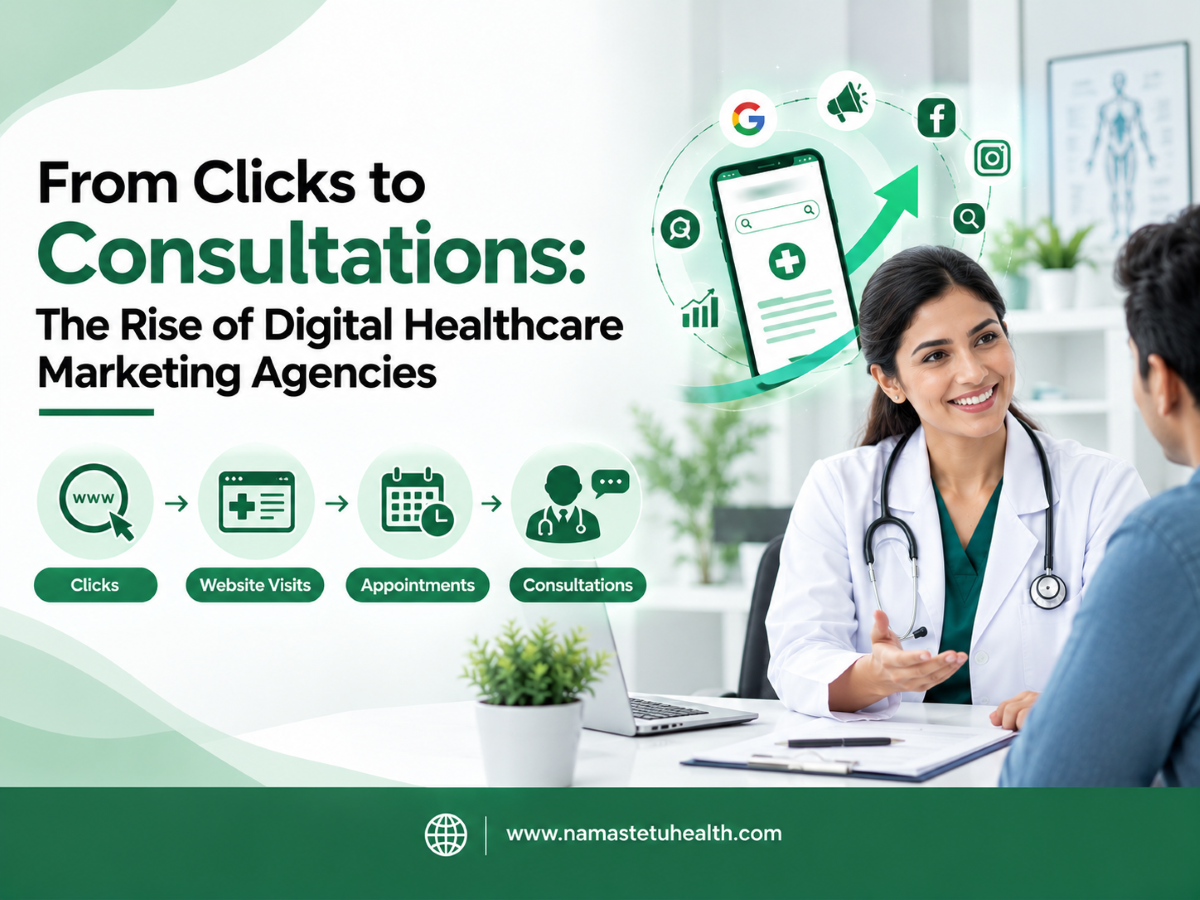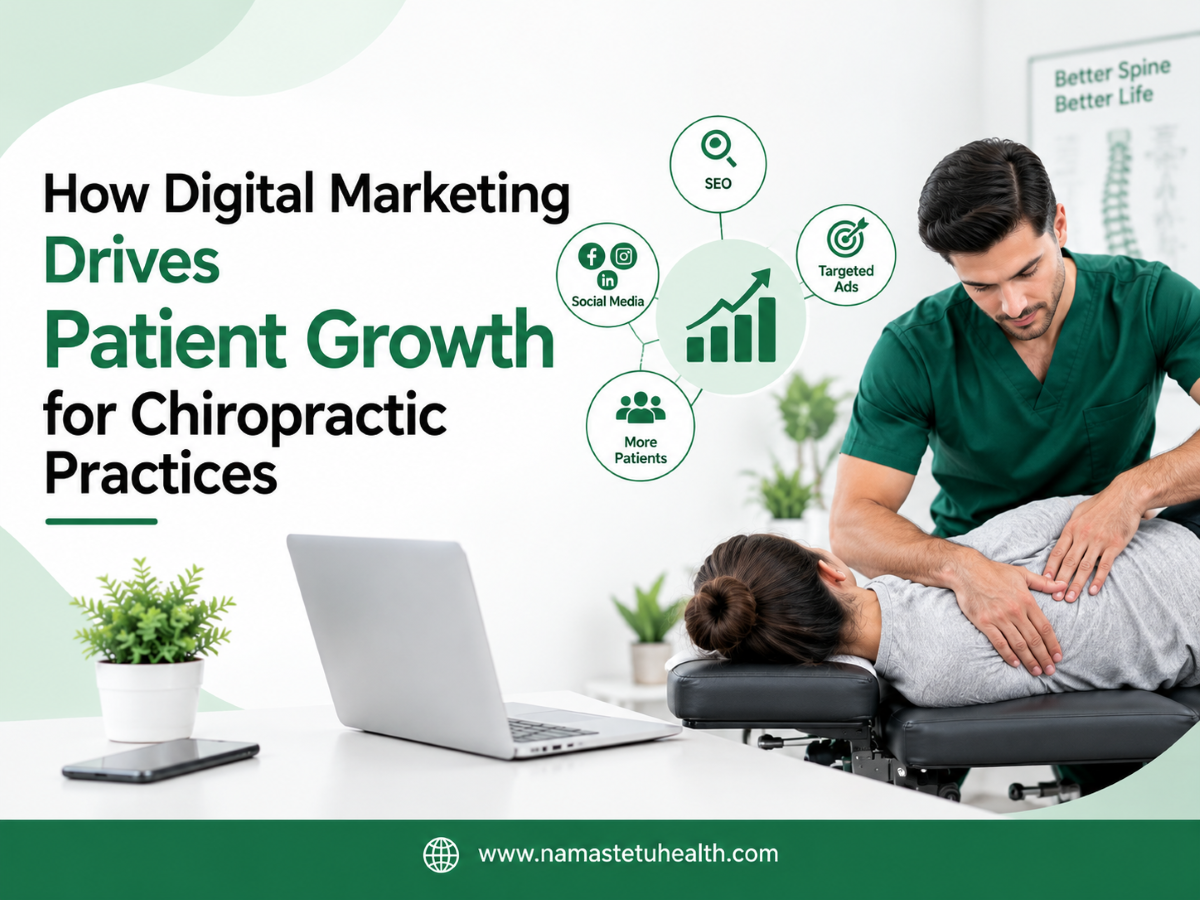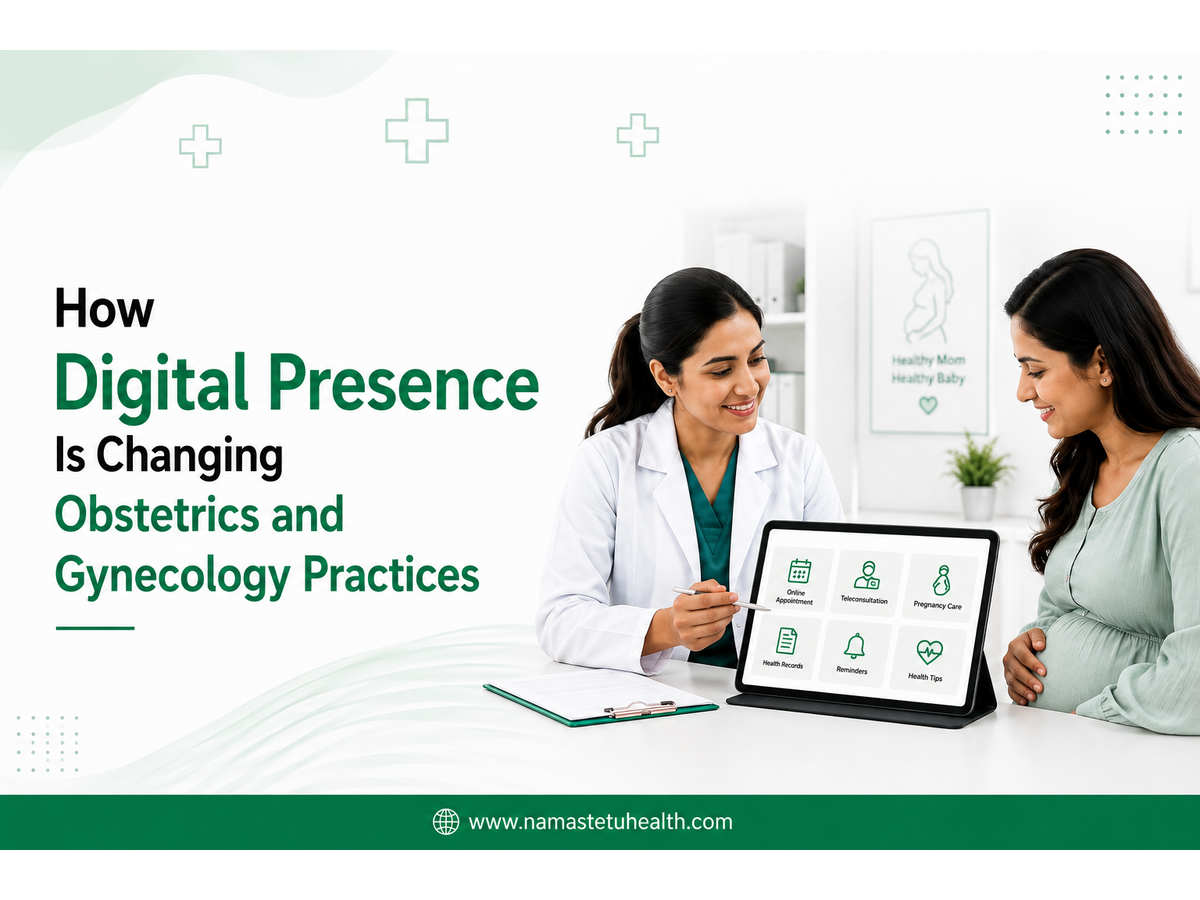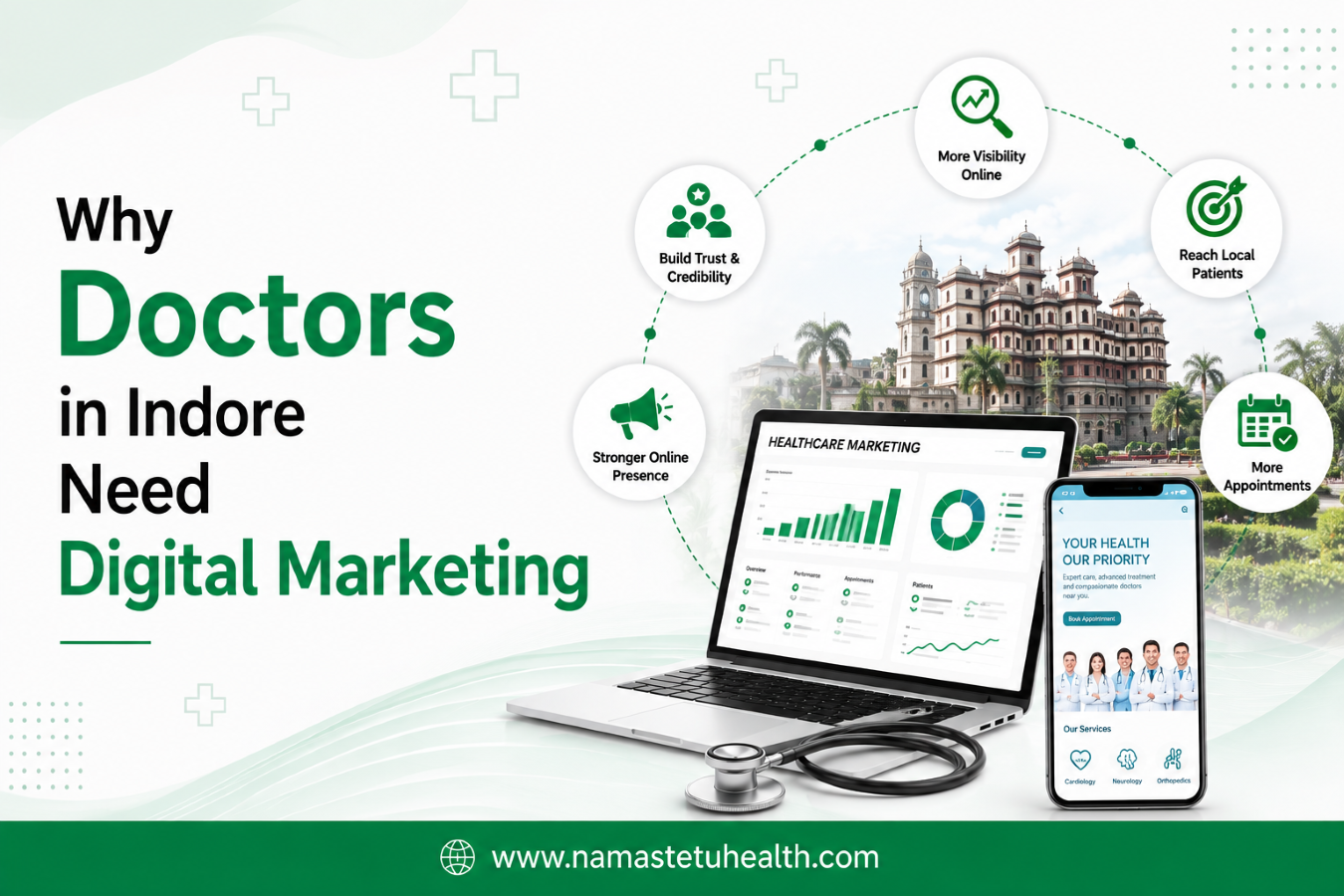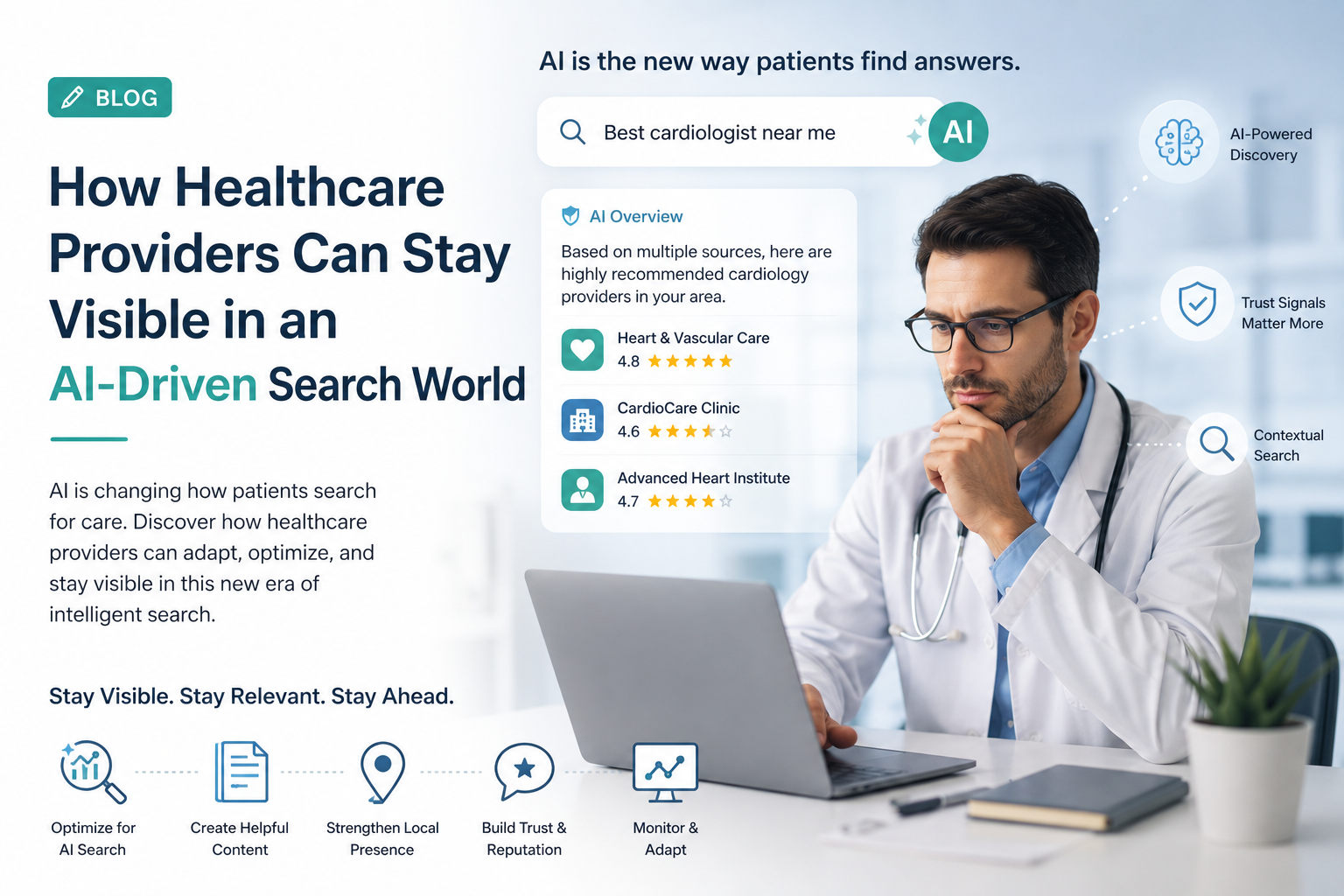
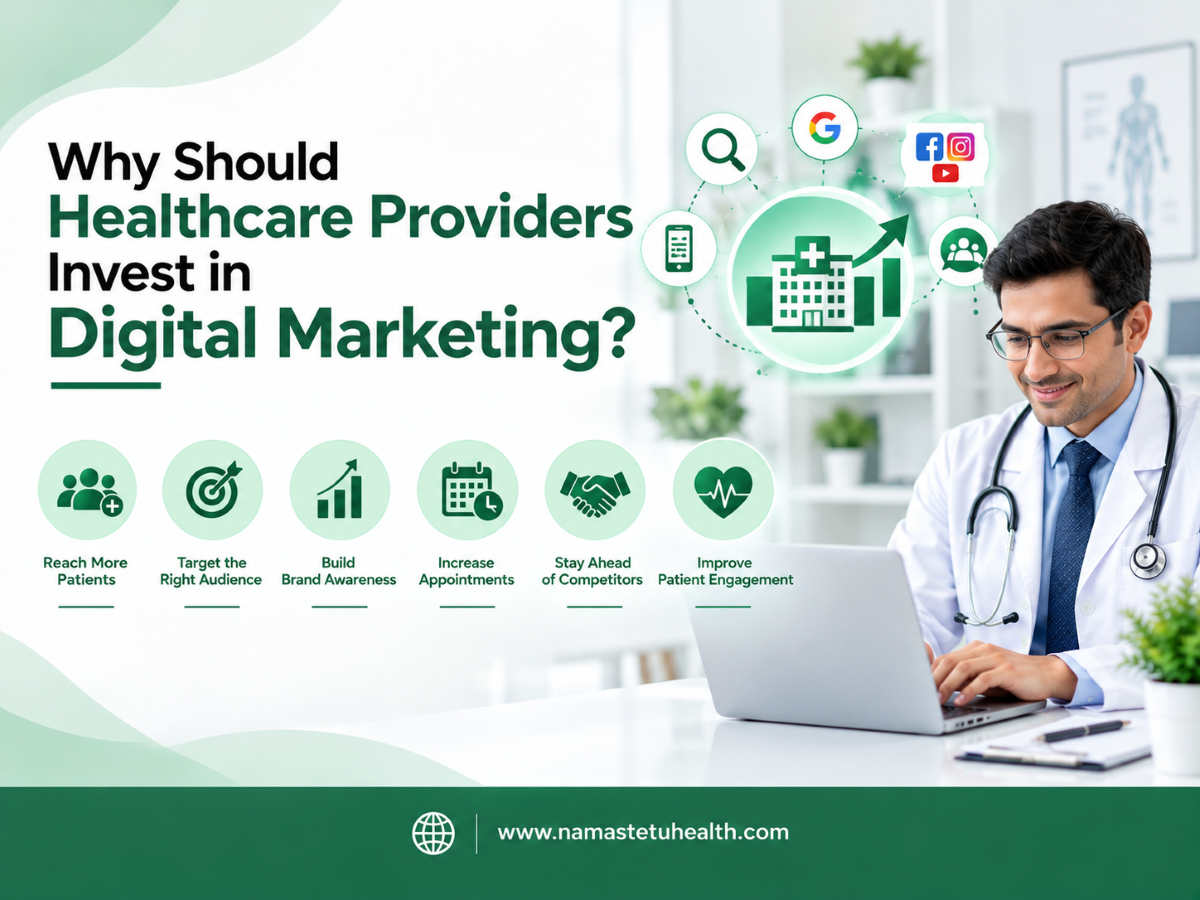
Most clinics and hospitals measure growth by the patients they treat, but very few track the patients who never reached them. Some chose a competitor with a better website, some couldn’t find your timings, and some never knew your practice existed. This is the main reason healthcare providers invest in digital marketing: it helps you reach these missed patients, and unlike a pamphlet or a hoarding, it shows you exactly what is working.
With digital marketing, you can see how many people searched for your services, visited your website, called, or booked an appointment, and which efforts brought them in. It also keeps existing patients connected through helpful health content, timely updates, and quick replies to reviews, which makes them more likely to return and refer others.
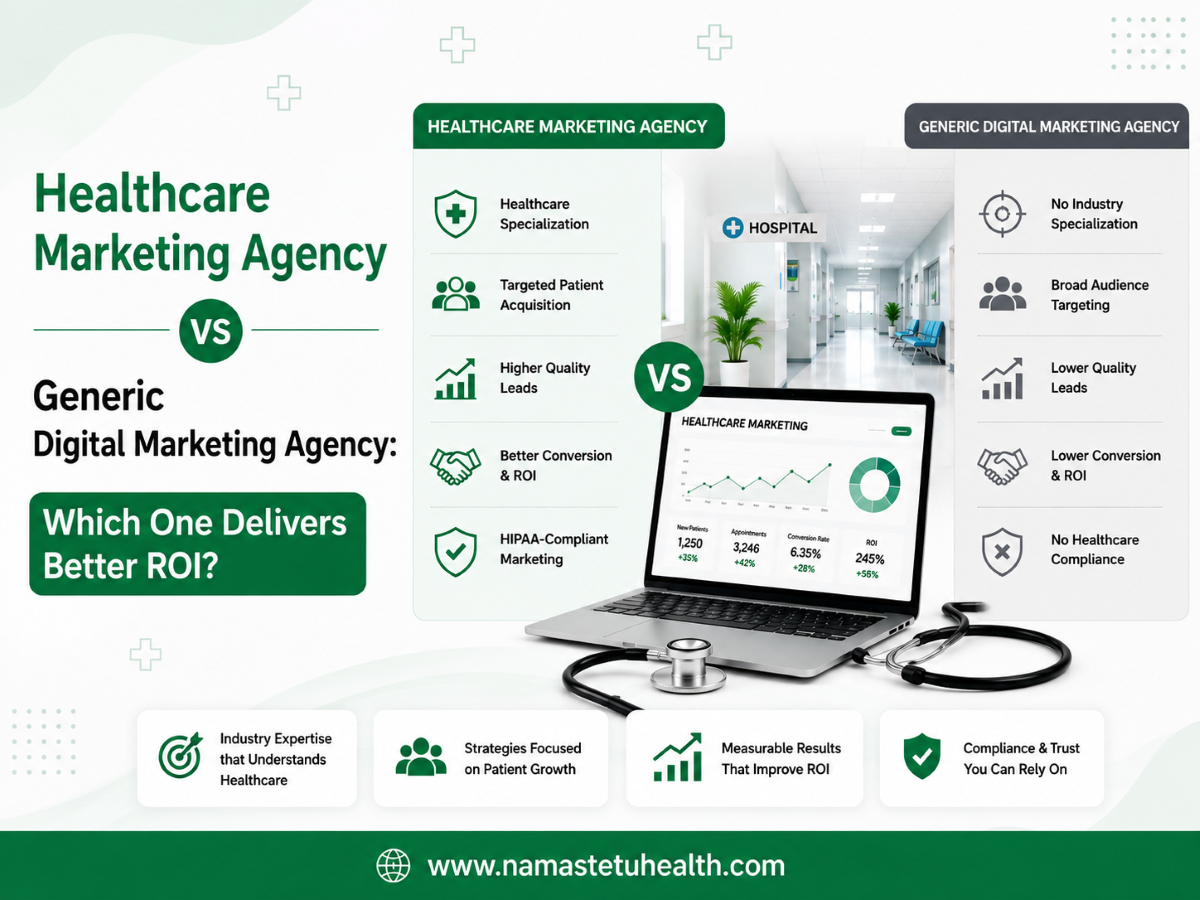
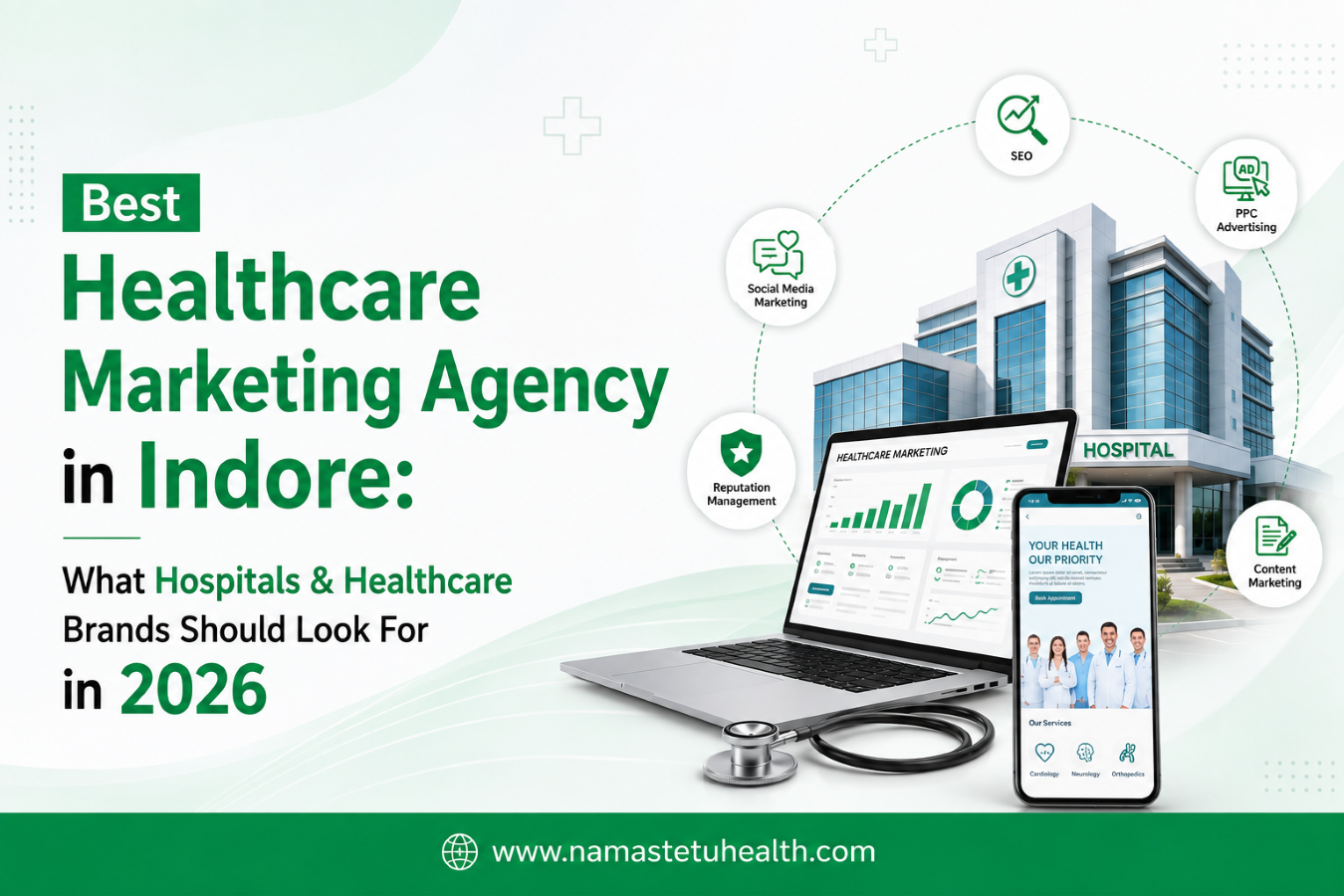
Because healthcare marketing must follow strict rules on medical claims and patient privacy, many providers work with a specialized Digital Marketing Agency for Healthcare. Namastetu Health helps healthcare practices turn their online presence into steady, measurable growth.
The Importance of Digital Marketing in Healthcare
1. Increased Patient Engagement
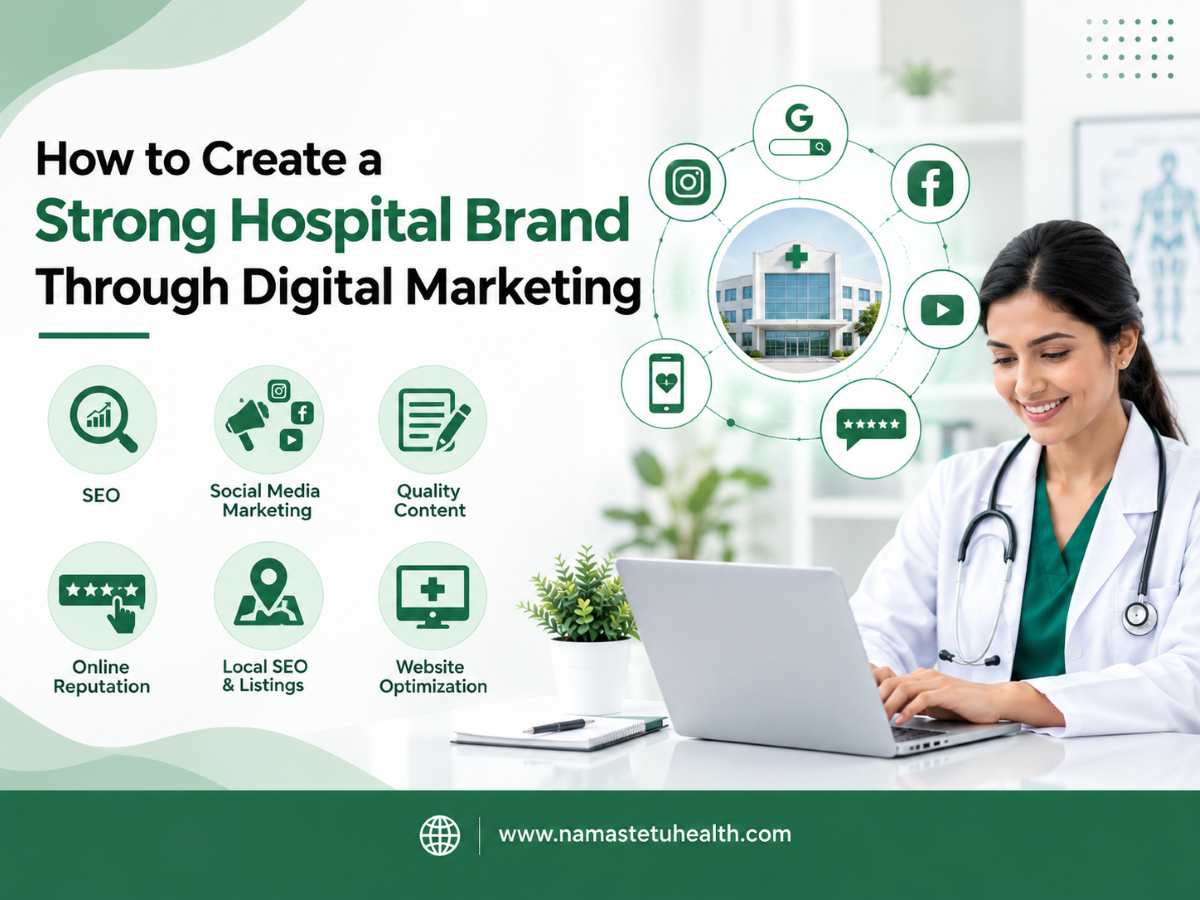
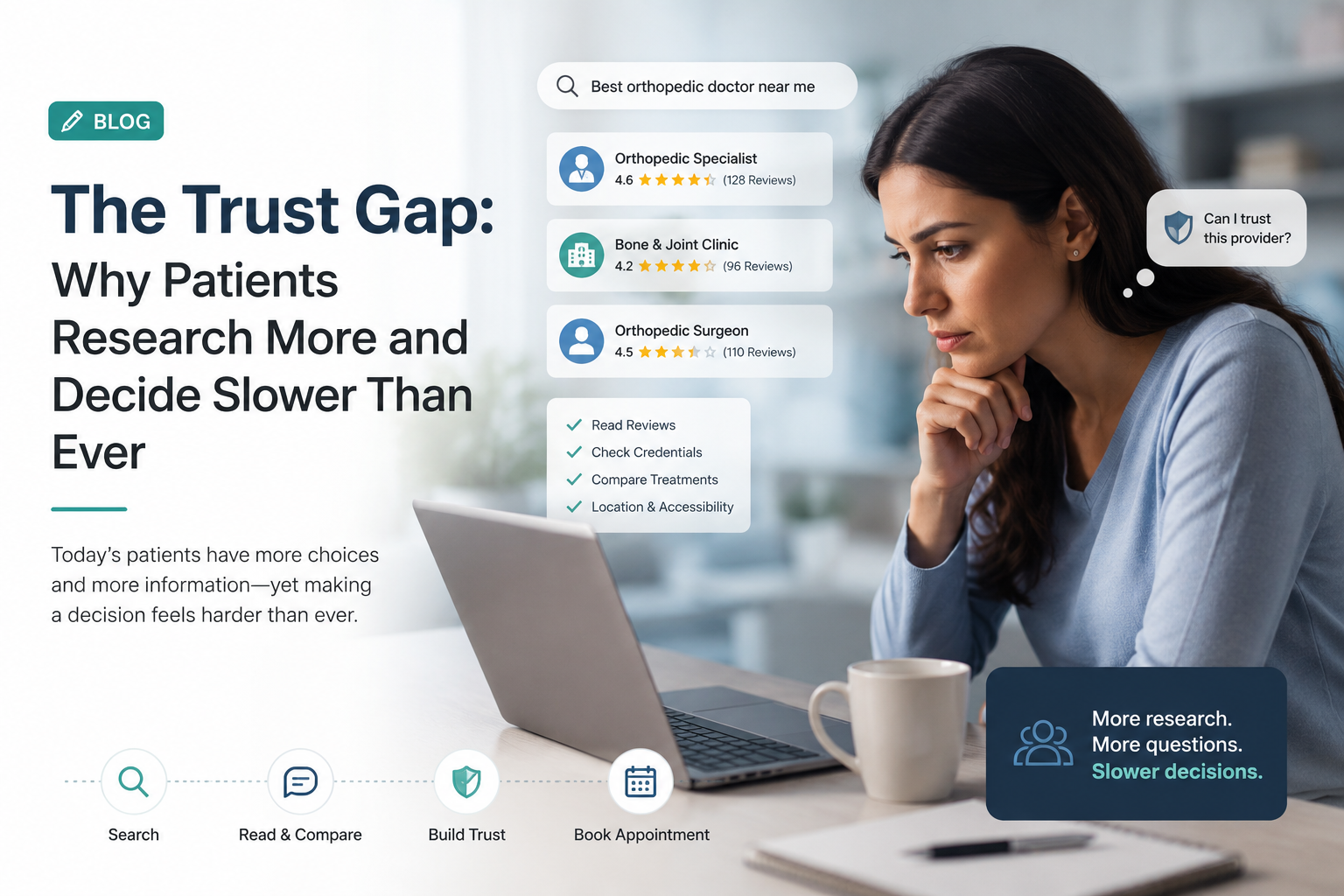
Patients today turn to the internet for medical information, reviews, and treatment options before they ever contact a provider. A well-planned digital strategy, including social media marketing for healthcare and content marketing, allows you to:
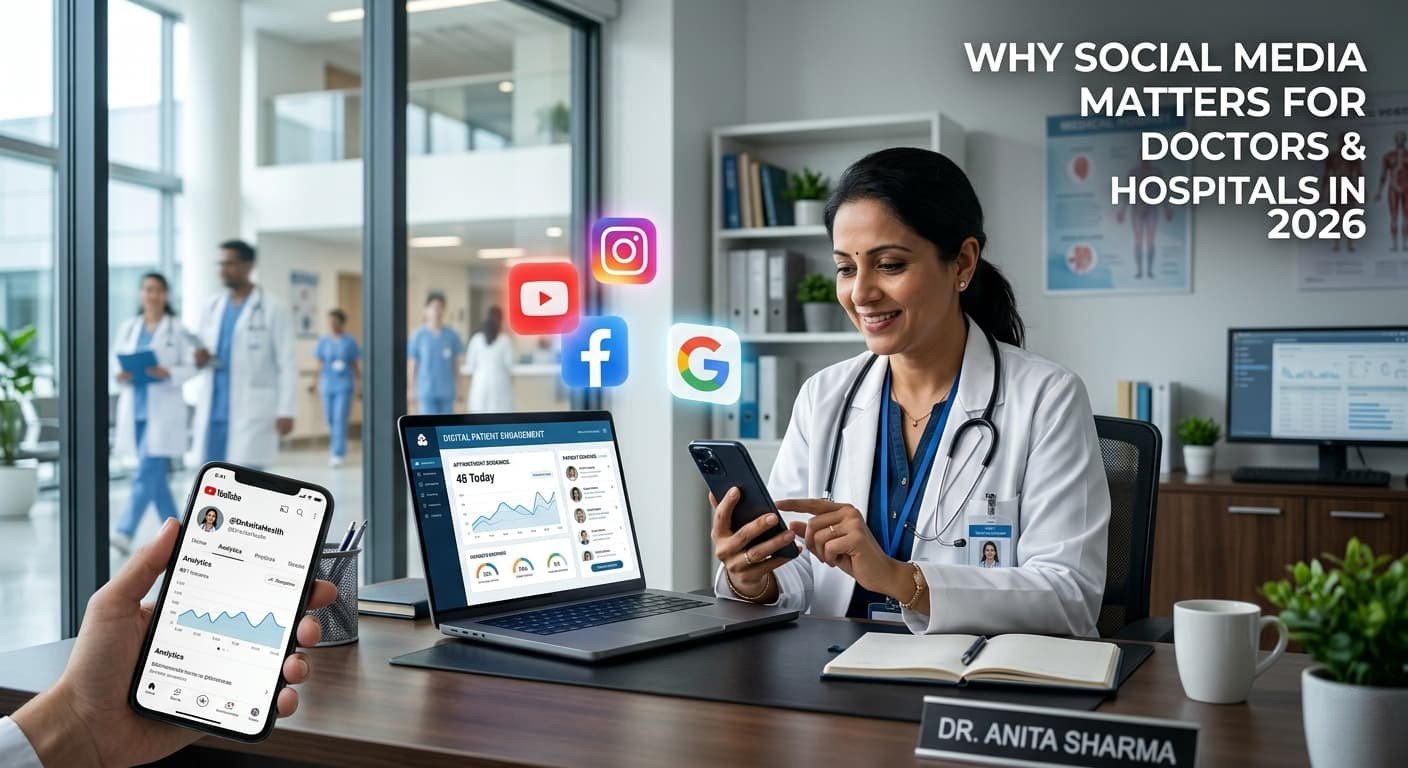
- Connect with patients on the platforms they use every day, such as Google, Instagram, Facebook, and YouTube.
- Share reliable health content that educates patients and answers their common questions.
- Build trust through consistent, transparent, and respectful communication.
2. Improved Online Visibility
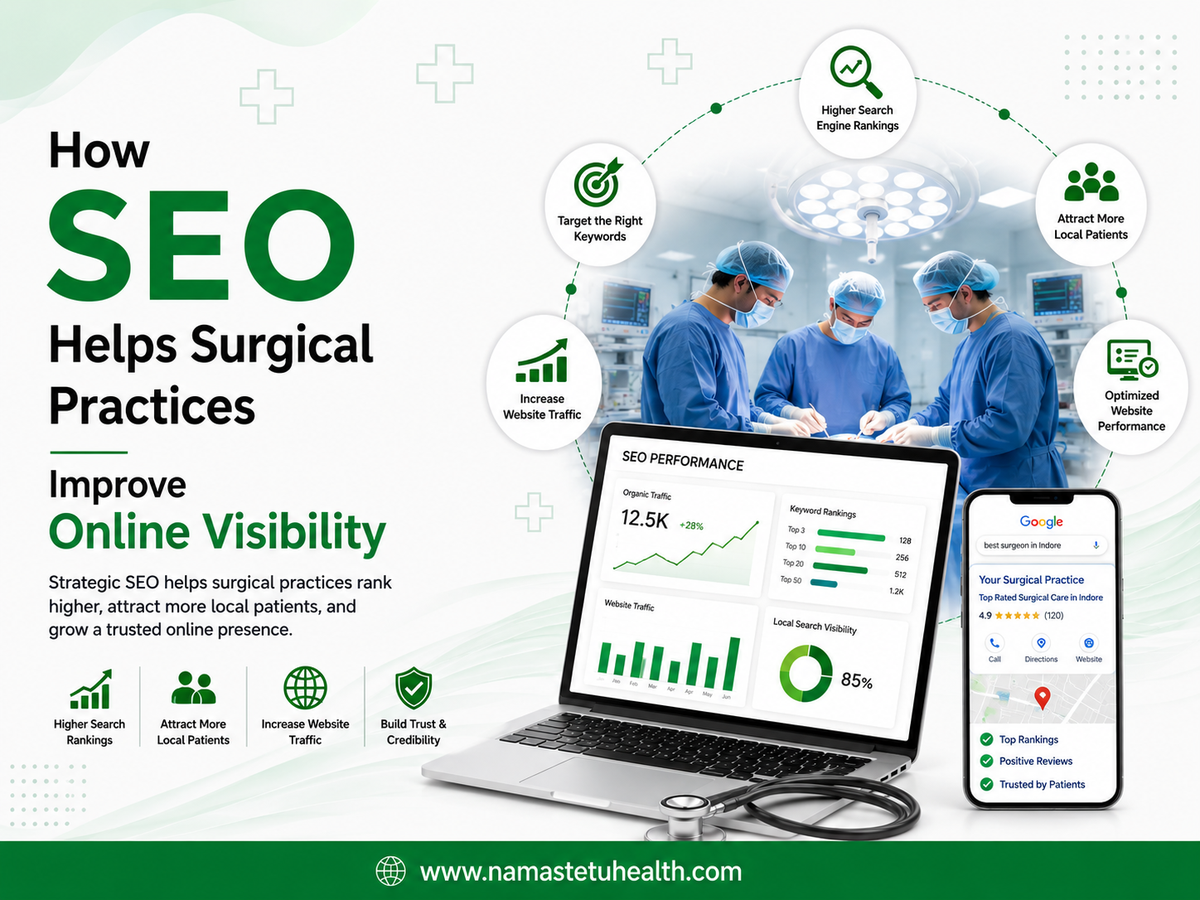
When patients search for a doctor or clinic nearby, the practices that rank higher get most of the attention. Healthcare SEO and local SEO help your services appear in Google Search and Maps for the treatments and locations you serve.
Key Strategies:
- Use relevant keywords naturally across your service pages, blogs, and Google Business Profile, based on what patients actually search for.
- Complete Google Business Profile optimization with correct categories, services, photos, and timings so your practice shows up in the Local Pack.
- Make your website fast, mobile-friendly, and easy to navigate, with clear appointment and contact options.
3. Cost-Effective Advertising
Compared to traditional advertising like TV, radio, or print, digital advertising gives you more control over budget and better visibility into results.
Benefits of Digital Advertising:
- Targeted campaigns: Reach people by location, age group, and search intent.
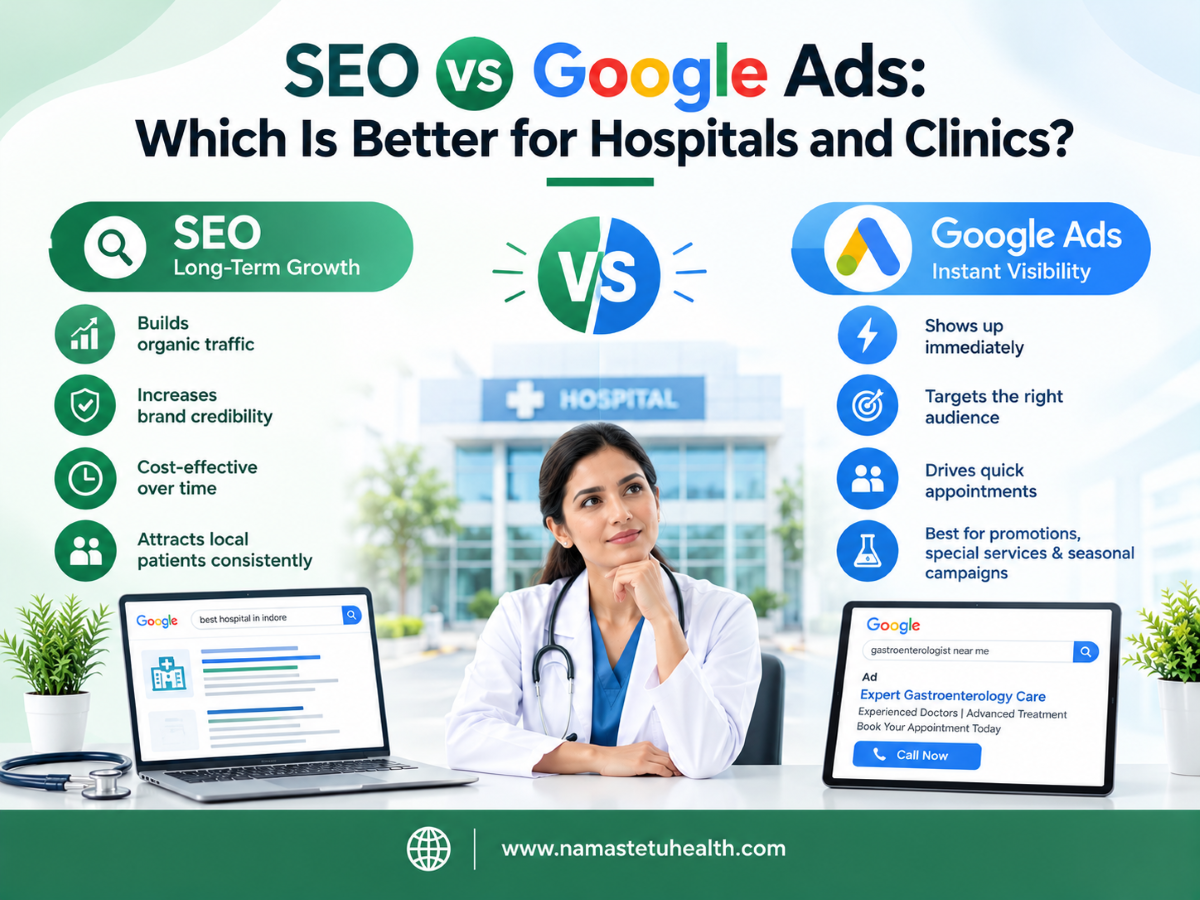
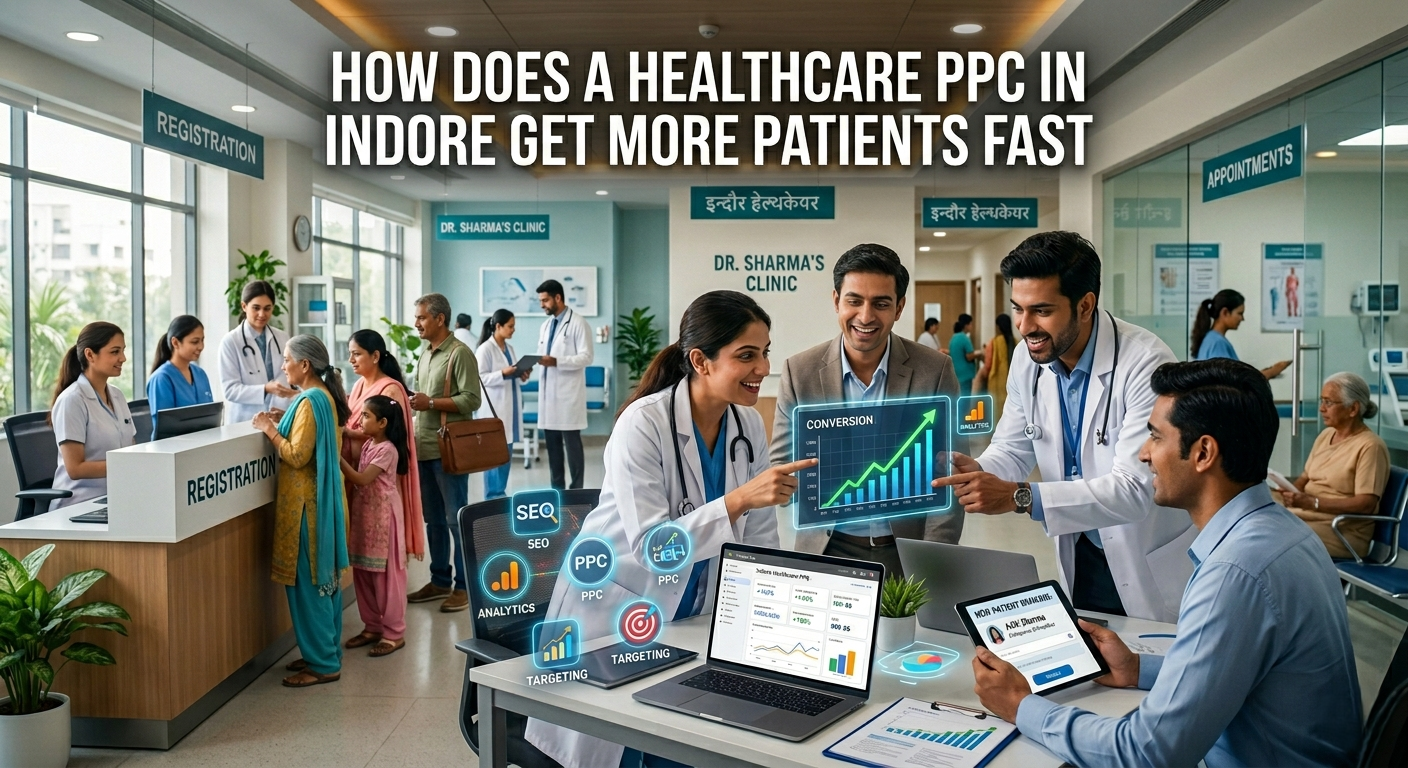
- PPC and Google Ads for healthcare: With pay-per-click models, you pay only when someone clicks your ad, and you can track the calls and bookings it brings.
- Remarketing: Reconnect with people who visited your website, within the advertising and patient-privacy rules that apply to healthcare.
Actionable Tip: Work with a Healthcare Digital Marketing Agency in Indore to plan ad campaigns that match your specialty, budget, and patient goals.
4. Enhancing Patient Experience Through Personalization
Digital tools help you communicate with patients based on their needs rather than sending the same message to everyone.
How to Personalize:
- Use email, SMS, or WhatsApp to send appointment reminders, health tips, and follow-up care instructions.
- Use a CRM system to track patient inquiries and interactions so your team can respond quickly and follow up on time.
- Keep patient data secure and use it only for communication that patients have agreed to receive.
5. Building a Strong Online Reputation
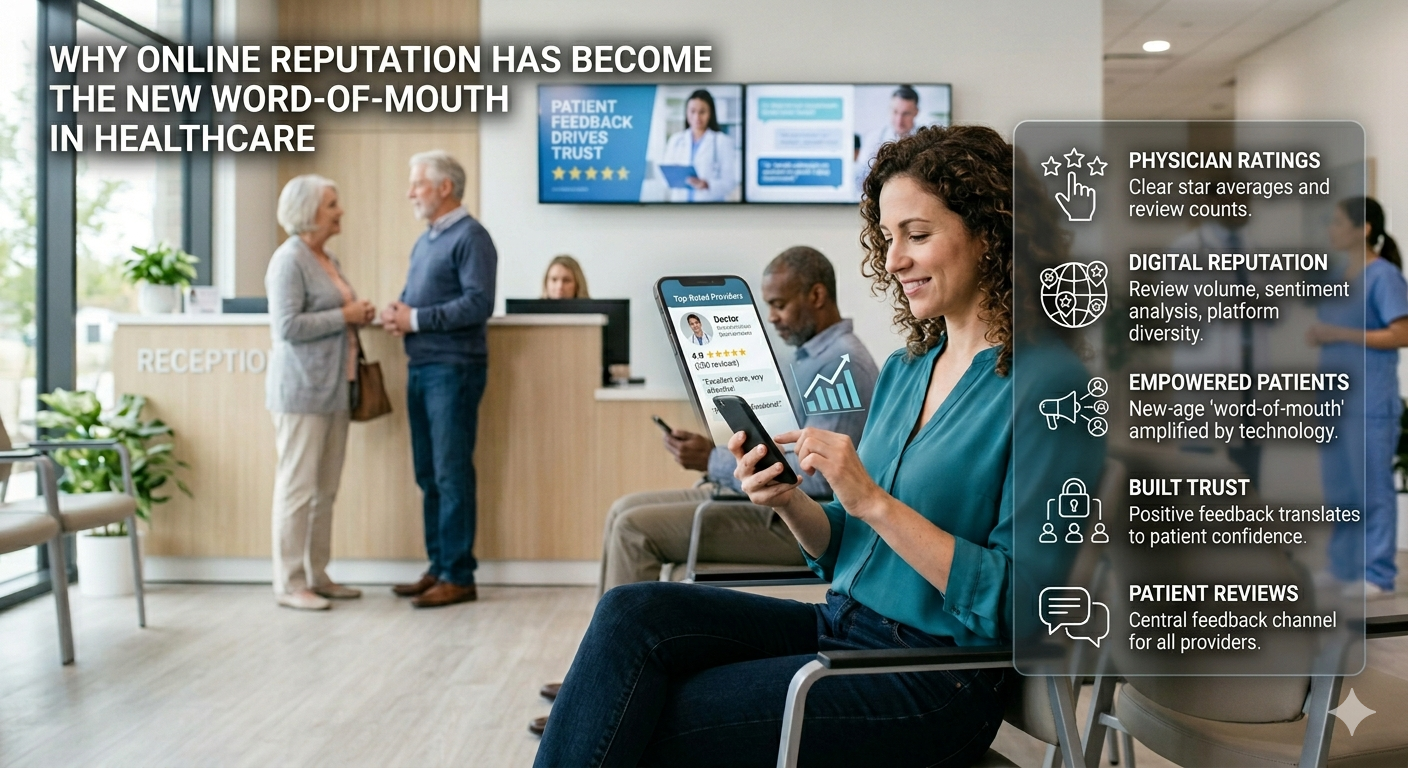
Patients rely heavily on online reviews and ratings when choosing a healthcare provider. Consistent online reputation management protects your credibility and also supports your local search rankings.
Actionable Steps:
- Ask satisfied patients to share their experience on Google, Facebook, or healthcare-specific review platforms.
- Reply to every review promptly and professionally, whether it is positive or negative.
- Never share private patient details in public replies, and never offer incentives in exchange for reviews.
Key Digital Marketing Strategies for Healthcare Providers
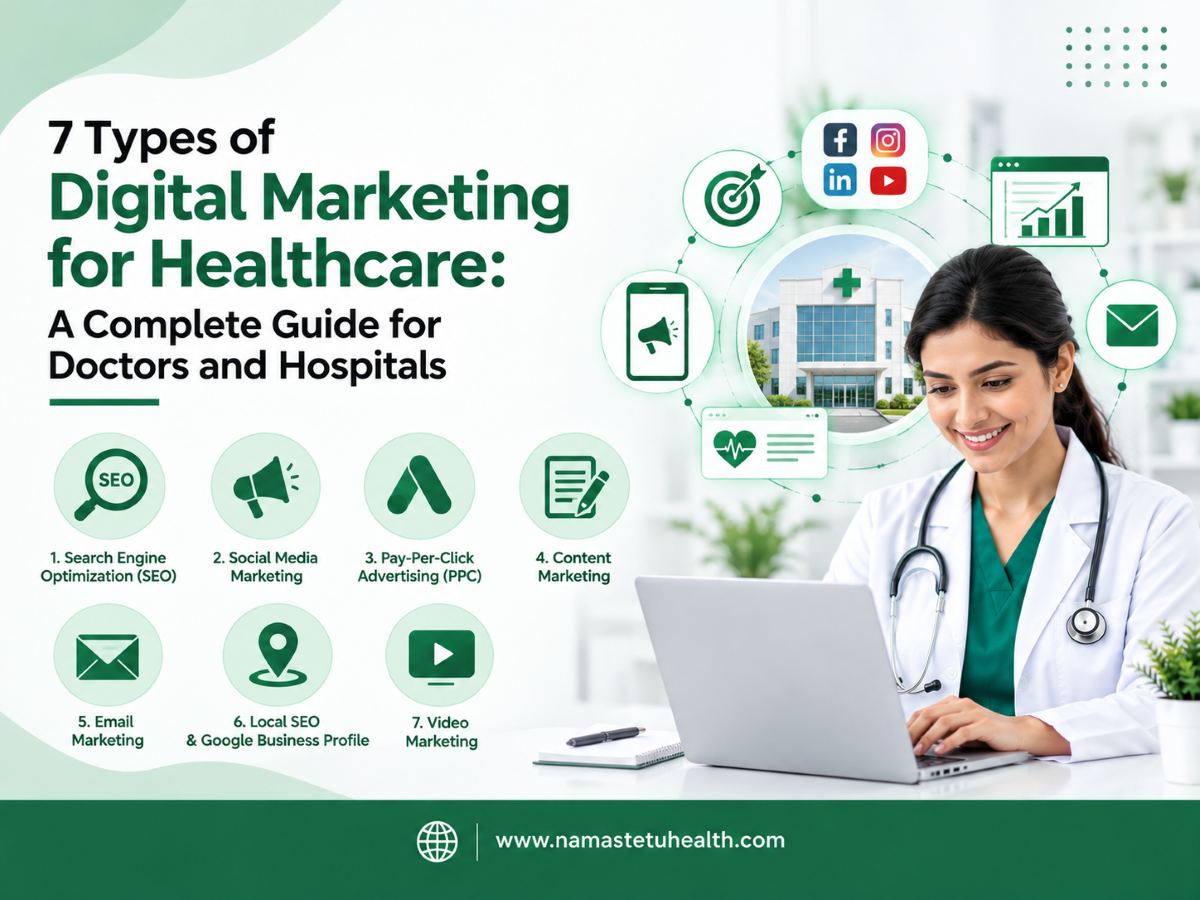
Content Marketing
Create helpful blog posts, videos, and infographics that answer the questions patients actually ask, such as symptoms, treatment options, recovery time, and when to see a doctor. Content reviewed by a qualified medical professional builds trust with both patients and Google, which is especially important for health topics. Well-structured service pages and blogs also support your healthcare SEO by helping your practice appear for the treatments and locations you serve.
Social Media Marketing
Stay connected with your audience on platforms like Instagram, Facebook, YouTube, and LinkedIn. Share health tips, awareness days, practice updates, and doctor introductions. If you share patient testimonials, make sure you have written consent and follow healthcare advertising and privacy rules.
Email Marketing
Use email, and where suitable SMS or WhatsApp, to send appointment reminders, follow-up care instructions, seasonal check-up campaigns, and health newsletters. Segmenting your list by patient needs makes messages more relevant and reduces unsubscribes.
Paid Advertising
Run PPC campaigns on Google and social platforms to promote specific services such as dental care, pediatric care, or specialty consultations. Targeting by location and search intent helps you reach patients who are ready to book, and tracking calls and form submissions shows which ads bring real appointments.
Analytics and Reporting
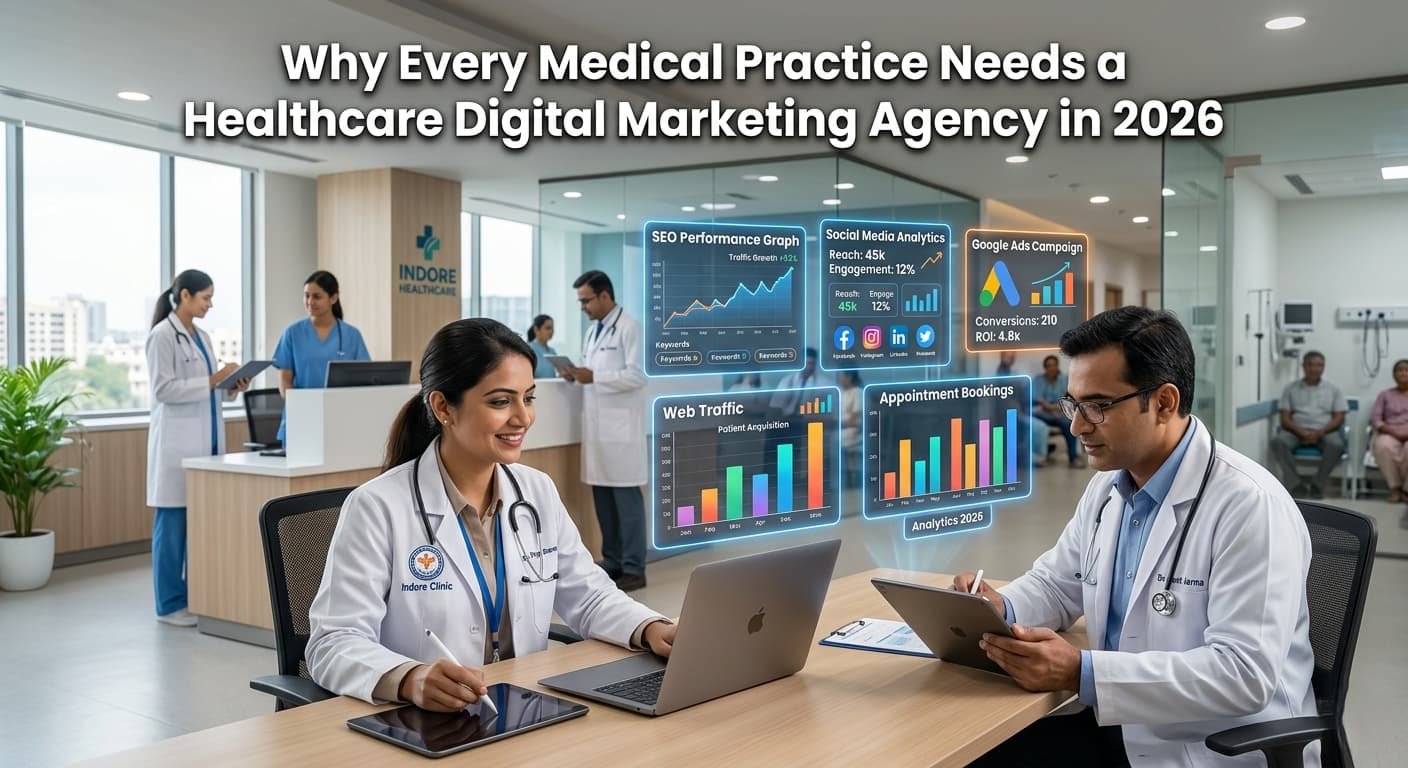
Track campaign performance with tools like Google Analytics, Google Business Profile insights, and social media analytics. Reviewing metrics such as website visits, calls, direction requests, and bookings shows what is working, so you can refine your strategy and spend your budget where it brings results. A Digital Marketing Agency for Healthcare can set up this tracking and share clear monthly reports.
FAQs: Answering Common Questions
1. What is healthcare digital marketing?
Healthcare digital marketing uses online channels such as SEO, Google Business Profile optimization, social media, email, and paid ads to help patients find, trust, and contact a healthcare provider, while following medical advertising and patient-privacy norms.
2. How can a digital marketing agency help doctors?
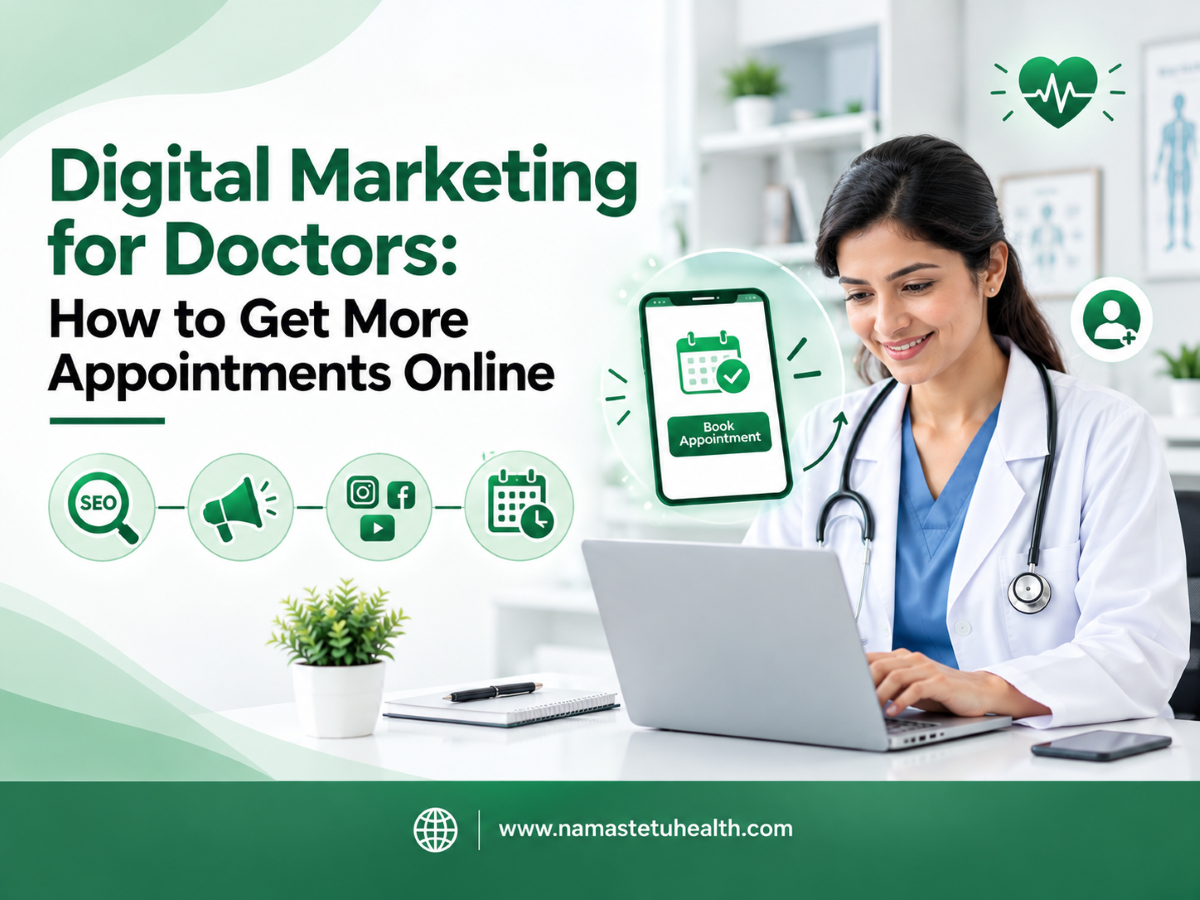
A Digital Marketing Agency for Healthcare builds strategies tailored to your specialty and location. It can improve your search visibility, manage your reviews and Google profile, run targeted ad campaigns, and track how many inquiries turn into appointments.
3. Why is reputation management important?
Patients rely on reviews and ratings when choosing a provider, so a strong online reputation builds trust and influences their decision. Replying professionally to reviews, without sharing private patient details, shows that you value patient feedback.
4. How long does it take to see results from healthcare digital marketing?
It depends on the channel. Paid campaigns such as Google Ads can bring inquiries within days or weeks, while SEO and Google Business Profile optimization usually take a few months to build steady results. Competition, your location, and the quality of your website and reviews also affect how quickly you see growth.
5. How do I choose the right digital marketing agency for my healthcare practice?
Look for an agency with healthcare experience that understands medical advertising and patient-privacy rules. Check their case studies, ask how they track and report results, and make sure they explain their strategy clearly instead of promising guaranteed rankings or instant results.
Conclusion
Patients now judge a practice online long before they walk through its doors. They check your Google rankings, read your reviews, and look at how clearly you share information. This is why more healthcare providers invest in digital marketing: it connects visibility, trust, and patient communication in one measurable system. From healthcare SEO and Google Business Profile optimization to paid ads, email follow-ups, and reputation management, each channel supports the others and helps turn a search into an appointment.
The key is to start with the basics and stay consistent. Keep your profiles accurate, publish helpful and reliable health content, respond to patient feedback, and track which efforts bring real inquiries. Since healthcare marketing also comes with strict rules on medical claims and patient privacy, working with a Digital Marketing Agency for Healthcare can help you grow faster without taking unnecessary risks.
Talk to Namastetu Health for a free consultation and find out how your practice can attract more patients online.